

 EN
EN  ES
ES 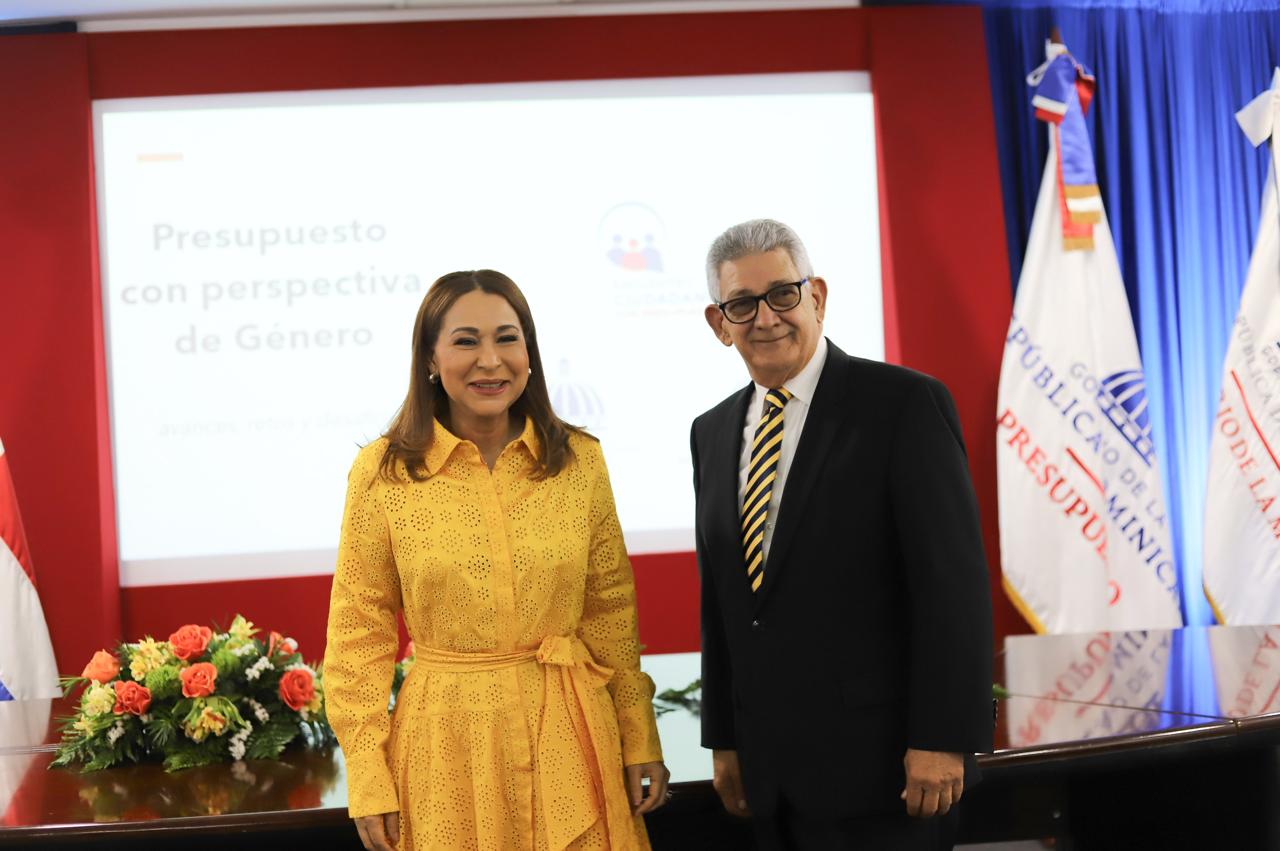
During the meeting, achievements of the Dominican Republic were highlighted, such as the reduction of extreme female poverty from 5.2% to 2.7% from 2020 to 2024, the lowest since records began.
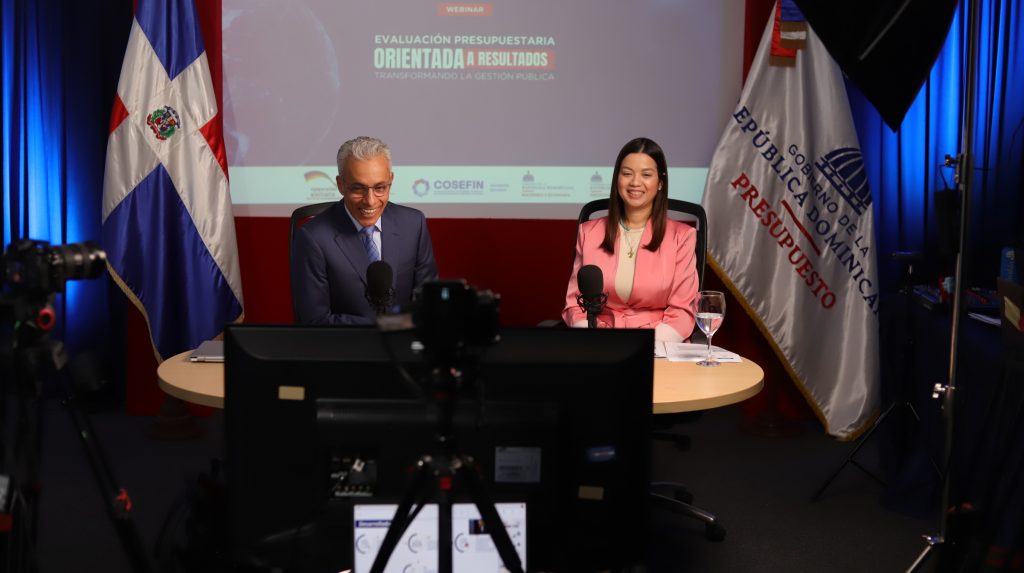
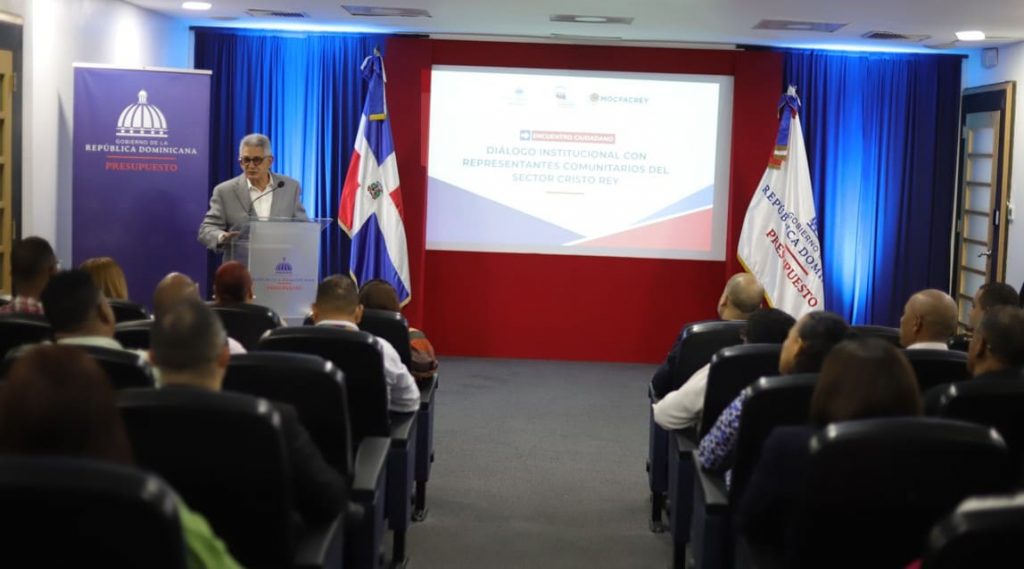
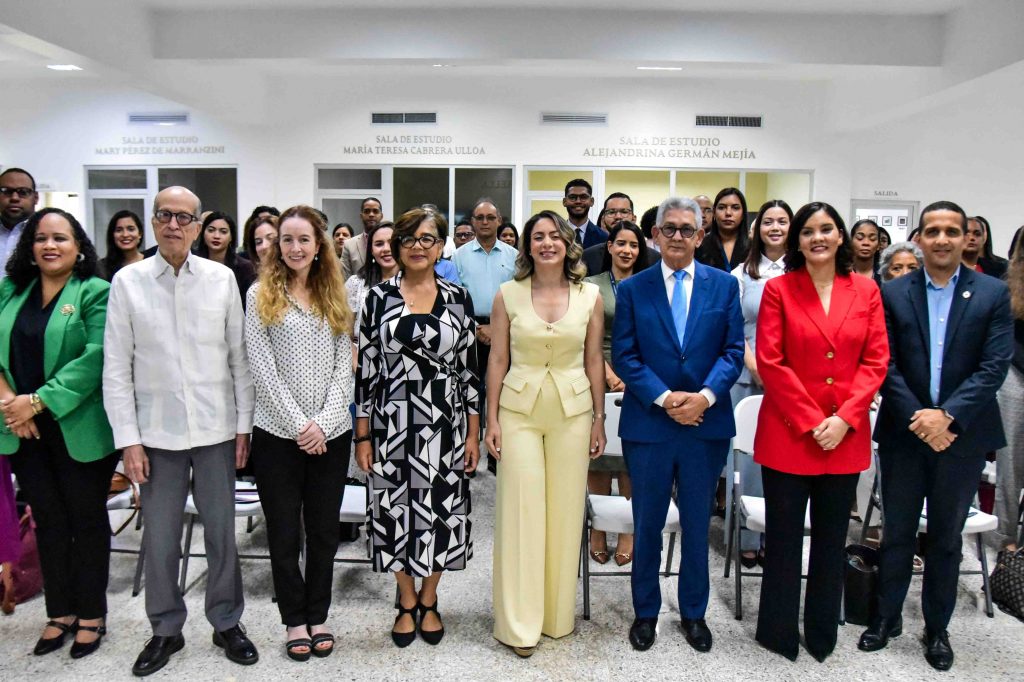
The General Directorate of Budget (DIGEPRES) In coordination with the Ministry of Women, a Citizen Forum was held to share progress, challenges, and opportunities related to gender-responsive budgeting in the Dominican Republic as part of the International Women's Day commemorations. The event also aimed to highlight and make transparent the strategies implemented by President Luis Abinader's administration to achieve gender equality in the allocation of public resources over the past four years.
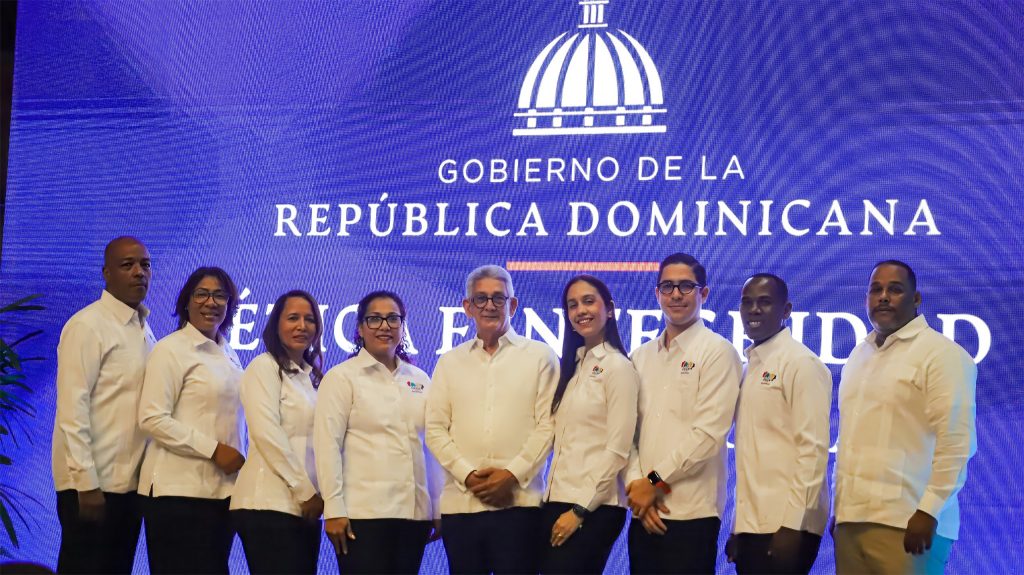
He Citizen Meeting It was led by the Director General of Budget, José Rijo Presbot; the Minister of Women, Mayra Jiménez; Iván Ramírez, Deputy Director General of Budget; Rosa Matos, Director of Mainstreaming for Equality at the Ministry of Women; Odilis Hidalgo, Director of Budgetary Services at Digepres and Rafael Jovine, Director of Economic Studies and Financial Monitoring of Budget.
Rijo Presbot, when he took the floor during the meeting, spoke in general terms about General State Budget She discussed budget ceilings, social spending, and its distribution across services such as education, health, nutrition, social security, social assistance, employment, housing, water, and sanitation, which have a direct impact on people's lives and development. She also highlighted the government's commitment to allocating resources to a gender-sensitive budget.In this sense, gender-responsive budgeting makes it possible to implement government policies that are directed towards gender equality.“,” Rijo Presbot pointed out.

The opening remarks at the event were delivered by the Minister of Women, Mayra Jiménez, who praised the meeting with the organizations and the efficiency with which the Budget Office manages state resources to address the needs of citizens and mainstream the gender perspective.For the Ministry of Women, as the governing body, it is crucial that inter-institutional and sectoral coordination takes place because it is a means of ensuring the mainstreaming of the gender approach in the country's development policies.“Jiménez said during his speech.
Likewise, the official who heads the Ministry of Women highlighted that the gender-focused budget seeks to eliminate disparity and promote the development of women and girls, one of the priorities of President Luis Abinader's government.
The content shared during the Citizen Meeting They were presented by Rosa Matos, Director of Mainstreaming Equality at the Ministry of Women; Juan Portalatín, in charge of Financial Management for Budget Formulation and Execution; and Ana Elizabeth Rodríguez Pérez, Economic Studies Analyst at the Digepres.
Matos, from the Ministry of Women, addressed governance and sectoral coordination in gender equality policies and explained concepts and the role of the Ministry of Women as the governing body on the subject.
Juan Portalatín, for his part, spoke about the evolution of gender-responsive budgeting in the Dominican Republic. In his presentation, he emphasized the importance of statistics and knowledge of gender equality disparities to highlight areas where inequities persist, providing a solid foundation for implementing effective public policies and social actions. He also explained the challenges related to care work, which can have negative consequences for the female workforce.
As part of the interventions, Ana Rodríguez highlighted the progress in the implementation of the gender-focused budget, noting the work carried out since Digepres, The Ministry of Women and the implementing units made transparent the amounts executed by said units between 2023 and 2025.
The activity was held in the Juan Bosch hall of DIGEPRES It included representatives from civil society and governmental organizations. In addition, representatives from more than 10 organizations and unions that defend women's rights were present.
The Dominican Republic has the lowest rate of extreme poverty among women.
In the Dominican Republic's economic sphere, it is worth highlighting the progress made in the last four years in gradually closing the structural gaps that promote gender inequality. According to the 2024 Official Statistics Bulletin on Monetary Poverty in the Dominican Republic (MEPyD)The overall monetary poverty rate for women fell from 32.1% in 2020 to just 20.1% in 2024, and extreme female poverty was reduced from 5.2% to 2.7% in the same period, the lowest since records began.
In 2022, the conceptual model of an Identification and Classification System was developed. public spending In Gender Equity, significant steps were also taken with the incorporation of the gender perspective in the budget cycle, especially in stages 1 and 3.
Finally, the evolution in resource allocation and the improvement in the classification of public spending In gender equality, they demonstrate a growing commitment to reducing gaps and promoting equality in the nation, while acknowledging the challenges that persist in improving the quality of life for women in the Dominican Republic.