

 EN
EN  ES
ES 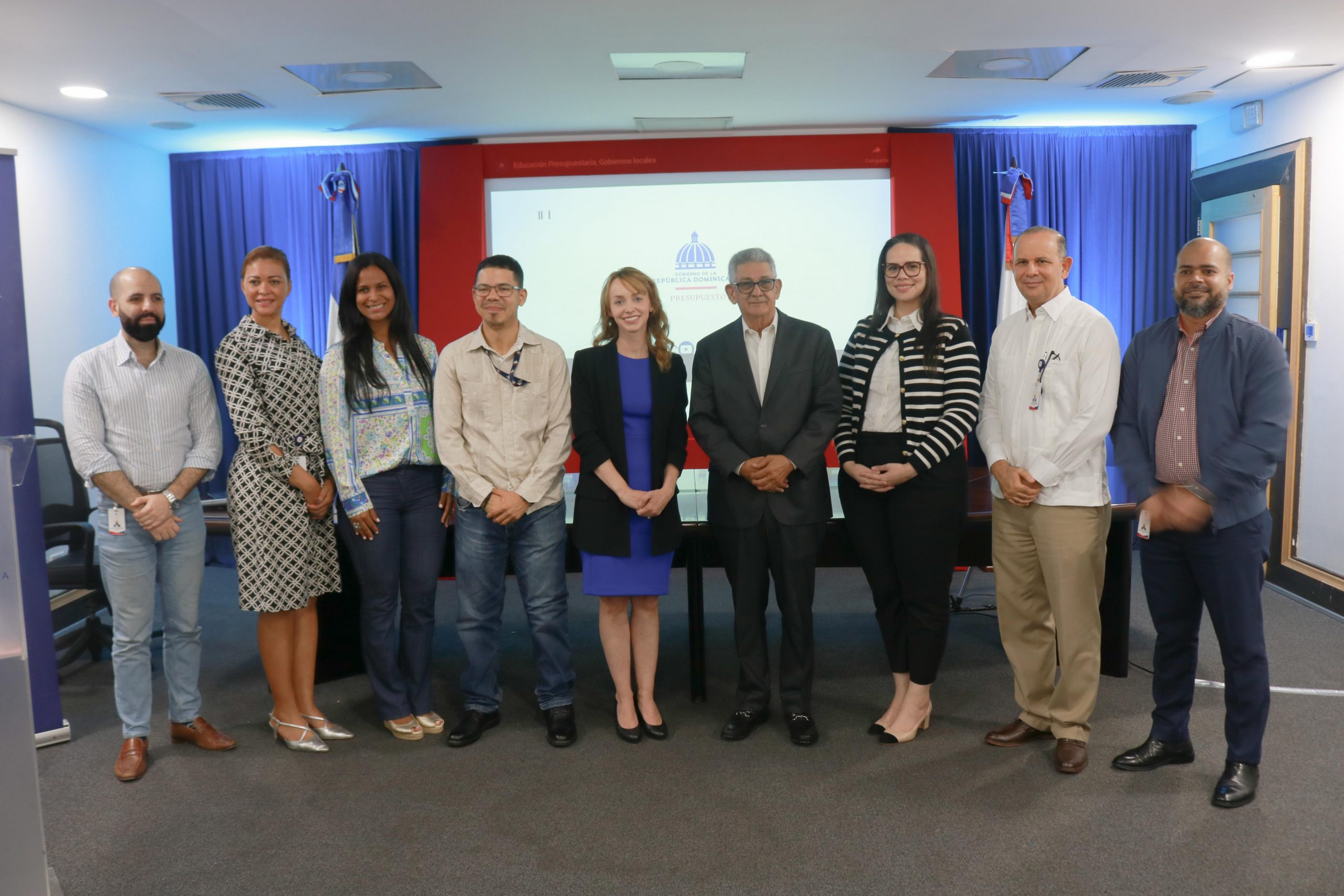
The open-access tool was developed with the support and cooperation of the United States Embassy in the country and seeks to further encourage civic interest in issues concerning central government public spending.
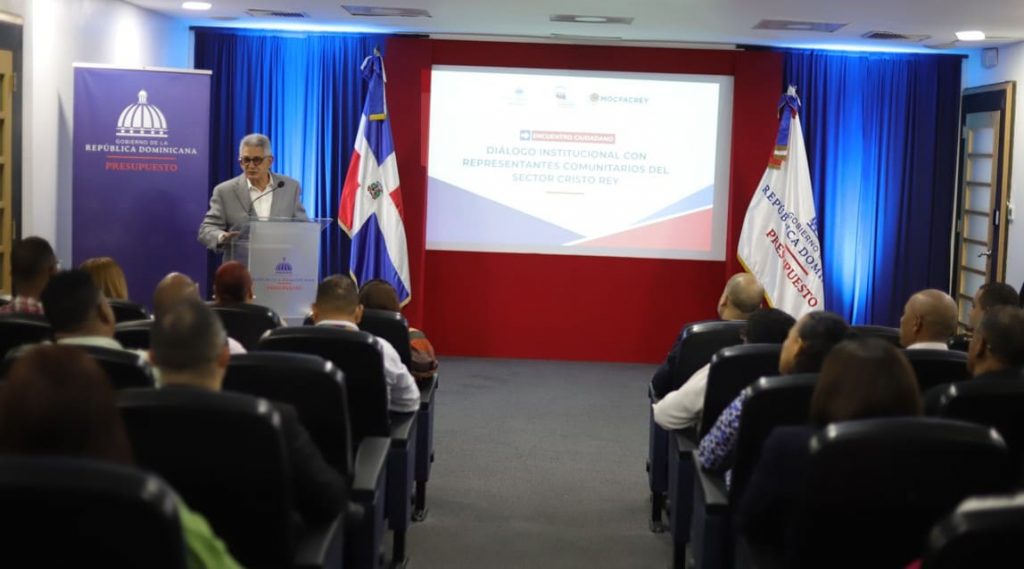
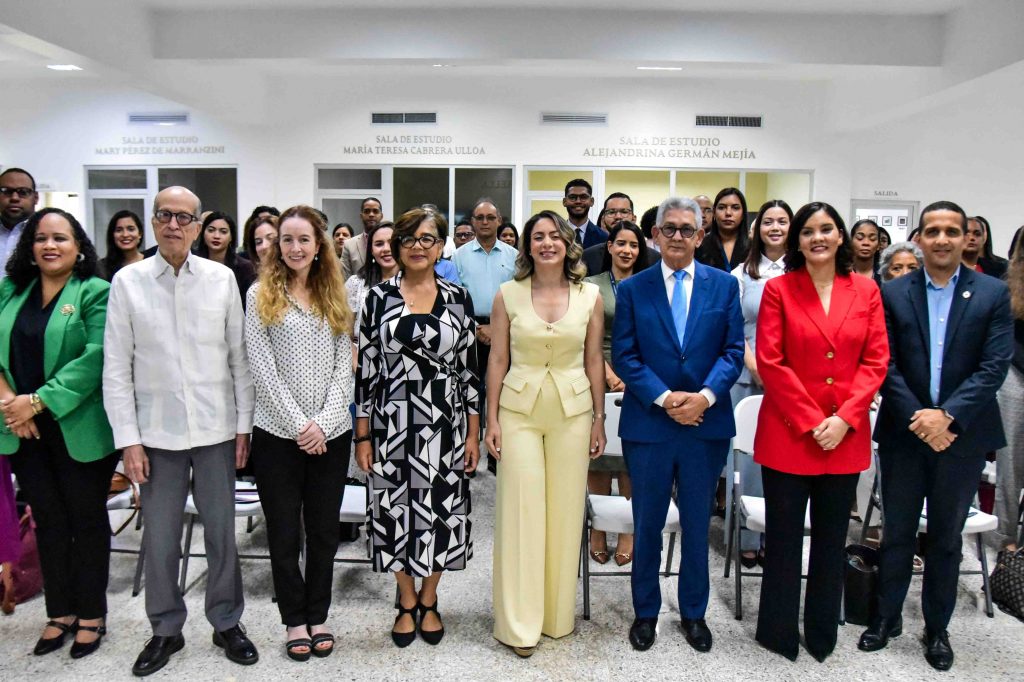
Within the framework of a Citizen Meeting, the General Directorate of Budget (DIGEPRES), and as part of its strategic axis of Transparency and Social Control, under the cooperation of the United States Embassy in Santo Domingo, it made the 2024 Budget Simulator available to the public.
This is an open access tool that seeks to further promote civic interest in issues concerning public spending by the central government of the Dominican Republic and to raise the levels of transparency and social control of the budget cycle.
The tool, which was developed under the technical cooperation of the United States Embassy in Santo Domingo in conjunction with the Budget Office, in its initial prototype presents the fiscal scenario that gave rise to the formulation of Law No. 80-23 of the General State Budget 2024, proposing projections of total income by categories such as taxes, donations and other income, as well as the major sectors to which total spending is directed, according to the functional classification linked to education, debt interest, social protection, health, general administration, energy and fuels.
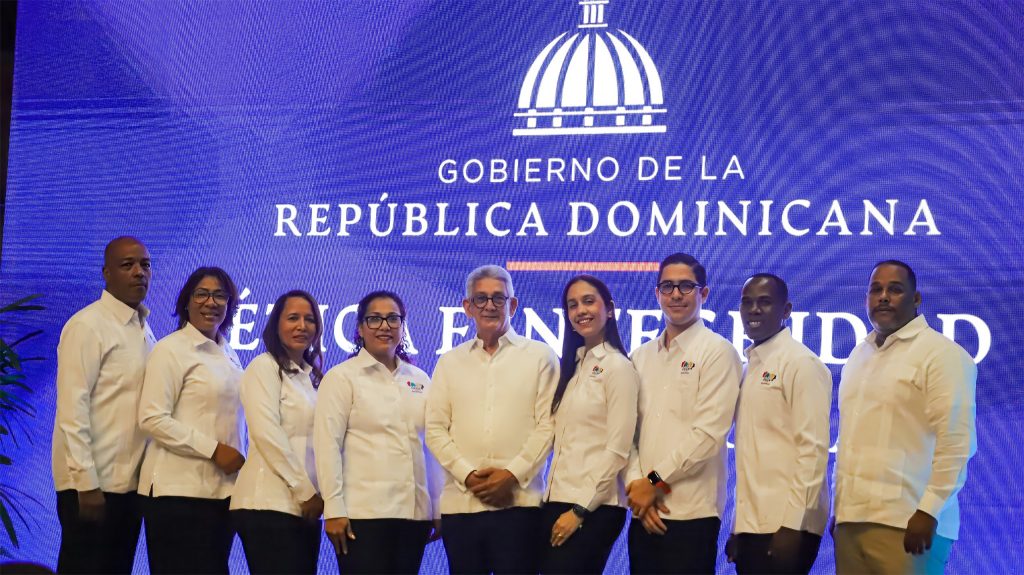
The activity was led by José Rijo Presbot, Director General of Budget; Iván Ramírez, Deputy Director General of Budget; Ariel Jahner, Head of Economics at the United States Embassy and representatives of government institutions.
In his welcoming remarks at the event, Ariel Jahner praised the initiative of Digepres and the commitment made by the United States to support the Dominican Republic in its efforts to combat corruption and increase government transparency for the benefit of its citizens.
“The 2024 Budget Simulator allows citizens to stay informed about how tax revenues are spent and demonstrates the Government's commitment to promoting public spending processes among citizens and civil society organizations so they can participate in building a better society and strengthening democracy,” stated Ariel Jahner in his remarks. He also emphasized that the tool allows Dominicans to make recommendations regarding the use and management of the taxes they pay, which the Government uses to finance public needs.
For his part, Rafael Jovine, director of Economic Studies and Financial Budget Monitoring, explained that the tool allows users to simulate the distribution of income and expenses that best suits their criteria, according to the established margins, enabling them to send their "ideal budget" to the government along with comments and opinions about it.
“At Digepres, we don’t just want to publish documents, but also to promote social participation and strengthen budget transparency,” said Rafael Jovine, explaining the tool’s general features.
At the close of the platform's launch event, the Director General of Budget highlighted the limitations of the current fiscal scenario, where almost 901% of the total tax revenue projected for 2024 is committed to six major categories such as education, debt interest, social policy cabinet and subsidies, public health, central bank recapitalization, and local governments.
“For us, it is important to leverage information and communication technologies (ICTs) to bring the government closer to society, in order to learn firsthand their specific assessments and opinions on current budget policy,” Rijo Presbot emphasized. She also encouraged the academic community, journalists, professional associations, influencers, young people, and civil society to actively participate in the discussion on spending priorities by submitting their proposals and joining the Citizen Forums that she actively organizes. DIGEPRES.
Initiatives that guarantee the right to know
DIGEPRES, within the framework of its commitment to the right to know, adds the Budget Simulator to other initiatives developed such as the Citizen Budget, the Citizen Meetings with Budget, the weekly budget execution reports and the budget infographics; as well as those actions promoted in coordination with the MEPyD, such as the registration of territorial consultations for validation in the citizen demands for the budget formulation, which are incorporated into the RUDCT platform.
This set of initiatives has earned international recognition, placing the country 1st in the continent in social participation in the budget and 3rd in social transparency, according to the 2023 Open Budget Survey of the International Budget Partnership (IBP).
The activity took place in the Juan Bosch Budget Hall, with the participation of directors, division heads and collaborators of Digepres.