

 EN
EN  ES
ES 
The milestones achieved by the current budget management, led by José Rijo Presbot, promote efficiency, transparency, and a significant increase in the levels of social control and citizen participation in the budget cycle.
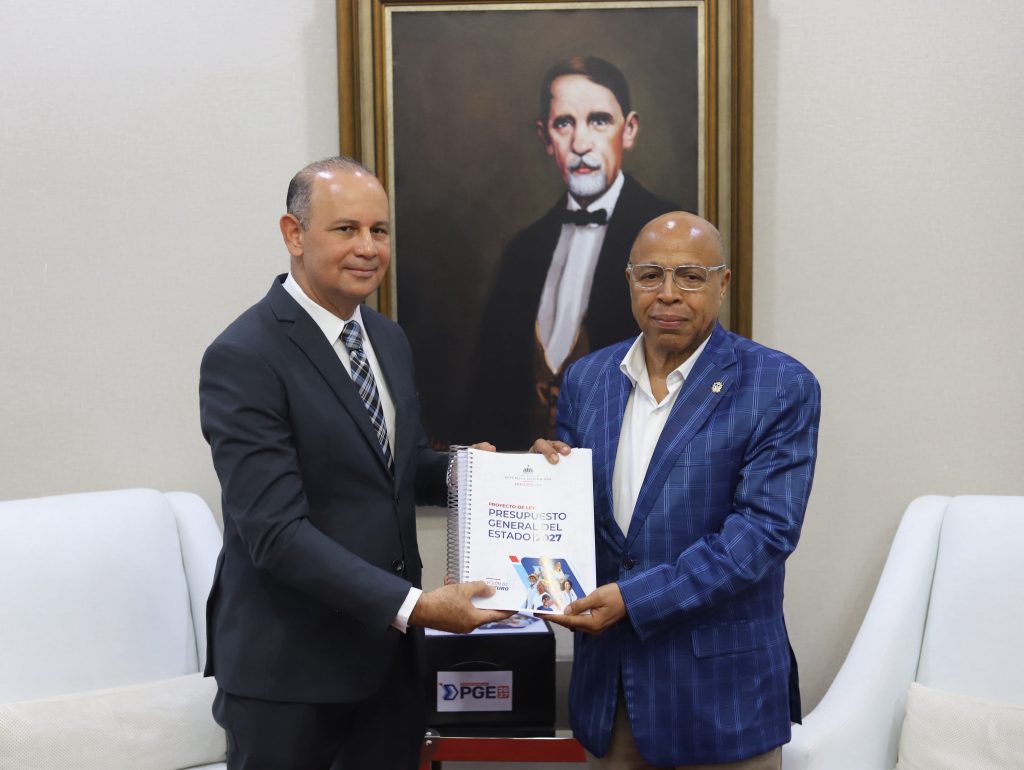
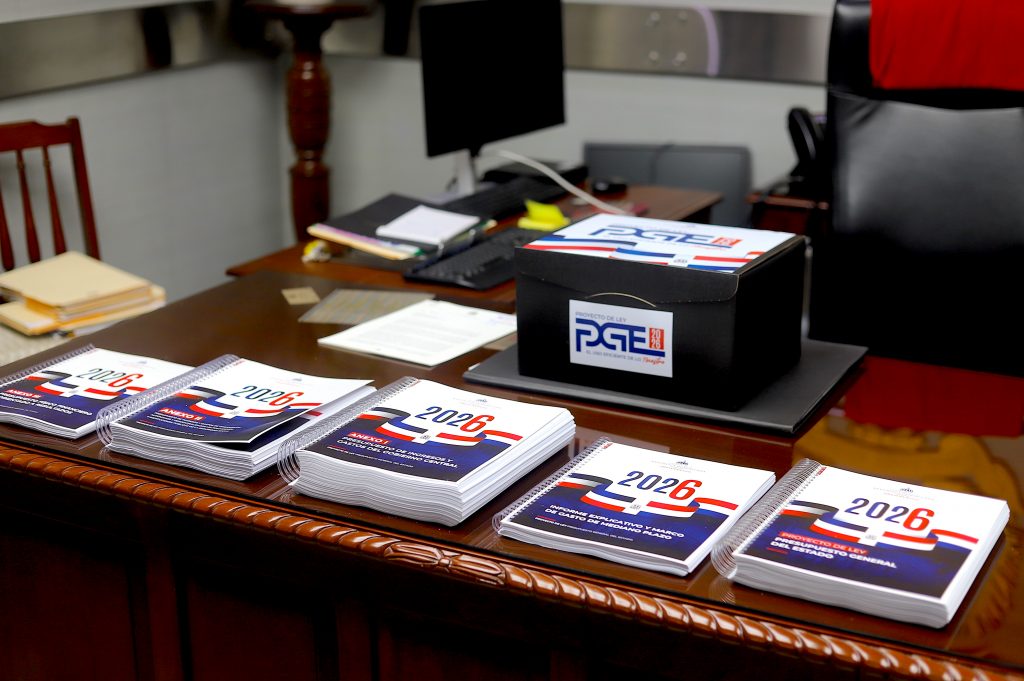
The General Directorate of Budget (Digepres) highlighted the achievements and transformations exhibited in the management from 2020 to the end of 2023. The categories include the institutionalization of the right to know; social control and democratization of the General State Budget; efficiency in the use of public resources; compliance with the budget cycle and innovation in budget reports and statistics.
Among the milestones linked to the institutionalization of the right to know, it is worth noting that, in the 2022 Open Budget Survey, the International Budget Partnership, a leading institution on budget issues, ranks the Dominican Republic with 77 out of 100 points in budget transparency, the third highest in the Americas and the ninth in the world.
Furthermore, in that same vein, the Dominican Republic ranks 17th globally among countries that publish all eight key budget documents. The 2023 Public Spending and Financial Accountability Assessment (PEFA) also indicates improvements in budget documentation compared to 2016.
Likewise, figures and data specific to the social control and democratization of the General State Budget (PGE) show that more than 601% of territorial demands in investment projects have been effectively incorporated into the General State Budget.
Regarding the effort and commitment of this administration to the citizens, concerning the efficient use of public resources, in its Budget report it was reported that the administration from 2020 to 2023, registers a greater proportion of goods and services, linkage with the National Development Strategy (END) to 2030, as well as more investment projects.
Regarding capital expenditure, it indicates that, for the first time in history, it will exceed RD$200,920.6 million, equivalent to 2.7% of GDP, and establishes as an important fact, the prohibition for officials holding positions of payment or the signing of transactional agreements for the recognition of administrative debts, and that currently it went from 25% to only 3% in 2024.
 Historical record and on-time compliance
The same report highlights that, thanks to sustained leadership and technical capabilities, the draft General State Budget was delivered before October 1; the Budget Formulation Calendar was published 6 months in advance; the Consolidated Budget formulation for the public sector was delivered before February 27 of each year; and the budget consolidation of the SPNF execution was achieved six months ahead of historical practice.
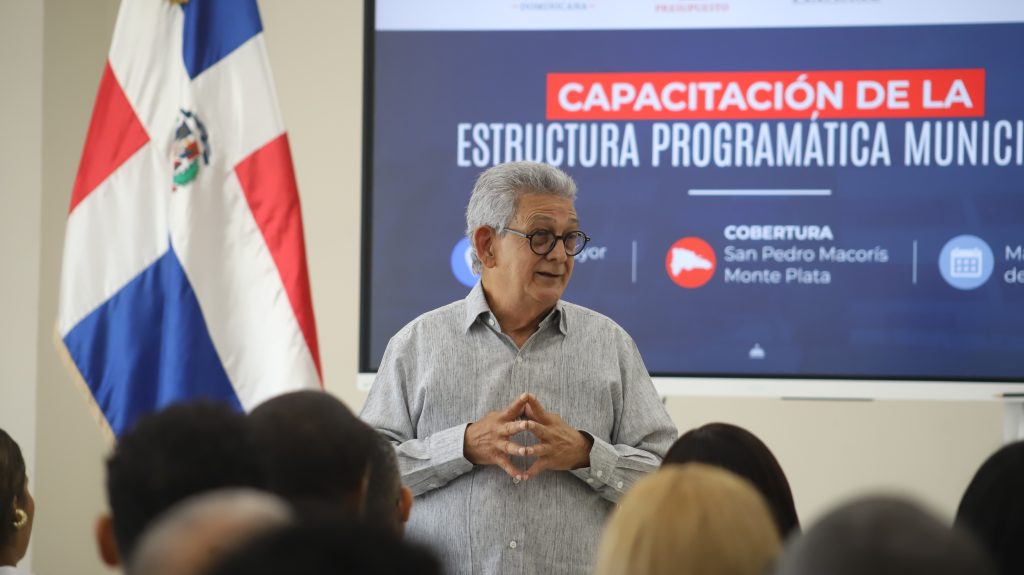
Furthermore, by 2023, 971% of local governments, representing 380 entities, had already formulated and submitted their respective institutional budgets to the Central Government before January 15th, in accordance with regulations. In this regard, the training of 112 local governments for the implementation of a new programmatic structure stands out, among other aspects.
Monthly reports: 30 to 15 days for publication
Regarding innovation-related aspects, the Budget cites the daily aggregated publications of central government income, expenses and financing; reports on expenditure execution by institutional classifier per month; statistics of the National General Government; dynamic reports of budget execution disaggregated to the most basic level, citizen budget, infographics and new thematic classifiers on gender and climate change in line with international practices.
Among these major changes, it is worth noting that monthly Budget Execution Reports from the central government are now published, and the waiting period for publication has been reduced from 30 days to just 15 days. Furthermore, The Tuesday notification, which indicates the availability of a weekly report at a level that allows disaggregation like never before and which, at the end of 2023, had 168 weeks of publications and are still being counted.
The milestones shared by the entity demonstrate the level of transparency, commitment, participation, and control of public resources, which point to economic, social, and political changes in the country.