EN
 ES
For the first time, Digepres conducts an external evaluation of the budget program and includes equity among criteria
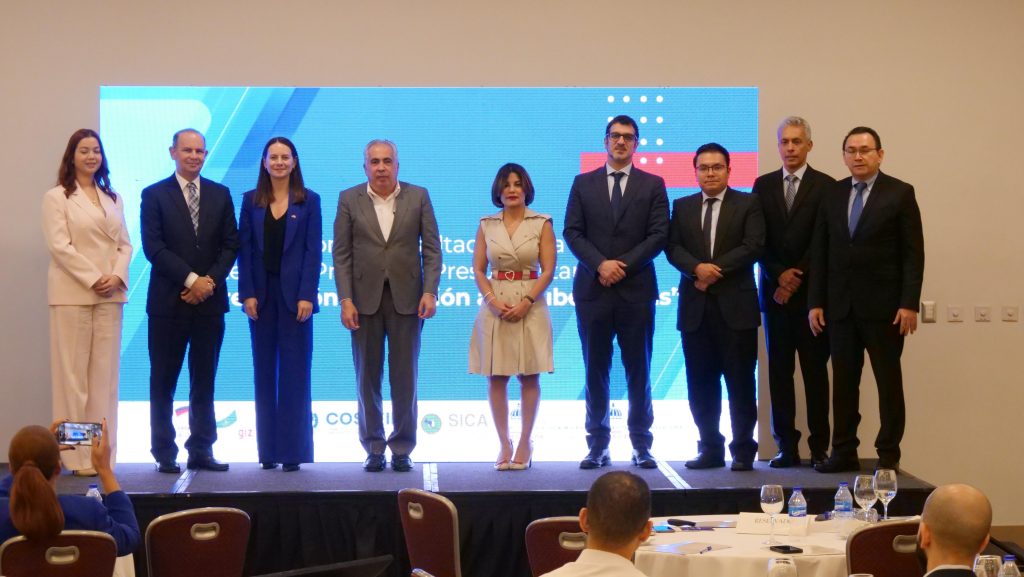
The evaluation of the Results-Oriented Budget Program for Tuberculosis Care and Prevention sets a precedent in budgeting practices, regulations, and the impact of measurements by international organizations. Santo Domingo, Dominican Republic – For the first time, and in a joint effort to improve the efficiency of public spending and maximize social welfare, the Dominican Republic's General Directorate of Budget, the German Development Cooperation, and the Executive Secretariat of the Council of Ministers of Finance of Central America, Panama, and the Dominican Republic (COSEFIN) presented the report on the results of the external evaluation of the Budget Program for Tuberculosis Care and Prevention in the Dominican Republic. The report outlines measures, strengths, and challenges related to the issue. This initiative represents a significant step forward for the Dominican Republic in the evaluation of budget programs, the measurement of public spending efficiency, and contributions to a gender perspective and the needs of vulnerable sectors. The event was led by Iván Ramírez, Deputy Director of the General Directorate of Budget; Janna Krenz, Economic and Cooperation Attaché at the German Embassy in Santo Domingo; Ricardo Elías Melgen, Director of Population Health Management; Rafael Gómez, project consultant; Puja Noshadi, Director of the Good Financial Governance Program at the German Cooperation Agency (GIZ); and Ana Miguelina Terrero, project technical coordinator, were present. Representatives from various government institutions involved in the process also participated. Ms. Janna Krenz, from the German Embassy in Santo Domingo, delivered the welcoming remarks, highlighting the importance of this initiative because it contributes to improving public services and fiscal sustainability. Ms. Krenz took the opportunity to acknowledge Digepres' leadership in promoting efficient public finance management. "We are honored to share the progress and impact of the Evaluation, which also received support from German cooperation," said Ms. Krenz. For his part, Iván Ramírez, Deputy Director of the Budget Office, representing the Director of the Budget Office, José Rijo Presbot, highlighted the milestone marked by the evaluation of budgetary programs. “This first program we evaluated paves the way for others, providing citizens with information on the actual investment of resources and the Government's commitment to ensuring the social well-being of Dominicans,” he stated. Likewise, Ana Miguelina Terrero, from the project's technical coordination team, noted that it sets a precedent in the work of the Budget Office, its regulations, and its influence on high-level measurements by international organizations. Rafael Gómez, a consultant for the project, described the results as satisfactory and emphasized, among other aspects, the fact that, for the first time, this type of evaluation includes the criteria of equity and a gender perspective. The evaluation also focused on the most vulnerable sectors, the social impact and human benefit, and how tuberculosis reduces family income, causes social exclusion, and increases mortality. Finally, Dr. Ricardo Melgen, Director of Population Health Management at the Ministry of Public Health, addressed the attendees, stating that tuberculosis is the second leading infectious cause of death after COVID-19, according to the WHO. The tuberculosis incidence rate in the targeted regions was 38.6% in 2023, and the detection gap was reduced to a record low of 15.6% in 2022. Government institutions such as the National Health Service and the Supérate program also participated in the event. The report is available on the institutional website Digepres.gob.do.
Analysis of budget execution

The analysis of budget execution must always be objective and based on the appropriate use of the data collection tools. Since the beginning of this administration, the General Directorate of Budget (DIGEPRES) has established transparency and social oversight as one of its strategic priorities. This has placed the Dominican Republic first in the Americas and fourth out of 125 countries evaluated in terms of citizen participation in the budget, according to the 2023 Open Budget Survey (OBS) conducted by the International Budget Partnership (IBP). The primary source for budget analysis is DIGEPRES' weekly publication on its website, from which, through the correct use of a pivot table, precise information can be extracted according to the different budget classifications. Thus, to say that: “In April, the Government allocated 1,037 million pesos in “per diems and representation expenses”, averaging almost 35 million pesos daily”, is a misuse of the information provided and of the concept of government, since in that data it is not differentiated between the Executive Branch and the other constitutional bodies of the State, including the Central Electoral Board. Excluding the Central Electoral Board's (JCE) expenditure on "per diems and representation expenses" in the context of presidential, congressional, and municipal elections, which totaled RD$973.6 million from January to April, the Executive Branch's spending on these items amounts to RD$152.8 million in 2024, compared to RD$334.1 million in 2019 and RD$367.1 million in 2020. It is worth noting that during 2019 and 2020, the Ministry of Foreign Affairs alone spent RD$320.3 million and RD$350.9 million, respectively—significantly more than all other ministries combined in 2024. Specifically, in April 2020, the Executive Branch spent RD$93.8 million. millions, in “per diems and representation expenses”, while the amount spent in 2024 reached only RD$38.6 million. Similarly, when it says: “In April 2024, the Government reported having allocated 20,929 million pesos in remuneration, an increase of 2,095 million pesos compared to the monthly average of 2023 (excluding the months of double salary payment, of course)”, the data is again used inaccurately and the classification is incorrect. In sub-account 2.1.1 Remuneration, it is true that the exact increase in the Executive Branch is 2,024 million pesos, but this is because a clear policy has been followed to comply with the 4.1% of GDP allocated to education and improving the salaries of police, defense, and drug and controlled substance prevention personnel at the national level, representing 80.1% of the increase. The "onion salary" no longer exists. The increase in remuneration for the other institutions averaged RD1.1%, which, considering natural inflation between periods, is not significant. Finally, to make fair comparisons between years, it is necessary to deflate the amounts to isolate the effect of price increases between 2024 and previous years such as 2019. Furthermore, it is essential to understand the changes made to budget classifications, in this case, the expenditure category, and administrative decisions that increase transparency in expenditure records, a factor evidenced by the elimination of the use of "scrapbook" accounts. Without considering these elements, any comparison can be misleading. Never before have the Government and the General Directorate of Budget implemented measures to guarantee citizens' right to know and to raise levels of transparency, oversight, and social participation. For example, the information provided by the institution and the tools employed to bring the General State Budget closer to the public than ever before are readily available.
Digepres closes Ethics Week with journalist Altagracia Salazar as an ethical role model
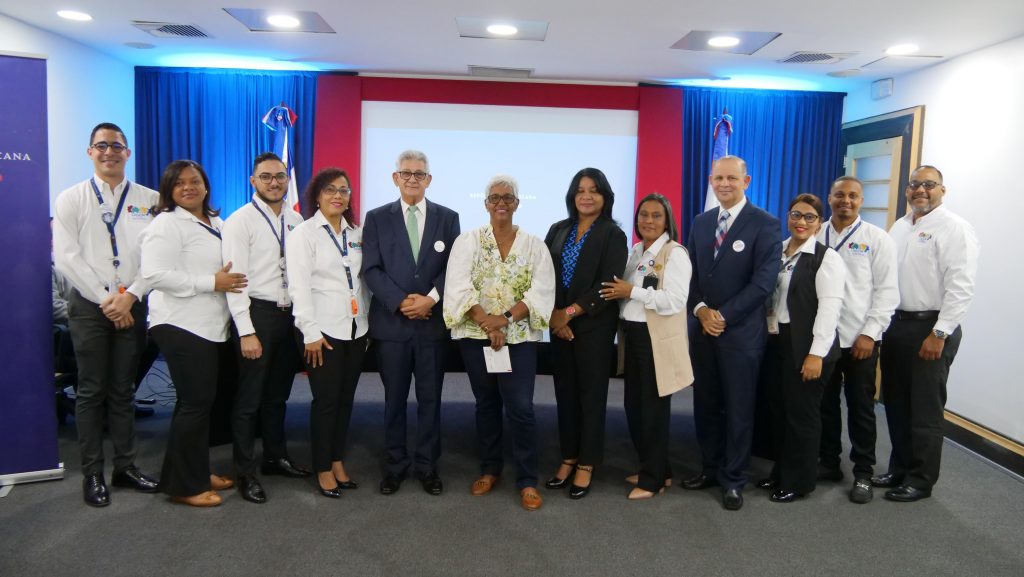
The prominent journalist shared the importance of ethics in regulating moral behavior, both personally and professionally. The General Directorate of Budget (Digepres) concluded "Ethics Week 2024: For a Culture of Integrity" with a meeting featuring renowned journalist Altagracia Salazar, coinciding with National Citizen Ethics Day on April 29. The week-long activities aimed to further promote an ethical culture among Budget Directorate staff. The closing event was led by the Director of the General Directorate of Budget, José Rijo Presbot, accompanied by Deputy Director Ivan Ramírez, Glenny Villanueva, head of the Public Ethics Department of the General Directorate of Ethics and Governmental Integrity (DIGEIG), representing Milagros Ortíz Bosch, as well as department heads, area supervisors, and Budget Directorate staff. The welcoming remarks were delivered by Soribel Medina Lagrange, general coordinator of the Governmental Integrity and Regulatory Compliance Commission (CIGCN) and Governmental Integrity Officer (OIG) of Digepres, who thanked those present for their participation and encouraged them to maintain a firm commitment to ethical values within and outside the institution. In his remarks, Budget Director José Rijo Presbot thanked Altagracia Salazar for her presence, highlighting her as a professional who dignifies journalism and serves as an ethical role model. “Altagracia is a dignified, honest, and hardworking woman, impervious to malice, degradation, irresponsibility, blackmail, bribery, or any of the corrupting influences displayed by some inferior beings who claim to practice ‘journalism,’” Rijo Presbot quoted, referring to an editorial by journalist Fausto Rosario about the reporter. Addressing the audience, Altagracia Salazar explained the situations she faced for practicing journalism ethically, which led her through difficult times. However, she understood that it was the right path if she wanted to practice her profession honestly, transparently, and fairly. “Ethical values never go out of style; the best way to make them visible is through consistency,” she said. “Ethical values make us different and prevent us from being bought,” explained the veteran journalist. Salazar also emphasized that consistency plays a very important role, and that values are not imposed, but rather result from the dedicated effort we put into cultivating them. As part of the closing program, the second episode of the documentary “The Budget in History,” which has six episodes, was released. This episode, titled “Beginnings of the Economy and the Budget in the Dominican Republic,” is an initiative of the Communications Department, contributing to the institutional record of this budget year. During Digepres Ethics Week, the importance of integrity and transparency in government management was promoted both internally and externally within the organization. Special guests and Budget Department staff participated. National Day of Civic Ethics and Institutional Commitment: Every year on April 29, the country celebrates “National Day of Civic Ethics,” and on this memorable day, Ulises Francisco Espaillat, one of the most prominent politicians, is honored. The democratic and honest institutions that the country enjoyed in the 19th century are a symbol of civic integrity and transparency. Digepres, under the leadership of the General Directorate of Ethics and Governmental Integrity (DIGEIG), established its Governmental Integrity and Regulatory Compliance Commission (CIGCN) in compliance with Decree No. 791-21, which declares the implementation and election of Governmental Integrity and Regulatory Compliance Commissions (CIGCN) in all public institutions a high national priority. This marks the first time the Integrity Commission has representatives from all organizational groups, ensuring the participation and commitment of employees at all levels. The event was held in the Juan Bosch Hall at Digepres.
Digepres receives representatives from the French Agency to discuss governance and climate action issues
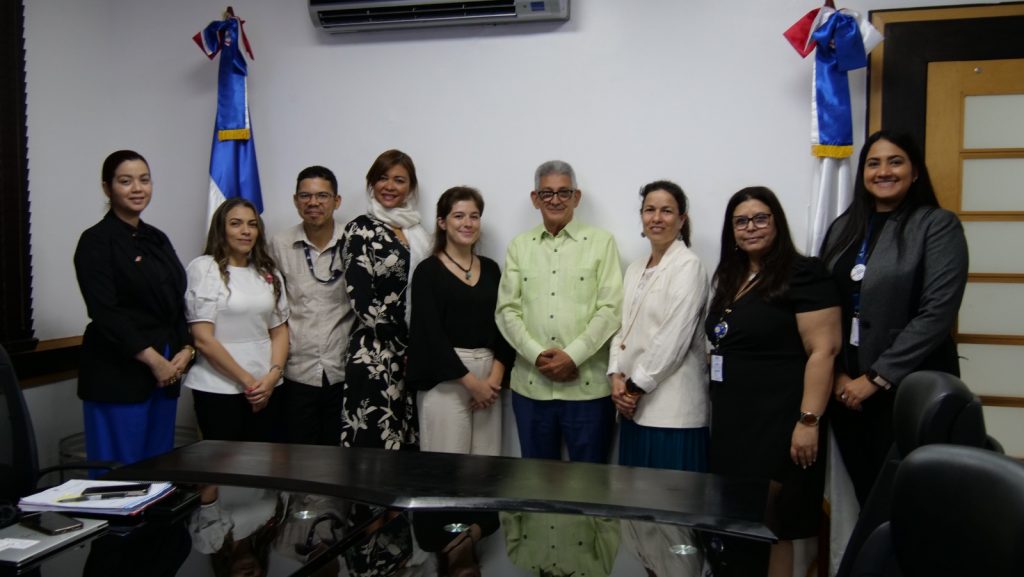
The meeting served to share initiatives and implement future green budgeting and gender mainstreaming actions. The Director of the General Directorate of Budget, José Rijo Presbot, received a mission from the French Development Agency (AFD) in a meeting that laid the groundwork for identifying and evaluating financing and technical cooperation needs for a green budget transition. The meeting also provided an opportunity to address aspects related to gender mainstreaming and progress, needs, and challenges linked to the climate change expenditure classification. The welcoming remarks were delivered by the Director of Budget, who thanked the mission for its visit and emphasized the importance of combating and adapting to climate change. Rijo Presbot was accompanied by Digepres directors, including Odilys Hidalgo, Head of the Budget Services Directorate; Griselda Gómez, Director of the Quality and Evaluation of Budget Management Directorate; Rafael Jovine, Director of Economic Studies; and Paola Chaljub, Head of the Communications Department. Ana Miguelina Terrero, head of the Performance Evaluation department; Jhannet Taveras, head of the Economic Services department; and the AFD mission, comprised of Varinia Tromben, a public finance expert, and Sara Davo Boza, head of energy, climate, and sustainable finance projects, were present. José Rijo Presbot explained to the mission the government's economic actions, outlined the importance and benefits of tax reform, and reiterated that the General Directorate of Budget supports joint climate initiatives. Varinia Tromben, in her presentation, explained the agency's interest in strengthening the dialogue on public policies between the French Development Agency (AFD) and the Budget Office regarding sustainability from various perspectives. She also outlined the mission's intention to forge agreements that will lead to technical assistance and service offerings for implementing the green budget transition and other related issues. "France has extensive experience in international cooperation on green budgeting, and the AFD provides financial and technical support for this topic," Tromben explained. She also listed the cross-cutting themes that the AFD defines to achieve this objective. For his part, Rafael Jovine, in his presentation, explained to the mission aspects and data from the Results-Based Budgeting Network meeting, which focused its agenda on environmental issues through the experiences of participating countries. He also outlined the actions that the Budget Office has been developing on this topic. Meanwhile, Griselda Gómez highlighted the work of the implementing units, the importance of gender mainstreaming to continue contributing to reducing inequality gaps in the country, and the need to strengthen technical capacities to carry out the processes and arguments presented. Regarding the Budget Directorate (Digepres) and environmental actions, it was noted that the Budget Directorate has a Conceptual Model System for Identifying and Classifying Public Spending on Climate Change and Disaster Risk Management and has developed actions to combat climate change in coordination with the Inter-American Development Bank (IDB), as well as sustainable initiatives to raise awareness and sensitivity to environmental issues among its staff. The event took place in the Budget Directorate's office.
Budget Director: “Government maintains strict control over public spending”

De acuerdo con Rijo Presbot, variación interanual del gasto del primer trimestre del 2024 es 6.5 veces inferior a la del igual periodo del 2020 y 41.5 veces inferior a la del 2012. Por primera vez en dos décadas se reduce deuda pública El director general de Presupuesto, José Rijo Presbot, explicó que, en este año se experimentó un superávit de un 0.4%, que aún se mantiene, considerándolo como un indicador de salud financiera del país, que significa, que el Gobierno recaudó más dinero del gastado, en un hecho registrado por última vez en 1994. El director de Presupuesto durante una entrevista en el programa “El Despertador”, transmitido a través de Color Visión y conducido por Ana Mitila Lora, Esteban Delgado y Rosa Encarnación, expresó que la gestión del presidente Luis Abinader se caracteriza por un buen manejo de las finanzas públicas y sólido crecimiento económico, a pesar de que se instaló en medio de un mundo cerrado. Indicó Rijo Presbot que, el Gobierno realiza encomiables esfuerzos para eficientizar el gasto público y reorientarlo hacia más y mejores servicios de calidad para la ciudadanía. En su intervención en el programa matinal, Rijo Presbot explicó en materia de subsidio que, esta gerencia, ha destinado en lo que va de año RD$6,500 millones a los carburantes, para frenar el alza debido a las guerras entre Rusia y Ucrania e Israel y Hamas, y con ello evitar elevar el costo de la vida de los ciudadanos en el país. “Por ese subsidio a los carburantes, hoy manejamos una inflación de un 3.6% a un 3.7%, en este primer trimestre del año”, aseguró el director de Presupuesto. Rijo Presbot, hizo referencia a otros subsidios sociales a los que se destinan partidas específicas en el presupuesto nacional de cada año, para mejorar la calidad de vida de las familias más vulnerables. En tanto, señaló otros esfuerzos realizados por esta gestión, para dignificar la vida de la gente. Tras ofrecer detalles que demuestran la mejora en la calidad del gasto público del Estado dominicano dijo que, en cuanto a asignación de viáticos, que siempre han sido ampliamente criticados por algunos sectores, hubo una reducción. “Hay un control absoluto en representación de viáticos en este gobierno. Todo funcionario debe dar cuentas de cómo lo gastó y, si no tiene la factura que comprueben ese gasto, debe devolver el dinero”, destacó el director de Presupuesto. Con relación al Gobierno y los aumentos salariales, destacó los aplicados a los miembros de la Policía Nacional; conscriptos y rasos, que ahora es de RD$29,025.07 más los incentivos; un 30% a sueldos del personal de salud y el incremento salarial que favoreció a maestros jubilados y pensionados, un impacto significativo para dichos sectores. Gobierno registra el menor gasto público en año electoral Rijo Presbot, afirmó que, en este año electoral, el Gobierno del presidente Luis Abinader gasta solo el dinero presupuestado y que, además, se ejerce el gasto bajo el control y cumplimiento estricto de las normas, porque la prioridad de esta administración es la solución de los problemas fundamentales de la nación dominicana, lo que no sucedía en otras gestiones anteriores. “Ahora no hay autorización para malgastar recursos públicos en la campaña electoral”, estableció Rijo Presbot en su intervención en el programa matutino. En ese sentido, Rijo Presbot explicó que por primera vez en los últimos siete años electorales se ha registrado el menor gasto primario por parte del Gobierno, lo que refleja el control en el uso de los recursos del Estado. De acuerdo con Rijo, la variación interanual del gasto del primer trimestre del 2024 es 6.5 veces inferior a la del igual periodo del 2020 y 41.5 veces inferior a la del año 2012. “El 2012 fue el año del mayor desborde del gasto público del cual se guarde registro en las últimas décadas”, apuntó el director de Presupuesto. En cuanto a remuneraciones y contribuciones, se pasó de 1.12% a 0.98% del PIB; contratación de servicios, de 0.33% a 0.26%; materiales y suministros, de 0.22% a 0.10%; bienes muebles, inmuebles e intangibles, del 0.13% a 0.04% y obras del 0.33% a 0.18%. De igual forma, Rijo Presbot destacó que el 2024 se proyecta como el primer año electoral de las últimas dos décadas en el cual la deuda pública se reduce interanualmente con relación al PIB.
Digepres and MEPyD coordinate process to understand provincial demands with a view to the 2025 General State Budget
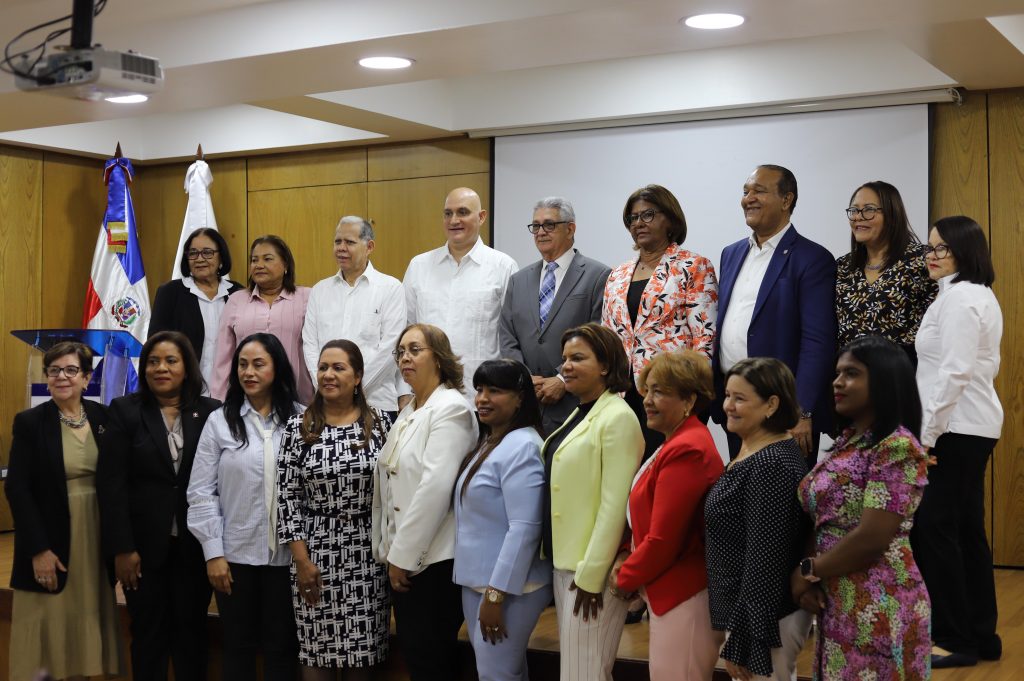
The activity provided guidance and highlighted the importance of local governments for the development and well-being of residents and the community. Representatives from the General Directorate of Budget participated in a meeting with Provincial Governors to coordinate the process of gathering citizen demands for the 2025 Budget, in an event organized by the Ministry of Economy, Planning and Development (MEPyD). The meeting also provided guidance and highlighted the importance of local governments for the development and well-being of residents and the community. The event was led by the Minister of Economy, Planning and Development (MEPyD), Pável Isa Contreras; José Rijo Presbot, Director of the General Directorate of Budget (Digepres); accompanied by the Vice Ministers Domingo Matías, of Territorial Planning and Regional Development (VIOTDR); Horacio Medrano, Head of Development Plans at the MEPyD; and Leomary Liriano, Head of the Planning Coordination Department. The welcoming remarks were delivered by the Minister of Economy, Planning and Development (MEPyD), Pável Isa Contreras, who, in thanking those present, emphasized that improving people's quality of life is the objective of public policies. "Having quality policies implies two things: planning and good resource management, territorializing the plan, establishing indicators, and coordinating actions," highlighted Pável Isa Contreras. For his part, José Rijo Presbot, in his address, pointed out the importance of the Geographic Classifier for identifying economic investments and types of public policies in a province or community, and also the responsibility of the regional governments to streamline the collection of this data. "The regional governments have the responsibility to unify information at the local level, through a sectoral cabinet in the communities, to have a single profile of the public policy implemented in the territory," emphasized Rijo Presbot. He also highlighted the projects the government has been carrying out in communities to improve people's lives, indicating that consultation and social participation are essential to minimize the possibility of errors when designing these projects or prioritizing them. Domingo Matías, from VIOTDR, stated that the current administration's program centers on citizen power, which should be the core of every state institution's actions. The program revolved around topics such as the presentation of the process for gathering territorial citizen demands as a mechanism of the Single Registry of Territorial Citizen Demands (RUDCT) system, the current state of management and the sectoral response to territorial demands, social oversight of the 2025 General State Budget (PGE) calendar, and changes in the programmatic structure, including transfers to provincial governments—the latter presented by Rafael Jovine, Director of Economic Studies at Digepres. Citizen Participation and the Budget Cycle: It is worth noting that the Budget Office has been implementing coordinated actions to strengthen and promote the transformation of local governments, aiming for more transparent and efficient budget execution in municipalities and fostering citizen participation in the budget cycle. The meeting with Provincial Governors to coordinate the process of gathering citizen demands for the 2025 budget was held in the Ascuasiati Room of the Ministry of Economy, Planning and Development (MEPyD), with the participation and representation of governors from various provinces across the country.
For the fourth consecutive year, Digepres delivers the Consolidated Budget Report and achieves historic coverage of 97% of institutions
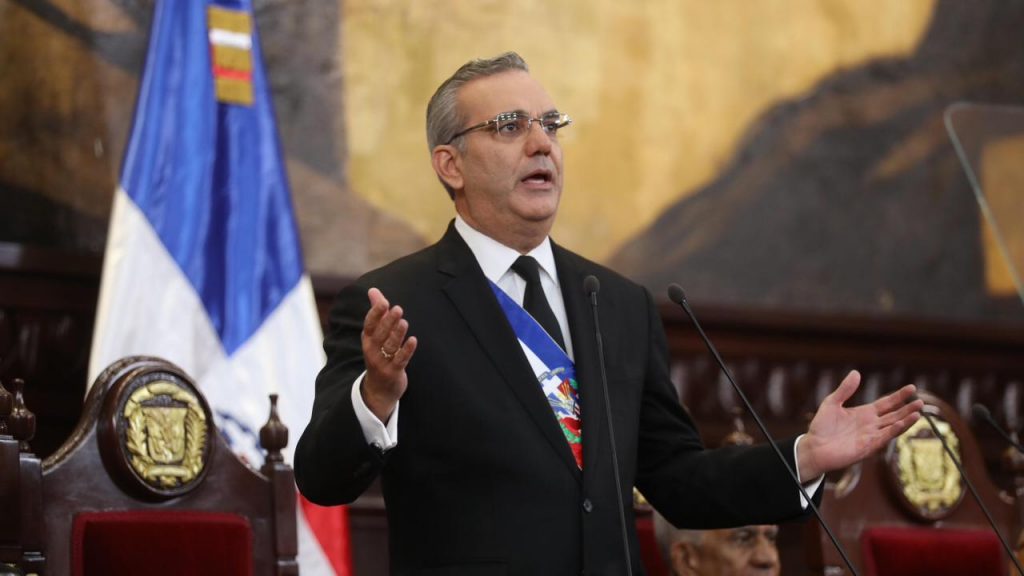
The document demonstrates results, full compliance, effort, efficiency, transparency, and accountability on the part of management and the Government. For the first time, the Report also covers public financial entities. In accordance with the mandate and deadline established by Organic Budget Law No. 423-06, and for the fourth consecutive year, the General Directorate of Budget (DIGEPRES) delivered the 2024 Consolidated Budget Report for the Non-Financial Public Sector to the President of the Republic, Luis Abinader, and the National Congress for presentation to the Congress of the Republic on Monday, February 26. The document outlines the initial budgetary position of each area comprising the public sector, the result of a meticulous planning process aimed at optimizing the efficiency of public resource use and the consolidated budgetary variables by economic, functional, institutional, geographic, and expenditure classifications. The presentation of the report demonstrates results, full compliance, effort, efficiency, transparency, and accountability on the part of management and the government. The 2024 Consolidated Budget Report for the Non-Financial Public Sector was submitted to the President of the Republic, as required by law, to be delivered to the Congress of the Republic before the accountability session on Tuesday, February 27. It was also delivered to the Legislative Branch through the Senate and the Chamber of Deputies. It is worth noting that, in 2024, for the first time, according to the document, Article 74 of Organic Budget Law No. 423-06 was fully complied with by incorporating the budgets of public financial entities into the consolidation process. This means that the report does not only cover the non-financial public sector (NFPS) as in previous editions. Another aspect highlighted in the report is that, with the inclusion of public financial institutions, institutional coverage reaches 971% of existing institutions. Comparatively, last year's report included 492 institutions, while this year's includes 509. The report's budget indicates that consolidated public sector spending will reach RD$1,811,395.9 million in 2024, while revenues are estimated at RD$1,612,824.3 million. Regarding the approach to the difference between revenues and expenditures, it concludes by indicating a financial deficit of RD$198,571.6 million, or 2.71% of GDP. With respect to budgeted public spending, it is worth noting that the consolidation raises capital expenditure to RD$263,807.2 million, or 3.61% of GDP, of which RD$105,367.0 million (1.41% of GDP) will be allocated to public investment projects. The aforementioned capital expenditure increases by RD$$53,324.5 million or 25.3% in relation to the consolidation of the National General Government, previously indicated in Law No. 80-23 of the 2024 General State Budget. Likewise, public investment will be focused mainly on Santo Domingo with RD$$39,389.5 million (37.4% of the total); Multiprovincial with RD$$8,543.5 million (8.1%); Santiago with RD$$7,680.5 million (7.3%); National District with RD$$7,338.3 million (7.0%); Montecristi with RD$$3,829.3 million (3.6%). Constant Accountability and Adherence to the Law. Regarding methodology, the Consolidated Budget Report for the Non-Financial Public Sector is based on the 2014 Government Finance Statistics Manual of the International Monetary Fund (IMF) and international best practices from countries in the region in terms of consolidating budget statistics. Organic Budget Law for the Public Sector No. 423-06, of November 17, 2006, establishes that the General Directorate of Budget (DIGEPRES) and the President of the Republic must submit this report to the President of Congress for informational purposes before February 27 of each year, when the President is expected to deliver their State of the Nation Address to the National Congress. The Consolidated Budget Report for the Non-Financial Public Sector is available for reading and consultation on the institutional website www.Digepres.gob.do.
Budget Director highlights the Government's rigorous monitoring of budget execution

Rijo Presbot resaltó el interés del Gobierno de que las unidades ejecutoras manejen con eficiencia y transparencia de los recursos públicos. El director general de Presupuesto, José Rijo Presbot, apuntó que desde el Gobierno del presidente Luis Abinader se da seguimiento riguroso y permanente al cumplimiento de la ejecución presupuestaria para garantizar que sea eficaz, eficiente y transparente en beneficio del desarrollo económico y social de la gente. Durante una entrevista en el programa “Politikal”, transmitido por KQ 94.5 F.M, el director de Presupuesto indicó que dentro de los objetivos primarios en materia presupuestaria está el compromiso con el derecho a la salud y la educación pública de calidad. “Hay un esfuerzo permanente desde el gobierno del presidente Luis Abinader de una mayor inversión en salud, para garantizar ese derecho”, dijo Rijo Presbot. En relación con el sistema educativo consideró que debe ser transformado y eliminar la forma cómo este se desarrolla y aplica en la actualidad. “La educación en la República Dominicana está basada en un formato carcelario porque los muchachos están en trincheras, celdas y son numerados”, dijo el director de Presupuesto en su intervención. Rijo Presbot en líneas generales explicó el panorama y distribución del Presupuesto General del Estado para el año 2024, que, según las declaraciones del director de Presupuesto, el 94% está comprometido con el sector educación, intereses de la deuda, los subsidios a los combustibles, sector energético, social y recapitalización del Banco Central, entre otros rubros. Rijo Presbot concluyó su participación en el programa conducido por Angely Moreno, Hansel García, Jorge Feliz Pacheco, Máximo Romero y Eliseo Almanzar con aspectos vinculados a los supuestos macroeconómicos como el crecimiento del PIB, inflación, tipo de cambio, entre otras variables para el año próximo. Presupuesto General del Estado 2024 Se recuerda que el Senado convirtió en Ley el proyecto de Presupuesto General del Estado para el 2024. Con la aprobación del Senado, el Poder Ejecutivo está listo para promulgar la Ley de Presupuesto General del Estado y utilizar los fondos consignados en el proyecto, principal instrumento de planificación financiera para hacer frente a las necesidades de la población.
Digepres conducts workshop on online implementation guidelines for local governments
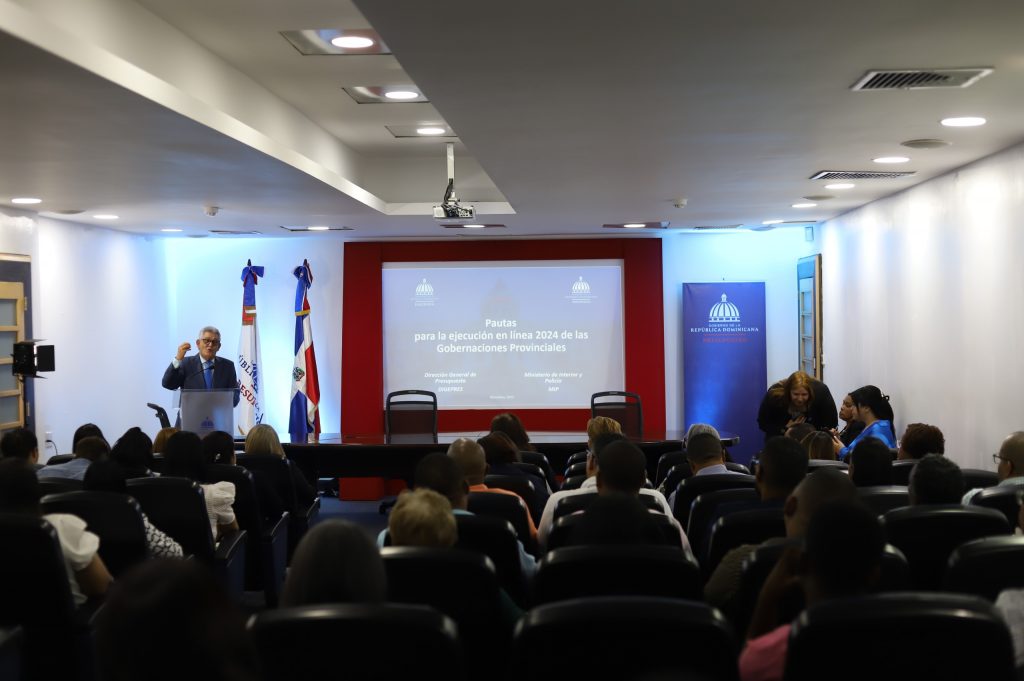
The activity aimed to highlight the importance, protocols, and tools for online budgeting by provincial governments to improve their accountability. The General Directorate of Budget, through its General Services department, conducted the workshop "Guidelines for Online Budget Execution 2024 for Provincial Governments," with the objective of promoting protocols and tools for executing budget procedures online. The meeting also served to present the protocol for the new resource allocation method for these public institutions. The activity was led by José Rijo Presbot, Director of the General Directorate of Budget, and Ángela Altagracia Jáquez Rodríguez, Vice Minister of the Vice Ministry of Preventive Security in Provincial Governments. Also present were Odilys Hidalgo, Head of the Budget Services Directorate; Lidia Castillo, Head of the General Budget Services Department; and Altagracia Polanco, from the Directorate of Management of the Integrated Financial Administration System of the State (DIGES). Noemí Paulino and Ohermi de la Cruz from the National Treasury; and Yaskarina Arias and Juan Villa from the Comptroller General's Office. The welcoming remarks were delivered by José Rijo Presbot, who thanked those present for their participation and explained President Luis Abinader's directive that all implementing units must make their resources transparent through the Financial Management Information System (SIGEF). “Online implementation is a priority for this administration because it allows public institutions to plan, formulate, and evaluate how resources are being used, thus improving their accountability. In our government, transparency is not optional; we must be transparent,” Rijo Presbot told the workshop participants. Along these lines, Rijo Presbot indicated that they also seek to ensure that the resources received by local governments are monitored and properly distributed, and that they undergo a process of decentralization and deconcentration so that specific programs are implemented at the provincial level rather than centrally. For her part, Ángela Altagracia Jáquez Rodríguez, Vice Minister of the Vice Ministry of Preventive Security in Provincial Governments, spoke about the importance of provincial governments due to their close connection with citizens. “These entities must be strengthened, demonstrating their ability to manage online and adapt to the new needs of the government,” Jáquez emphasized. Lidia Castillo, head of the General Services Department of the Budget Office, who was part of the event's coordination team, encouraged participants to become familiar with the topic and thanked the Ministry of the Interior and Police for its support in this educational process. The activity was held in the Juan Bosch Room of the Budget Office with the participation of 73 public servants from 31 Provincial Government Offices, as well as Budget Office staff such as María Victoria Ortiz, head of the Standards and Methodologies Department; Patricia Perdomo, head of the Ministry of Defense Division; Violeta Hernández, from the Ministry of the Interior and Police; and Budget Analysts Gilma Ogando Lewis Rosa and Liomar Jon. Multi-Year Results-Oriented Budget Project with Dynamic Modality It is recalled that the General Directorate of Budget presented to various authorities the main characteristics and attributes of the new Multi-Year Results-Oriented Budget Project with Dynamic Modality, as part of the actions that promote strengthening the efficiency and quality in the management of public resources through the elaboration of a conceptual, functional model and the technological development for the new Dominican budgetary system, incorporating multi-yearity and dynamic attributes throughout the budget cycle.
Digepres presents to the IDB the Multi-Year Results-Oriented Budget project with a Dynamic Modality

El proyecto busca la creación de un modelo conceptual y funcional para el nuevo sistema presupuestario dominicano en el que trabaja la Digepres junto al Ministerio de Hacienda En el contexto del Proyecto Presupuesto Plurianual Orientado a Resultados con Modalidad Dinámica, la Dirección General de Presupuesto (Digepres), en coordinación con el Ministerio de Hacienda y el Banco Interamericano de Desarrollo (BID), realizaron el “Taller de acuerdos técnicos para el modelo conceptual de Programación, Ejecución y Seguimiento y Evaluación presupuestaria”, para validar, consensuar y destacar hallazgos de la iniciativa. El taller, además, buscó socializar entre los involucrados las principales características y atributos del nuevo sistema de presupuesto en el que trabajan Digepres y el Ministerio de Hacienda. El acto de apertura estuvo encabezado por Iván Ramírez, subdirector general de Presupuesto; Griselda Gómez, directora de Calidad y Evaluación del Gasto Público de Presupuesto y Ariel Teodoro Zaltsman, especialista líder en Gestión Fiscal del Banco Interamericano de Desarrollo. El subdirector de Presupuesto, Iván Ramírez, luego de dar la bienvenida a la actividad destacó que el resultado del proceso es producto del esfuerzo conjunto de las instituciones involucradas para optimizar la herramienta. “La idea es aprobar el modelo conceptual de este proyecto para pasar al funcional, que no es más que un paso previo para desarrollar el nuevo sistema”, apuntó Ramírez en su intervención. De su lado, Griselda Gomez, quien condujo la actividad, ponderó positivamente el taller y explicó en términos generales el propósito y programación presupuestaria del nuevo sistema. “Al final queremos lograr un modelo conceptual para el nuevo sistema presupuestario dominicano con el propósito de contribuir a la eficiencia, eficacia y la calidad en la gestión de los recursos públicos, así como la mejora en los procesos vinculados”, indicó la directora de Calidad y Evaluación del Gasto Público de Presupuesto. El enfoque de la socialización, además, estuvo centrado en aspectos vinculados a la descripción del modelo y los procesos correspondientes al Gobierno general nacional; vinculación de la planificación y el presupuesto; mejoras significativas a destacar; proyección plurianual de ingresos y fuentes financieras, entre otros temas relevantes. En las sesiones de trabajo a lo largo del taller, los participantes debatieron sobre las experiencias y hallazgos dentro del proceso. En el encuentro participaron técnicos de Digepres, Tesorería Nacional, Dirección General de Contabilidad Gubernamental (DIGECOG), Contraloría General de la República, Dirección General de Compras y Contrataciones, Ministerio de Administración Pública (MAP), Ministerio de Economía, Planificación y Desarrollo (MEPyD), Dirección de Gestión del SIAFE (DIGES) y Dirección General de Política y Legislación Tributaria. La actividad fue realizada en el salón de reuniones de Banco Interamericano de Desarrollo (BID). Sobre el proyecto El Proyecto Presupuesto Plurianual Orientado a Resultados con Modalidad Dinámica derivará en el desarrollo del sistema informático para la gestión del presupuesto con eficacia, eficiencia y la calidad en la gestión de los recursos públicos, así como la mejora en los procesos vinculados basado en un modelo conceptual y funcional de todos los procesos presupuestarios. Este proyecto plantea la implementación de un nuevo sistema que permitirá ejecutar y dar seguimiento al Presupuesto con mejoras al sistema y la planificación plurianual de las partidas presupuestarias con sus respectivas metas y resultados esperados. Digepres, con el apoyo tanto del BID como del Ministerio de Hacienda, lleva el liderazgo en el diseño e implementación a futuro del nuevo sistema.