EN
 ES
DIGEPRES shares budgeting tools within the framework of the Open Government action plan 2024-2028
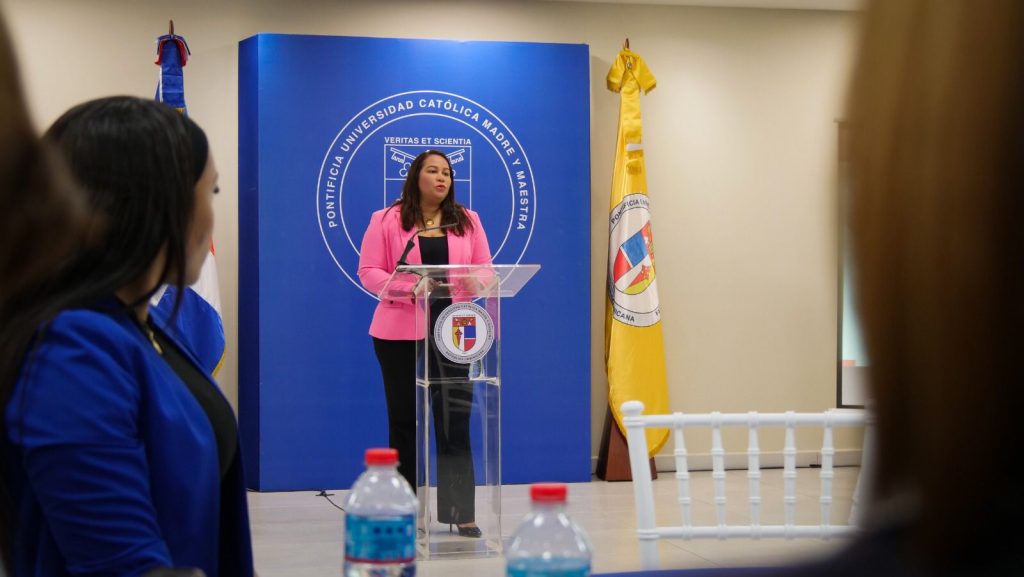
With these actions, DIGEPRES reaffirms its commitment to fostering a culture of openness and transparency in the management of public resources. The General Directorate of Budget (DIGEPRES), as part of its commitment to transparency and citizen participation, shared the set of budgetary tools it has available to make the public budget more visible within the framework of the co-creation of the Dominican Republic's Sixth Action Plan for the Open Government Partnership (OGP) 2024-2028. This plan, promoted by the General Directorate of Ethics and Governmental Integrity (DIGEIG), aims to strengthen collaboration between the government and civil society and promote more open, inclusive, and efficient public management. During the event, Rafael Jovine, Director of Economic Studies and Financial Monitoring at DIGEPRES, presented the budgetary tools designed to improve transparency and citizen participation in the preparation, execution, and monitoring of the budget. “What we are presenting today is part of the essential toolkit to ensure that the budget process is more accessible and understandable for citizens, thus enabling greater oversight and collaboration in public decision-making,” Jovine stated in her presentation. The dissemination of the budget toolkit was framed within the actions developed by the Open Government Partnership, an international platform that promotes the adoption of public policies focused on government openness, accountability, and citizen participation. The Sixth Action Plan 2024-2028 reaffirms the Dominican Republic's commitment to these principles, incorporating proposals that seek to transform public management and strengthen citizen trust in institutions. With the visibility of these tools, DIGEPRES reaffirms its efforts to foster a culture of openness and transparency in the management of public resources and to continue promoting mechanisms that encourage citizen participation in budget processes. The opening remarks of the event were delivered by Berenice Barinas, Executive Director of the General Directorate of Ethics and Governmental Integrity (DIGEIG), representing Dr. Milagros Ortiz Bosch, head of the agency. In addressing the attendees, she emphasized that the meeting aimed to promote new and improved spaces for dialogue with society. Similarly, Elizabet Díaz, Director of Transparency and Open Government at DIGEIG, explained the importance of the Open Government Partnership, an international platform that promotes the adoption of public policies focused on government openness, accountability, and citizen participation. This platform also incorporates proposals that seek to transform public administration and strengthen public trust in institutions. The initiative is part of the Dominican Republic's Multi-Stakeholder Forum for Open Government, a space for ongoing dialogue and collaboration between the Dominican government, civil society, and other non-governmental actors. The event was attended by representatives of civil society, non-governmental organizations, and various stakeholders involved in issues related to health, the environment, public services, citizen participation, education, citizenship, the digital divide, justice, transparency and open data, and vulnerable groups. Participants were able to learn firsthand about initiatives and progress in open budgeting. Attendees emphasized the importance of these actions as a fundamental step toward consolidating a more transparent and participatory government. Through these Citizen Encounters, DIGEPRES reaffirms its commitment to fostering a culture of openness and transparency in the management of public resources and to continuing to promote mechanisms that encourage citizen participation in budgeting processes. At the event, held at the Pontifical Catholic University Madre y Maestra (PUCMM), copies of the 2024 Citizen Budget and Law 80-23, the General State Budget, were distributed.
Digepres meets with health sector entities to address aspects related to the 2025 Budget Bill
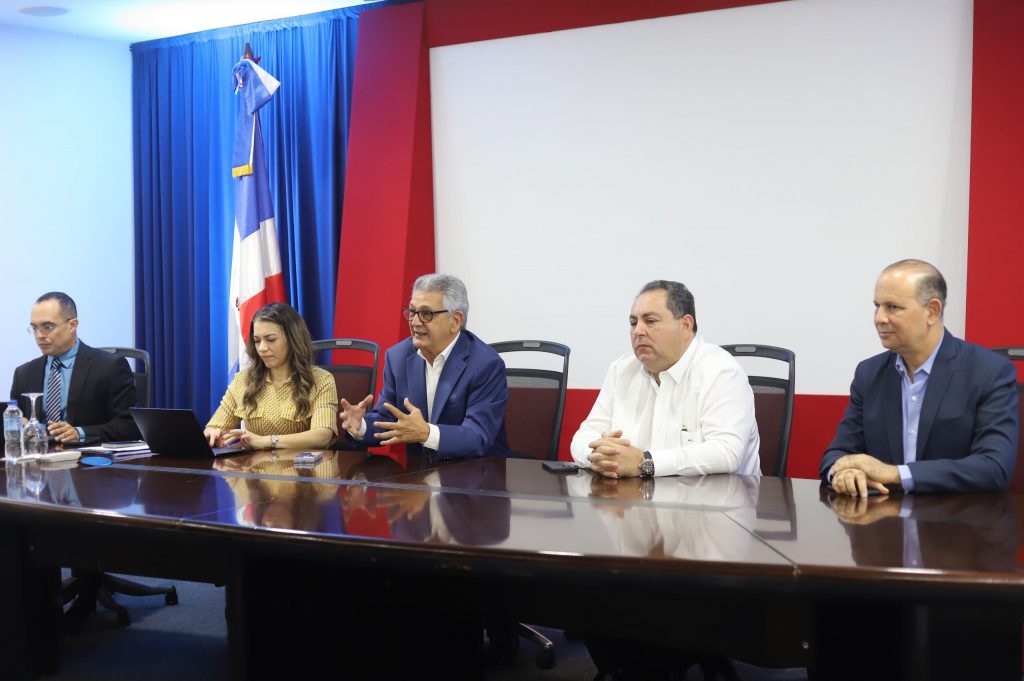
The Director General of the Budget Office emphasized the importance of redoubling efforts to improve health spending for the benefit of the country's growth and development. The Directorate General of the Budget Office (Digepres), in coordination with the National Health Service (SNS), met with representatives of the health sector to discuss issues related to the 2025 General State Budget Bill, under a more comprehensive, strategic, efficient, and equitable approach for the population and the health sector. The meeting was led by the Director General of the Budget Office, José Rijo Presbot, accompanied by the Deputy Director, Iván Ramírez; Mario Lama, Executive Director of the National Health Service (SNS); Odilys Hidalgo, Director of Budgetary Services; and Norvin Bargés, Head of the Department of Services to Local Governments. José Rijo Presbot, Director of the Budget Office, welcoming representatives from at least 12 hospitals across the country, emphasized the importance of redoubling efforts to improve healthcare spending for the benefit of the nation's growth and development. "The public budget for healthcare is limited due to low tax revenue, high levels of debt exacerbated by the COVID-19 pandemic, and macroeconomic shocks stemming from the war between Russia and Ukraine and rising inflation. Therefore, to have a financially sound healthcare system, we must make the budget more efficient," Rijo Presbot stressed during the meeting. Among the topics discussed, Rijo Presbot indicated that, with a view to the 2025 General State Budget, promoting good governance involves listening to diverse sectors, considering sensible perspectives, and having the support of the population. "We are here to assist you with your management and evaluate the results achieved by the healthcare system," the Director of the Budget Office noted. For his part, Mario Lama, director of the National Health Service (SNS), addressed the representatives, explaining that among the health guidelines established by the government led by President Luis Abinader is the principle of smart spending, aimed at achieving greater coverage and improved public health. Among the main aspects listed by participants from the health sector were the budget, self-managed hospitals, primary care, the flow of national and foreign residents, human resource planning, supplies, information systems, incentives, administration, procurement process management, and accountability, among others. The entities agreed on the importance of strengthening primary care. As part of the final agreements, strategies for developing inter-institutional coordination were discussed, with the goal of benefiting the most vulnerable sectors. This initiative was spearheaded by Dr. José Joaquín Puello, director of the Luis Eduardo Aybar Health City. “This meeting marks an important step toward building a more inclusive and efficient healthcare system. The government’s commitment is clear: a comprehensive health policy that responds to the country’s needs,” said José Rijo Presbot at the end of the meeting. Also participating in the event were representatives from the Rosa Emilia Sánchez Pérez de Tavares National Cancer Institute (INCART), the Dominican-Japanese Friendship Medical Education Center (CEMADOJA), the Cardio-Neuro-Ophthalmological and Transplant Center, the Dr. Reynaldo Almanzar Maternity Hospital (HMRA), the Dr. Ney Arias Lora Traumatology Hospital, the Dr. Marcelino Vélez Santana Regional Hospital, the Directorate of Management of the Integrated Financial Administration System of the State (DIGES), the Dr. Vinicio Calventi General Hospital, the Dr. Hugo Mendoza Pediatric Hospital, and Isabel Martínez, head of the Division of the Ministry of Public Health and Social Assistance. Advancing Improvement and Efficiency in Health Services: As part of the discussion on tax reform and its impact on the health sector, Budget Director José Rijo Presbot stated that the reform is based on motivations related to debt reduction, citizen security, and the health sector. Rijo Presbot explained that, despite improvements in the health system in recent years, the government inherited a closed country with limited resources upon taking office; therefore, tax revenues must be increased to better support this and other sectors. A question-and-answer session followed the event. As a result of the meeting, it was agreed to establish a permanent dialogue forum among the participating institutions, with regular meetings to evaluate progress and propose new actions to optimize health services for citizens. The event was held in the Juan Bosch Room at the General Directorate of the Budget (Digepres).
Digepres celebrates 200 weeks of Budget Execution Reporting and presents new citizen tools
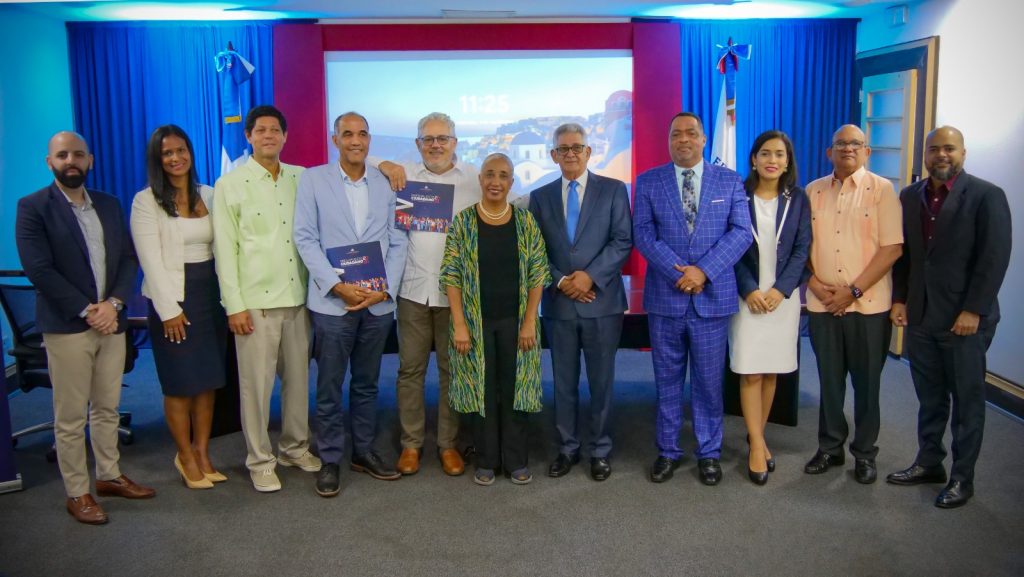
The Citizen Meeting brought together civil society and journalists to learn about the new Budget Simulator and encourage the use of citizen tools available from Digepres as a way to continue promoting transparency and public participation. The General Directorate of Budget (Digepres) held a Citizen Meeting for civil society organizations and journalists to share and celebrate the 200th edition of the Weekly Budget Execution Report, a citizen tool published every Tuesday that contains detailed information on the country's economic and financial activities. The Citizen Meeting, titled "Weekly Report 200: Contributing to the Public's Right to Know," also provided an opportunity to present to the audience, both in person and virtually, the tools that Digepres makes available to the public to increase transparency in the public budget and promote social participation within the budget cycle. The event was led by the Director General of Budget, José Rijo Presbot. Iván Ramírez, Deputy Director of the Budget Office; Manuel Robles, Chief of Staff of the Ministry of Economy, Planning and Development (MEPyD); Berenice Barinas, Executive Director of the General Directorate of Ethics and Governmental Integrity (DIGEIG); Juan Castillo, from the Solidarity Foundation, among other social organizations and journalists, were present. Rijo Presbot, Director of the Budget Office, addressed the attendees, explaining the importance of these meetings for disseminating detailed data and information on the General State Budget. He also presented, as an example, the range of perceptions, criteria, habits, and attitudes that society holds regarding the country's taxation. Rafael Jovine, Director of Economic Studies and Financial Monitoring, welcomed the participants and presented the set of tools shared, which can be accessed on the Budget Office's website and digital platforms. “Law No. 200-04 on Free Access to Public Information establishes the State's duty to provide information to citizens. This, coupled with numerous citizen demands for transparency in the public budget, motivates us in the Government to maintain this ongoing flow and exchange of information, which also enriches our work,” explained Jovine. Katherine Peguero, Coordinator of Economic Analysis and Studies, presented the content and importance of the weekly budget execution report, this time its 200th edition, outlining the analyses and statistics related to the central government's budget planning and execution. Juan Portalatin, Head of the Financial Management Department, and Sorangel González, Head of the Economic Analysis and Studies Department, spoke separately about other tools available to strengthen transparency and actively involve citizens in the decision-making, discussion, and social oversight of the public budget. Representatives from various organizations, including the Juan XXIII Center, the National Union of Press Workers (SNTP), Foro Ciudadano, Ciudad Alternativa, and Budget Directors and technicians, also participated in the event. As part of the citizen toolkit presented at the meeting, Airon Fernández, Economic Studies Specialist at the Budget Office, presented and demonstrated the Budget Simulator, available on the Digepres.gob.do website. The simulator's primary purpose is to serve as a learning and awareness tool, explaining how the budget process works by presenting expenditure scenarios to the public and the potential consequences of different decisions. Participants completed the exercise using the simulator, and the meeting concluded with a question-and-answer session related to the topics presented by the Digepres technicians. The Citizen Meeting on Budgeting fosters direct dialogue between Digepres and the public. This initiative, launched by this administration, seeks to foster citizen participation at every stage of the budget cycle, reaffirming its commitment to the true right to know. The event took place in the Juan Bosch Budget Room.
Digepres completes Institutional Strategic Planning 2021-2024 with projected compliance exceeding 90%

The Budget team presented the performance, goals, achievements, and lessons learned from four years of work focused on the Institutional Strategic Plan (PEI). The General Directorate of Budget (Digepres) held the Strategic Planning and Institutional Strengthening workshop for the 2021-2024 period. The objective was to comprehensively share the execution and achievement of goals across different areas, strategic axes, and indicators, and to establish the work guidelines for the budget and the corresponding PEI for the 2025-2028 period. The review of the planning document, with a projected completion rate exceeding 901% of the target, aimed to reflect on the strategic and programmatic guidelines and foundations of four years of work that will guarantee the future transformations and direction of the financial institution in the short, medium, and long term. The opening and closing of the PEI review workshop were led by José Rijo Presbot, Director General of Budget, and Iván Ramírez, Deputy Director General, along with department heads and representatives of middle management and technical staff from the Budget Office. In his closing remarks, the Director of Digepres, José Rijo Presbot, expressed his gratitude for the work carried out and the results achieved by the Budget team over the past four years. “The important thing here is to understand that with this review of the process, we seek to improve the institution's performance in its dealings with the State and the public,” stated Rijo Presbot. He also highlighted the significant institutional progress made over the years and cited planning as the fundamental tool for forecasting, rational decision-making, and as a guiding element of the strategic process. For her part, Patricia Castillo, head of the Planning and Development department, who, along with her team, is responsible for the evaluation process, thanked the staff for their enthusiastic participation in the workshops. These workshops brought together directors, managers, and area liaisons who, using a collaborative methodology of analysis and experience sharing, critically examined the institutional process implemented to date. The workshop also focused on the need to continue contributing together and designing strategies to achieve future objectives within the framework of public management oriented toward achieving positive results for the well-being of individuals and the development of the country. Strategic Budget Pillars: The Institutional Strategic Budget Plan has three strategic pillars: Efficient Management of the Dominican Budgetary System, Budgetary Transparency and Social Control, and finally, Organizational Strengthening and Development. The Plan's review is based on periodic monitoring of its implementation through multidisciplinary meetings that include the analysis and examination of the goals, products, and strategic indicators designed during the plan's conception. The proposal objectively represents a genuine expression of Digepres' interest in promoting its institutional strengthening, in line with the organization's mission, vision, and purposes.
Digepres and Fundación Solidaridad hold Citizen Meeting to socialize budget transparency tools
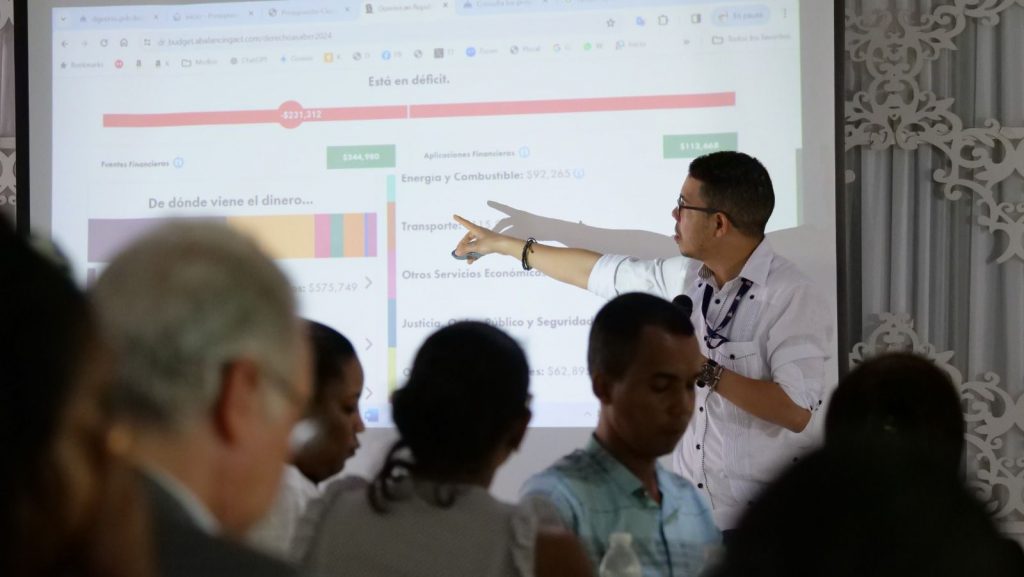
The Citizen Meeting held in Santiago aimed to highlight the importance of open budgeting practices to guarantee transparency and social oversight. Santiago – The General Directorate of Budget (Digepres) and the Solidarity Foundation held a Citizen Meeting to share available budget transparency tools and thereby improve access to clear and verifiable information on the use of public resources, strengthening accountability and citizen trust in government institutions. The meeting, held in Santiago de los Caballeros, also sought to highlight the importance of open budgeting practices to guarantee transparency and social oversight. Participants included Domingo Matías, Vice Minister of Territorial Planning and Regional Development of the Ministry of Economy, Planning and Development (MEPyD); Juan Castillo, Executive Director, and Kathia Lambis, Researcher, of the Solidarity Foundation; and Rafael Jovine, Director of Economic Studies and Financial Monitoring. Airon Fernandez, Budget Programs Specialist from the Budget Analysis and Economic Studies Department, and Marcos Gómez, from the Territorial Planning Office of the Santiago de los Caballeros City Council, were present. The welcoming remarks and objectives of the event were shared by Lambis, who emphasized the importance of these meetings for understanding how public resources are invested and their intended use. The first presentation was given by Domingo Matías from the Ministry of Economy, Planning and Development (MEPyD), who spoke about the challenges of territorial planning under the new municipal administration. Among his explanations, he highlighted the benefits that community input brings to the development projects compiled in their territories through the Single Registry of Territorial Citizen Demands (RUDCT), which are then considered in the national budget. Juan Castillo presented the results of the Open Budget Survey, which ranks the country fourth globally out of 125 countries and first among Latin American and Caribbean countries, according to data from the International Budget Partnership (IBP). “The Open Budget Survey (OBS) is the result of collaborative research between the International Budget Partnership (IBP) and civil society organizations in 125 countries, representing diverse regions and income levels over a 16-month period,” Castillo said. He also noted that the Survey is the only comparative and independent measure of budget transparency worldwide, regularly used by governments, donor agencies, and civil society organizations. Tools for Budget Transparency and Social Oversight: Rafael Jovine, Director of Economic Studies and Financial Budget Monitoring, presented the tools that bring the budget closer to citizens, increasingly closing the gaps and reducing budgetary discretion between public institutions and the public. “Previously, the public finance information available to officials was far more extensive than that available to the general public. This has decreased, and much of the information I will present is already accessible to you,” explained Rafael Jovine in his presentation. The economist outlined how to access information available on the Digepres portal, including interactive videos, citizen forums, documents, and reports that illustrate the state of public finances. He also presented the Citizen Budget portal, which summarizes the five volumes of the General State Budget (PGE). Among the tools shared by Jovine was the 2024 Budget Simulator, which allows citizens to see how revenues are spent and simulate income and expenditure allocations that best suit their preferences, within established parameters. This enables them to submit their “ideal budget” to the government, along with comments and opinions. He also addressed the PGE formulation process, the budget cycle, and the stages involved, such as formulation, discussion, approval, execution, and evaluation. Finally, Rafael Jovine emphasized the importance of constant citizen oversight of public resources to ensure they are used in strict accordance with the law. The event was attended by municipal officials and social organizations from the province interested in the topic and concluded with a question-and-answer session based on the information presented and current events in the country.
Digepres receives a representative from the World Bank to discuss economic aspects and future projects for the country

The World Bank is committed to continuing to provide technical and financial support so that the country can continue to advance reforms and projects for the benefit of its citizens. The Director of the General Directorate of Budget (Digepres), José Rijo Presbot, met with Gabriel Zaourak, Senior Economic Policy Economist at the World Bank, to discuss budgetary support for the Dominican government and potential policies to further improve economic resilience and transparency in the country. During the meeting, the Director of Budget was accompanied by Odilys Hidalgo, Director of Budgetary Services; Rafael Jovine, Director of Economic Studies and Financial Monitoring; and Ana Miguelina Terrero, Head of Budget Performance Evaluation. Zaourak was joined virtually by Anna-Maria Bogdanova, Senior Disaster Risk Management Specialist; Victoria Alexeeva, Disaster Risk Management Specialist; and María Alejandra Scheker Lora, Procurement Specialist. Jean Michel Lobet, Senior Specialist in Finance, Competition, and Investment, and Carmen Amaro, Operations Officer, were present. The opening remarks were delivered by the Director of the Budget, José Rijo Presbot, who thanked the local and international attendees for their participation. He emphasized the government's efforts to improve the economic performance of state institutions, thereby promoting poverty reduction and creating a more just and equitable society. During his presentation, Rijo Presbot highlighted the ongoing transformations to the Financial Management Information System (SIGEF), which will lead to a new management model starting in 2026 regarding budget projection, concept, and functionality. He also discussed actions under the Results-Based Budgeting (RBB) strategy in public management and its connection to the allocation of resources to goods and services and their measurement. Finally, he addressed legislation related to Organic Budget Law No. 423-06. “In terms of legislation, we are working on the draft amendment to the Organic Budget Law to align it with the 2010 Constitution, the National Development Strategy, and the Fiscal Responsibility Law, the latter impacting legislation, debt, and spending limits under a fiscal rule,” José Rijo Presbot emphasized during his presentation. For his part, Rafael Jovine, Director of Economic Studies and Financial Monitoring, focused his remarks on areas of the General State Budget and the country's results achieved under the Open Government model in public management. This model, based on access to information, citizen participation and collaboration, and accountability, has allowed the country to rank fourth globally out of 125 countries and first among Latin American and Caribbean countries in transparency, according to data from the International Budget Partnership's (IBP) Open Budget Survey of the Dominican Republic. Ana Miguelina Terrero based her presentation on the evaluation of budgetary programs, the measurement of public spending efficiency, and contributions to gender equality and the most vulnerable sectors. She also explained the actions being taken regarding government public funding to address and promote climate action and gender equality in the country. Proposals for a Citizen-Centered Administration: In the meeting with representatives of the World Bank, Budget Director José Rijo Presbot also expressed President Luis Abinader's interest in continuing to work towards extraordinary and structural changes in the public sector in education, health, security, and the fight against corruption. This includes a functional classification and goals aimed at improving the quality of life for the people. Finally, Gabriel Zaourak, Senior Economic Policy Economist at the World Bank, after reviewing the data and information provided by the Budget team, expressed the World Bank's interest in further strengthening ties with the Budget Office in the future to provide technical and financial support so that the Dominican Republic can continue to promote reforms and projects for the benefit of its citizens. The exchange between the two entities took place in the Digepres office.
Rijo Presbot: “The Government is working to make public spending more efficient
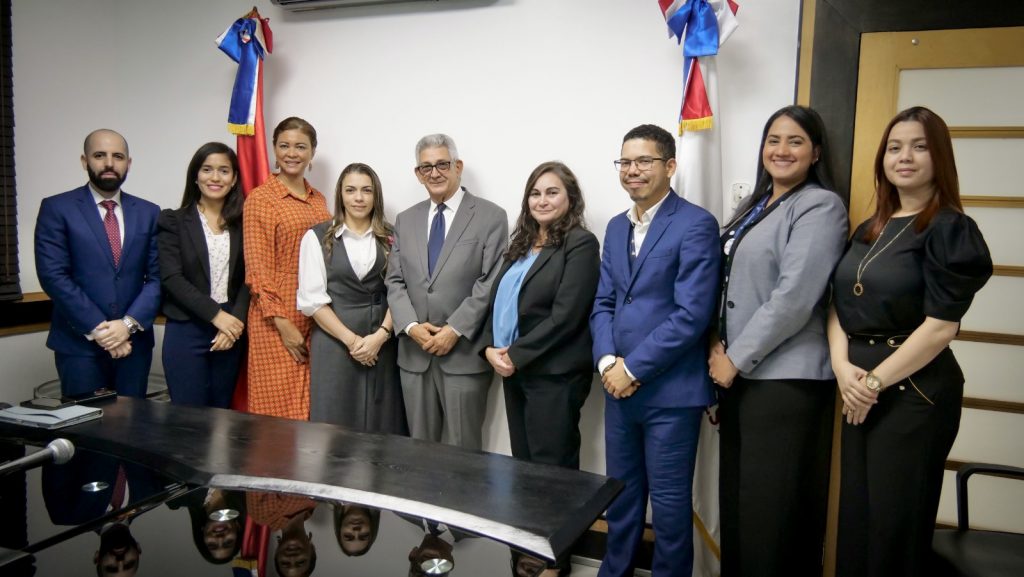
The Director General of the Budget Office received a visit from the International Monetary Fund (IMF) mission, which aimed to address crucial issues related to the country's economic performance. The Directorate General of the Budget Office welcomed Pamela Madrid, a member of the International Monetary Fund (IMF) mission visiting the Dominican Republic to strengthen bilateral relations and discuss crucial issues related to the country's economic performance, reforms, challenges, and financial future. During the meeting with the IMF representative, the Director General of the Budget Office, José Rijo Presbot, was accompanied by Odilys Hidalgo, Director of Budget Services; Griselda Gomez, Director of Quality and Evaluation of Public Spending; Rafael Jovine, Director of Economic Studies and Financial Monitoring; and Ana Miguelina Terrero, Head of Budget Performance Evaluation. María Victoria Ortiz, head of the Standards and Methodologies Department, and Juan Portalatín, head of the Financial Management Department for Formulation and Execution of the Directorate of Economic Studies and Financial Monitoring, were present. The welcoming remarks were delivered by the Budget Director, who, in addressing the topics, emphasized the Dominican Government's commitment to sound economic management, rationalizing spending, and the proper execution of public resources to improve people's quality of life. According to data provided by the Budget Director, “The Government is committed to improving spending. This is the first time in the last five election years that a primary fiscal surplus has been recorded, even amidst the political campaigning surrounding the recent municipal, congressional, and presidential elections. The deficit remained below 0.5% of GDP for five months,” Rijo Presbot stated in his address. He also said that this is an indicator of the Government's effort to avoid the historical practice of allocating the Budget for political and electoral purposes. The director of Digepres stated that the administration, led by President Luis Abinader, is making an effort to adjust non-priority spending. He also reiterated the commitment to improving management culture, segmenting the country to streamline spending, and aligning the planning and budget to ensure that physical and financial targets are met. The visit of Pamela Madrid, representative of the IMF, is in accordance with Article IV of its Articles of Agreement, under which the IMF holds bilateral discussions with its members annually to gather economic and financial information and analyze the nation's progress and economic policies with the authorities. Rafael Jovine, director of Economic Studies and Financial Monitoring, presented a comprehensive report to the IMF representative, detailing topics related to investment processes, expenditures, tax reform, budget formulation, public administration restructuring, public spending efficiency, and other issues concerning health, labor, education, infrastructure, trusts, budget formulation, police reform, social security, gender, and climate change, among other subjects. It is also worth highlighting that, during the presentation on climate change, Ana Miguelina Terrero, Head of Budget Performance Evaluation, and Griselda Gomez, Director of Quality and Evaluation of Public Spending, emphasized information on the actions, unified efforts, and transformations that the Budget Office, in conjunction with other government institutions, has been developing on this issue. Regarding budget transparency, Rafael Jovine, who led the presentation, spoke about the reforms and budget transparency implemented by the General Directorate of Budgets (Digepres). “The level of transparency at the Budget Office is evident in the weekly Budget Execution report, published without fail every Tuesday on the Digepres website. With careful analysis, one can access even the smallest record of government spending,” Jovine stated. Following the explanations provided by the Budget Office staff, Pamela Madrid of the IMF thanked Digepres for their hospitality, expressing the Fund's interest in monitoring the country's economic processes and its willingness to provide technical support in financial training for Budget Office personnel. The meeting with the IMF representative took place in the Budget Office room.
Digepres, through the Sustainable Budget project, carries out a coastal cleanup day
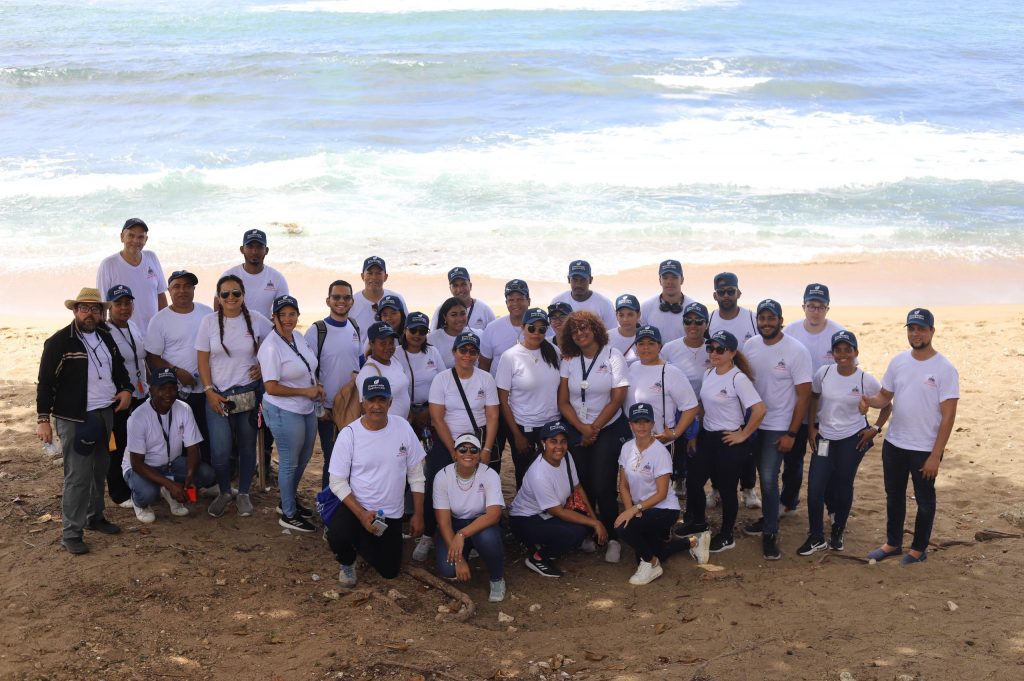
The initiative, which brought together more than 50 employees of the institution, is part of the Budget Directorate's social responsibility efforts to foster a culture of awareness and civic engagement in favor of the environment. The General Directorate of Budget (Digepres), under the leadership of the Ministry of Environment and Natural Resources, carried out a beach cleanup in Güibia, on the Malecón in the Dominican capital, as part of its institutional commitment to environmental promotion and protection. The activity, led by Francisco Abreu, head of the Budget Directorate's Human Resources department, along with Luichy Sosa, provincial director, and María Yepes, head of beach cleaning for the Ministry of Environment, involved more than 50 Budget Directorate employees who joined together in a collaborative effort to clean the shores of the popular capital city beach. In his welcoming remarks, Abreu stated that the event reflects the Budget Office's ongoing commitment to environmental sustainability and raising awareness about the importance of caring for our natural resources. He further explained that the activity is part of the institutional Sustainable Budget initiative, which aims to share the institution's social responsibility and encourage other entities to replicate this commitment to protecting our planet. "The beach cleanup is a day of celebration in which we reaffirm our commitment to the environment and promote practices that protect both the natural environment and the spaces we share," said Francisco Abreu. For her part, María Yépez, in charge of Beach Cleanups, thanked the Budget Office for joining these efforts, as the waste that accumulates on the beaches significantly impacts the planet and the health of citizens in the country. Yépez also thanked the volunteers from the Budget Office and the Environment Office who participated in the event. During the activity, organic waste, plastic containers, and disposable bags were collected, along with other types of waste that commonly pollute coastal areas. Digepres, in conjunction with the Ministry of the Environment, provided the logistical support for the successful morning event. Regarding the Sustainable Budget initiative, as part of its social responsibility efforts, Digepres is joining the search for solutions to the social and environmental problems facing our society. Through the Sustainable Budget project, Digepres is implementing a comprehensive work plan that incorporates communication and social responsibility initiatives to encourage the adoption of environmentally responsible habits. The initiative also includes the formation of a volunteer program to support the actions carried out by the institution.
Digepres launches innovative Budget Simulator: it joins initiatives for social participation and transparency
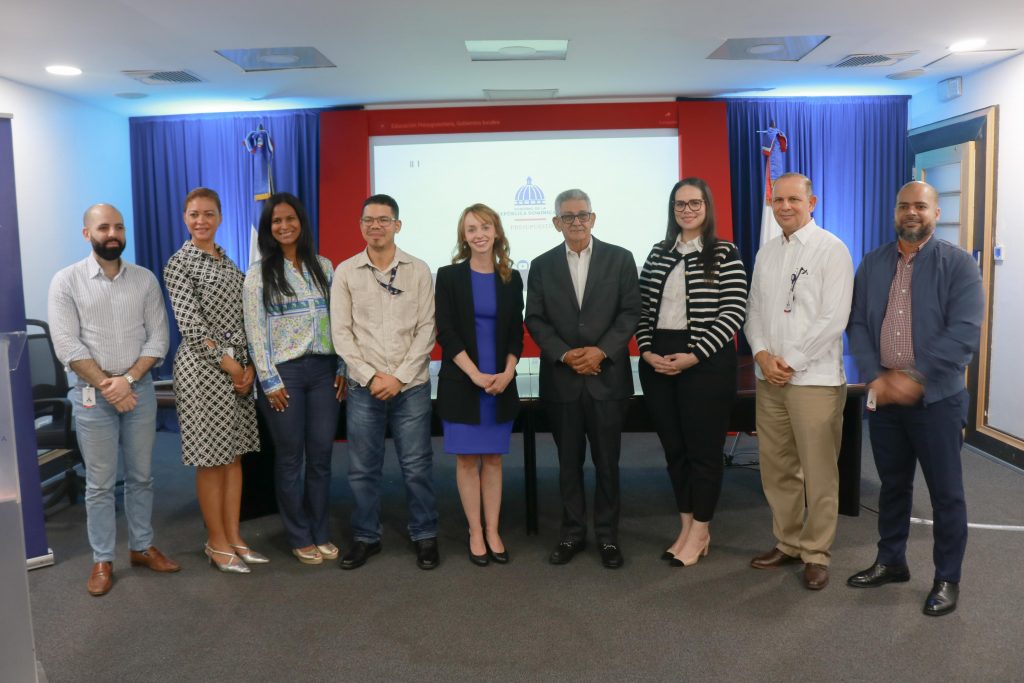
The open-access tool was developed with the support and cooperation of the U.S. Embassy in the Dominican Republic and aims to further foster civic interest in issues concerning central government spending. During a Citizen Forum, the General Directorate of Budget (DIGEPRES), as part of its strategic focus on Transparency and Social Control, and with the cooperation of the U.S. Embassy in Santo Domingo, made the 2024 Budget Simulator available to the public. This open-access tool seeks to further foster civic interest in issues concerning central government spending in the Dominican Republic and to increase transparency and social control over the budget cycle. The tool, developed with technical cooperation from the U.S. Embassy in Santo Domingo in conjunction with the Budget Directorate, initially presents the fiscal scenario that led to the formulation of Law No. Section 80-23 of the 2024 General State Budget was presented, outlining total revenue projections by category, including taxes, donations, and other income, as well as the major sectors to which total spending is allocated, according to the functional classification, related to education, debt interest, social protection, health, general administration, and energy and fuels. The event was led by José Rijo Presbot, Director General of the Budget; Iván Ramírez, Deputy Director General of the Budget; Ariel Jahner, Economic Attaché at the U.S. Embassy; and representatives from various government institutions. In her welcoming remarks, Ariel Jahner praised the initiative of the General Directorate of the Budget (Digepres) and the commitment made by the United States to support the Dominican Republic in its efforts to combat corruption and increase government transparency for its citizens. “The 2024 Budget Simulator allows citizens to stay informed about how tax revenues are spent and demonstrates the Government's commitment to promoting understanding of public spending processes among citizens and civil society organizations so they can participate in building a better society and strengthening democracy,” stated Ariel Jahner in his remarks. He also emphasized that the tool allows Dominicans to make recommendations on the use and management of the taxes they pay, which the Government uses to finance public needs. For his part, Rafael Jovine, Director of Economic Studies and Financial Budget Monitoring, explained that the tool allows users to simulate the distribution of income and expenses that best suits their criteria, within established limits, enabling them to submit their “ideal budget” to the government along with comments and opinions. “At Digepres, we don't just want to publish documents, but also to promote social participation and strengthen budget transparency,” said Rafael Jovine, explaining the tool's general features. At the close of the platform's launch, the Director General of the Budget highlighted the limitations of the current fiscal scenario, where almost 90.1% of the total projected tax revenue for 2024 is committed to six major areas: education, debt interest, social policies and subsidies, public health, central bank recapitalization, and local governments. “For us, it is important to leverage information and communication technologies (ICTs) to bring the government closer to society, in order to learn firsthand their specific assessments and opinions on current budget policy,” emphasized Rijo Presbot. Likewise, it encouraged the academic community, journalists, unions, influencers, young people, and civil society to actively participate in the discussion on spending priorities by submitting their proposals and joining the Citizen Meetings actively organized by DIGEPRES. Initiatives that guarantee the right to know: As part of its commitment to the right to know, DIGEPRES adds the Budget Simulator to other initiatives such as the Citizen Budget, the Citizen Meetings on Budgeting, weekly budget execution reports, and budget infographics; as well as actions promoted in coordination with the Ministry of Economy, Planning and Development (MEPyD), such as the registration of territorial consultations for validating citizen demands in budget formulation, which are incorporated into the RUDCT platform. This set of initiatives has earned international recognition, placing the country first in the Americas for social participation in the budget and third for social transparency, according to the 2023 Open Budget Survey by the International Budget Partnership (IBP). The event took place in the Juan Bosch Budget Room, with the participation of directors, division heads, and staff from the General Directorate of Budget (Digepres).
Fundación Solidaridad presents results of the Open Budget Survey: Dominican Republic ranks number 1 in the continent in public budget participation
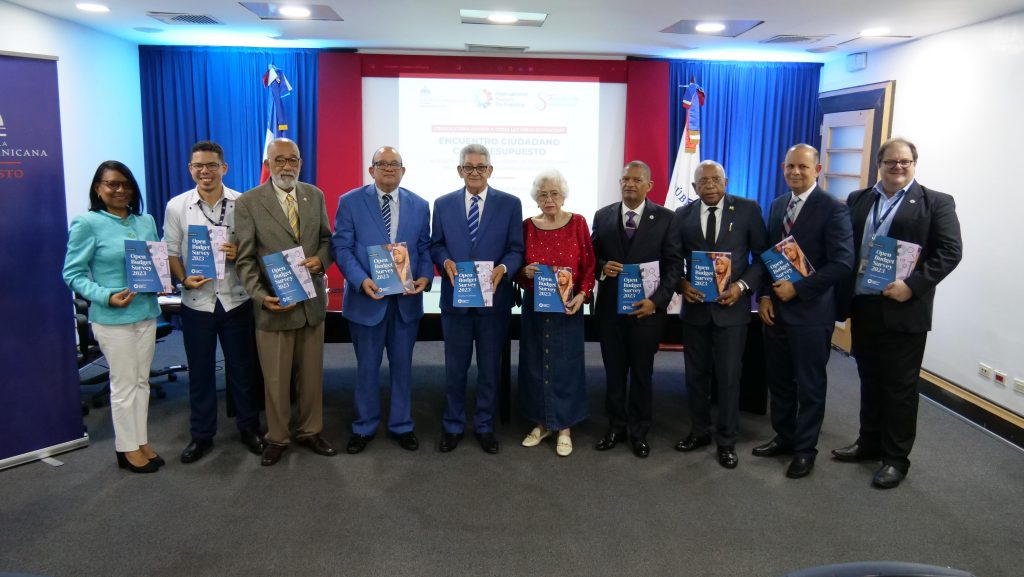
The Open Budget Survey, conducted by the International Budget Partnership, indicates that the country registered a 22-point increase compared to its 2021 score. During a Citizen Forum on Budgeting, the Solidarity Foundation, the organization representing the International Budget Partnership in the country, presented the General Directorate of Budget (Digepres) with the country results of the 2023 edition of the Open Budget Survey. The Dominican Republic obtained a score of 48 points in Public Participation, doubling its 2021 score. In this edition of the Open Budget Survey for the Dominican Republic, conducted by the International Budget Partnership (IBP), the results place the country fourth globally out of 125 countries and first among Latin American and Caribbean countries, according to data from the IBP's Open Budget Survey for the Dominican Republic. The survey also indicates that the Dominican Republic increased from 22 points in 2021 to 48 in 2023, registering a 26-point increase between the two measurements. This data was shared during the formal presentation of the document to the General Directorate of Budget. The Open Budget Survey (OBS) is the result of collaborative research between the International Budget Partnership (IBP) and civil society organizations in 125 countries, representing diverse regions and income levels over a 16-month period. The event was led by José Rijo Presbot, Director General of Budget; Iván Ramírez, Deputy Director General of Budget; Milagros Ortíz Bosch, Director of the General Directorate of Ethics and Governmental Integrity (DIGEIG); Rómulo Arias Moscat, Director General of Government Accounting; Derby de los Santos, Vice Minister of the Treasury; and Camila Hernández Villamán. The event was attended by Juan Carlos Arguelles, head of the Fiscal Studies Department of the General Directorate of Fiscal Analysis and Policy at the Ministry of Finance; Martín Zapata Sánchez, Vice Minister of the General Directorate of Tax Policy and Legislation; and Juan Castillo and Katia Lambis, Executive Director and Researcher, respectively, of Fundación Solidaridad. Rafael Jovine, Director of Economic Studies and Financial Budget Monitoring, explained in his opening remarks that the meeting aimed to further strengthen transparency, social oversight, and accountability regarding the country's fiscal governance and the General State Budget for the benefit of the public. For his part, Juan Castillo, from Fundación Solidaridad, explained that the Open Budget Survey is based on three fundamental pillars: transparency, participation, and oversight. “Transparency helps the public understand the government’s budget priorities; formal budget oversight by the legislative branch guides and examines budgetary options, while auditing entities evaluate the legality, efficiency, and effectiveness of public spending,” Castillo emphasized while sharing the survey results. Milagros Ortiz Bosch, director of DIGEIG, stated that receiving this international evaluation from the International Budget Partnership is highly gratifying, demonstrating that the country continues to advance in transparency and public participation. “We are working well, and these growing numbers prove it,” Ortiz Bosch affirmed. She added that for this progress to continue, citizens must demand that the laws be enforced. In his closing remarks, José Rijo Presbot expressed the government’s commitment to continuing to strengthen and empower citizens to build together the society we all want. Transparent and Participatory Budgeting: The International Budget Partnership's (IBP) Open Budget Survey is the only independent, comparative measure of budget transparency worldwide, regularly used by governments, donor agencies, and civil society organizations to inform budget reforms and other issues. Since August 2020, the General Directorate of Budget (Digepres) has implemented innovative measures and projects aimed at promoting and strengthening transparency, social oversight, and citizen participation in the budget cycle. For the first time ever, Digepres publishes a weekly report on budget execution, which details the management of public resources by the central government and is updated every Tuesday at the end of each week. Furthermore, in an effort to bring the budget closer to the public, Citizen Forums are held to address topics related to the General State Budget, its formulation, approval, execution, and monitoring, in an open forum with various sectors of civil society. The Budget Office has the institutional portal Digepres.gob.do and its social media @DigepresRD to make all budget information available to citizens.