


 EN
EN  ES
ES Digepres Quality Week: culminates a day focused on excellence
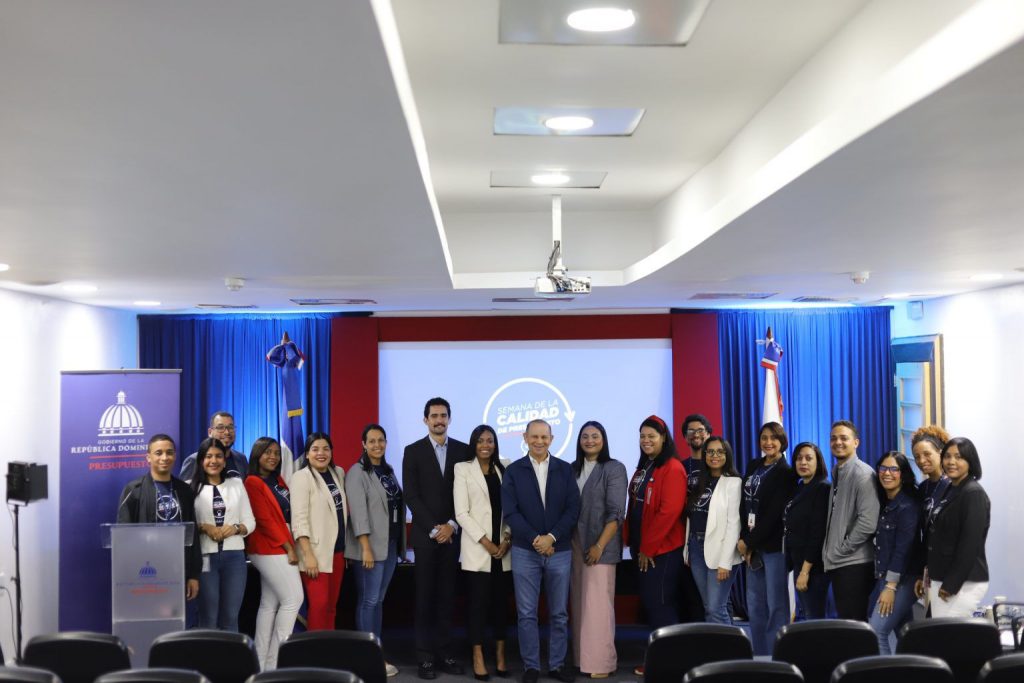
The activity aimed to reaffirm the Budget Directorate's commitment to the continuous improvement of its processes and services. The General Directorate of Budget (Digepres) concluded Digepres Quality Week, an event dedicated to reinforcing values, norms, standards, and practices for managing and promoting quality in all institutional services and processes. The event, held from November 18 to 22, also sought to provide the benefits of ISO 9001 certification, the quality management standard, and ISO 37001, designed to establish robust and effective anti-bribery management systems. The closing ceremony began with remarks from the Director General of Budget, José Rijo Presbot, who emphasized the importance of teamwork in achieving effective results. "A cornerstone of quality is teamwork and good communication, elements that, when combined, allow an institution to function efficiently and effectively," stated Rijo Presbot, reaffirming Digepres' commitment to continuous improvement. The event also included the participation of the Deputy Director of Budget, Iván Ramírez, and was attended by department heads, division heads, and staff who joined in the activities held throughout the anniversary week. Laura de la Cruz, Head of Quality Management in the Planning and Development Department, emphasized the importance of embracing quality in every process of the institution as a key tool for achieving strategic objectives. “Quality is not only a commitment, but a responsibility that must be present in everything we do,” she stated. The Quality Week program featured various activities aimed at promoting good service and continuous improvement within the institution through talks, workshops, and complementary activities such as quizzes, internal information sessions, and audiovisual presentations that addressed key topics in the areas of quality, bribery, and risk management. The week's activities included prominent figures such as Olympic athletes Camil Domínguez and Luisito Pie, who shared their experiences and emphasized that quality is based on clear objectives and teamwork. Also participating in the program were the Dominican Institute for Quality (INDOCAL), KPI Learning, the Ministry of Public Administration, the National Competitiveness Council, and the Ministry of Industry and Commerce (MIC). The Quality Week organizing team also included Patricia M. Castillo, head of the Planning and Development Department; Karla Ureña, head of the Division of Formulation, Monitoring, and Evaluation of Plans, Programs, and Projects; Awilda Polanco, head of the Division of Institutional Development; Amanda Hilario, administrative technician; and analysts Cheila Chivilli, Jesús Payano, Tairy Ramírez, Abraham de León, Paola Sido, Mariel Matos, Edwin Terrero, Lorenna Dominguez, Patria Crousset, Bryan Thompson, and Ramfis Moreno. Finally, the Digepres Quality Week showcased the exchange of ideas and knowledge related to the topics covered. With this initiative, the Budget Office reaffirms its commitment to institutional excellence, recognizing that quality is an essential pillar for efficient public management focused on citizen service.
Digepres completes Institutional Strategic Planning 2021-2024 with projected compliance exceeding 90%

The Budget team presented the performance, goals, achievements, and lessons learned from four years of work focused on the Institutional Strategic Plan (PEI). The General Directorate of Budget (Digepres) held the Strategic Planning and Institutional Strengthening workshop for the 2021-2024 period. The objective was to comprehensively share the execution and achievement of goals across different areas, strategic axes, and indicators, and to establish the work guidelines for the budget and the corresponding PEI for the 2025-2028 period. The review of the planning document, with a projected completion rate exceeding 901% of the target, aimed to reflect on the strategic and programmatic guidelines and foundations of four years of work that will guarantee the future transformations and direction of the financial institution in the short, medium, and long term. The opening and closing of the PEI review workshop were led by José Rijo Presbot, Director General of Budget, and Iván Ramírez, Deputy Director General, along with department heads and representatives of middle management and technical staff from the Budget Office. In his closing remarks, the Director of Digepres, José Rijo Presbot, expressed his gratitude for the work carried out and the results achieved by the Budget team over the past four years. “The important thing here is to understand that with this review of the process, we seek to improve the institution's performance in its dealings with the State and the public,” stated Rijo Presbot. He also highlighted the significant institutional progress made over the years and cited planning as the fundamental tool for forecasting, rational decision-making, and as a guiding element of the strategic process. For her part, Patricia Castillo, head of the Planning and Development department, who, along with her team, is responsible for the evaluation process, thanked the staff for their enthusiastic participation in the workshops. These workshops brought together directors, managers, and area liaisons who, using a collaborative methodology of analysis and experience sharing, critically examined the institutional process implemented to date. The workshop also focused on the need to continue contributing together and designing strategies to achieve future objectives within the framework of public management oriented toward achieving positive results for the well-being of individuals and the development of the country. Strategic Budget Pillars: The Institutional Strategic Budget Plan has three strategic pillars: Efficient Management of the Dominican Budgetary System, Budgetary Transparency and Social Control, and finally, Organizational Strengthening and Development. The Plan's review is based on periodic monitoring of its implementation through multidisciplinary meetings that include the analysis and examination of the goals, products, and strategic indicators designed during the plan's conception. The proposal objectively represents a genuine expression of Digepres' interest in promoting its institutional strengthening, in line with the organization's mission, vision, and purposes.
Digepres holds meeting with alternative and traditional media to promote the use of citizen budgeting tools
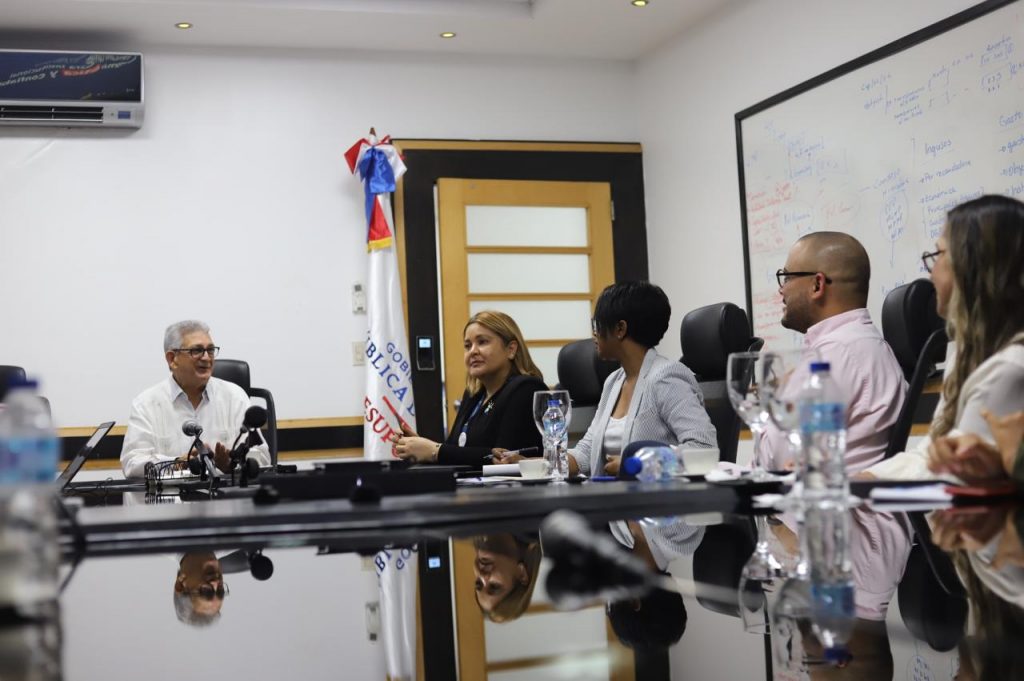
Citizen Meeting is an initiative of the current budget administration that seeks to promote transparency, participation, and social oversight. The General Directorate of Budget held a Citizen Meeting with alternative and traditional media outlets to publicize and reinforce the use of available citizen tools for transparency in the General State Budget and to foster participation and social oversight. This activity is part of the Budget Directorate's ongoing efforts to promote transparency, access to public information, and citizens' right to know. The meeting was led by the General Director of Budget, José Rijo Presbot, who was accompanied by Rafael Jovine, Director of Economic Studies and Financial Monitoring; Ana Miguelina Terrero, Head of Performance Evaluation; Sorangel González, Head of the Economic Analysis and Studies Department; Juan Portalatín, Head of Financial Management for Formulation and Execution; Paola Chaljub, Head of the Communications Department; and Airon Fernández, Budget Programs Specialist. The welcoming remarks were delivered by Rijo Presbot, who addressed various economic topics and debunked misconceptions surrounding the General State Budget (PGE). “Breaking with the concept of a supplementary budget has been difficult for us. It has been reformulated,” reiterated Presbot, referring to the modification of the General State Budget requested by the Executive Branch, usually during the second half of the fiscal year, which must be approved by law in the National Congress. He also emphasized the importance of handling data correctly. “Budget matters are complex in terms of analysis, structuring, and data handling; hence the importance of sound criteria for selecting information,” explained the Budget Director. He added that this Citizen Meeting aims to equip public opinion leaders with the skills to report on the PGE more objectively. The meeting included an explanatory presentation on the use of the tools and information available on the Citizen Budget portal, led by the Digepres technical team. The first presentation was given by Airon Fernández, who explained that the Citizen Meetings are a direct dialogue between Digepres and civil society. This initiative, launched by this administration, seeks to foster citizen participation at every stage of the budget cycle and reaffirm the institution's commitment to the true Right to Know. Ana Terrero then addressed the budget from the perspective of the Implementing Units and how to disaggregate information related to their institutional activities, including goals, planning, and monitoring. Similarly, Sorangel González led a virtual tour of the institutional portal and the Citizen Budget subportal, explaining how to access tools and public information, such as reports and other documents produced by the institution that are of public interest. Juan Portalatin explained the importance of understanding financial concepts and managing data. He also addressed the budget classification systems that aim to standardize and systematize the information necessary for budget formulation, in accordance with the objectives of economic policy. Meanwhile, Rafael Jovine presented the new 2024 budget simulator, available on the Citizen Budget subportal, which engaged attendees and demonstrated how each decision in budget formulation directly impacts every public policy and program developed by the Government. In his presentation, Jovine emphasized that the new public management seeks a more efficient and effective administration in its processes, while also being closer to the citizen. Citizen Meetings and Media Engagement: The General Directorate of Budget (Digepres) has been holding meetings with communication professionals in the field of economics and finance through Citizen Meetings to reaffirm its commitment to transparency, closeness to the public, and to guarantee, for the first time in government, social participation in the formulation of the General State Budget. Citizen Meeting is an open initiative that seeks to bring the Budget closer to the population and can be requested through the email [email protected]. This meeting was attended by economic editors from the newspapers Acento, Diario del País and Diario Libre; in addition, communicators and economists with a presence on social networks.
Digepres, through the Sustainable Budget project, carries out a coastal cleanup day
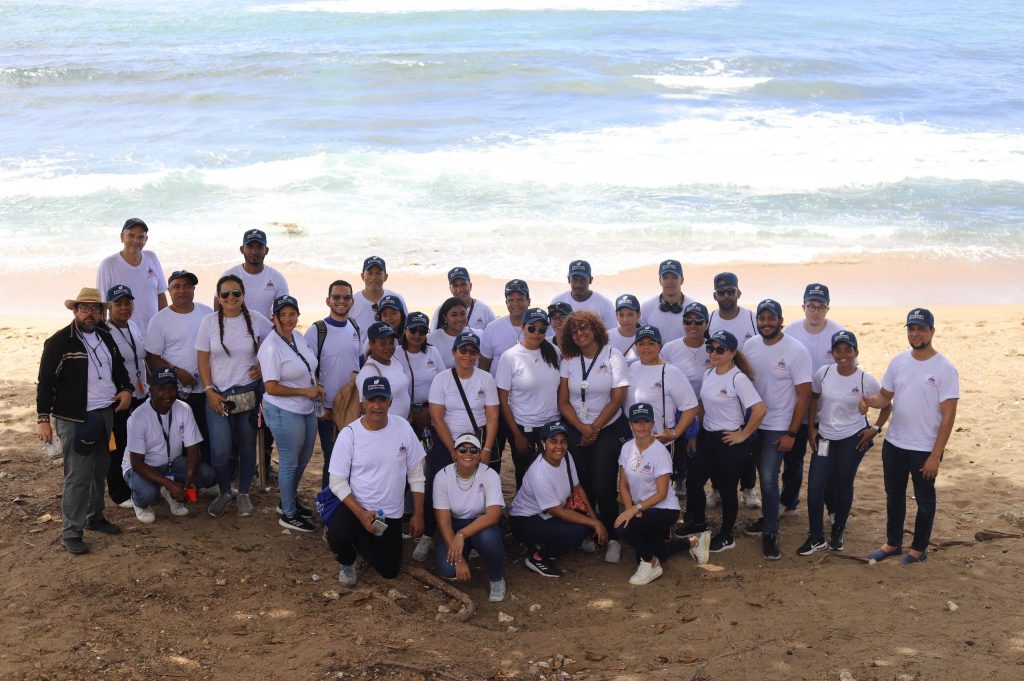
The initiative, which brought together more than 50 employees of the institution, is part of the Budget Directorate's social responsibility efforts to foster a culture of awareness and civic engagement in favor of the environment. The General Directorate of Budget (Digepres), under the leadership of the Ministry of Environment and Natural Resources, carried out a beach cleanup in Güibia, on the Malecón in the Dominican capital, as part of its institutional commitment to environmental promotion and protection. The activity, led by Francisco Abreu, head of the Budget Directorate's Human Resources department, along with Luichy Sosa, provincial director, and María Yepes, head of beach cleaning for the Ministry of Environment, involved more than 50 Budget Directorate employees who joined together in a collaborative effort to clean the shores of the popular capital city beach. In his welcoming remarks, Abreu stated that the event reflects the Budget Office's ongoing commitment to environmental sustainability and raising awareness about the importance of caring for our natural resources. He further explained that the activity is part of the institutional Sustainable Budget initiative, which aims to share the institution's social responsibility and encourage other entities to replicate this commitment to protecting our planet. "The beach cleanup is a day of celebration in which we reaffirm our commitment to the environment and promote practices that protect both the natural environment and the spaces we share," said Francisco Abreu. For her part, María Yépez, in charge of Beach Cleanups, thanked the Budget Office for joining these efforts, as the waste that accumulates on the beaches significantly impacts the planet and the health of citizens in the country. Yépez also thanked the volunteers from the Budget Office and the Environment Office who participated in the event. During the activity, organic waste, plastic containers, and disposable bags were collected, along with other types of waste that commonly pollute coastal areas. Digepres, in conjunction with the Ministry of the Environment, provided the logistical support for the successful morning event. Regarding the Sustainable Budget initiative, as part of its social responsibility efforts, Digepres is joining the search for solutions to the social and environmental problems facing our society. Through the Sustainable Budget project, Digepres is implementing a comprehensive work plan that incorporates communication and social responsibility initiatives to encourage the adoption of environmentally responsible habits. The initiative also includes the formation of a volunteer program to support the actions carried out by the institution.
Digepres launches innovative Budget Simulator: it joins initiatives for social participation and transparency
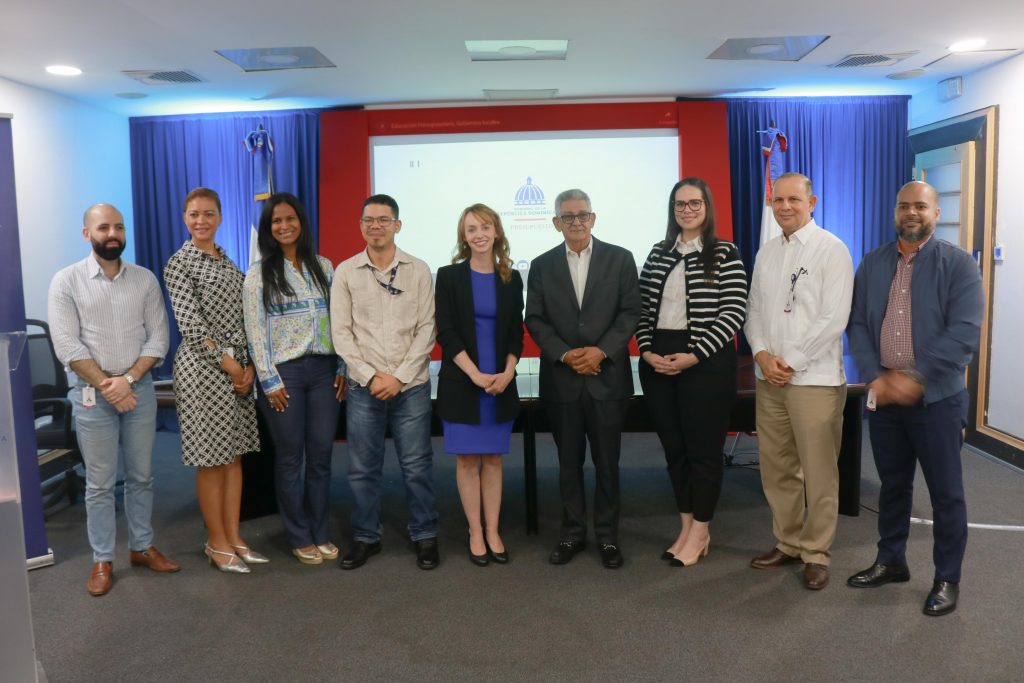
The open-access tool was developed with the support and cooperation of the U.S. Embassy in the Dominican Republic and aims to further foster civic interest in issues concerning central government spending. During a Citizen Forum, the General Directorate of Budget (DIGEPRES), as part of its strategic focus on Transparency and Social Control, and with the cooperation of the U.S. Embassy in Santo Domingo, made the 2024 Budget Simulator available to the public. This open-access tool seeks to further foster civic interest in issues concerning central government spending in the Dominican Republic and to increase transparency and social control over the budget cycle. The tool, developed with technical cooperation from the U.S. Embassy in Santo Domingo in conjunction with the Budget Directorate, initially presents the fiscal scenario that led to the formulation of Law No. Section 80-23 of the 2024 General State Budget was presented, outlining total revenue projections by category, including taxes, donations, and other income, as well as the major sectors to which total spending is allocated, according to the functional classification, related to education, debt interest, social protection, health, general administration, and energy and fuels. The event was led by José Rijo Presbot, Director General of the Budget; Iván Ramírez, Deputy Director General of the Budget; Ariel Jahner, Economic Attaché at the U.S. Embassy; and representatives from various government institutions. In her welcoming remarks, Ariel Jahner praised the initiative of the General Directorate of the Budget (Digepres) and the commitment made by the United States to support the Dominican Republic in its efforts to combat corruption and increase government transparency for its citizens. “The 2024 Budget Simulator allows citizens to stay informed about how tax revenues are spent and demonstrates the Government's commitment to promoting understanding of public spending processes among citizens and civil society organizations so they can participate in building a better society and strengthening democracy,” stated Ariel Jahner in his remarks. He also emphasized that the tool allows Dominicans to make recommendations on the use and management of the taxes they pay, which the Government uses to finance public needs. For his part, Rafael Jovine, Director of Economic Studies and Financial Budget Monitoring, explained that the tool allows users to simulate the distribution of income and expenses that best suits their criteria, within established limits, enabling them to submit their “ideal budget” to the government along with comments and opinions. “At Digepres, we don't just want to publish documents, but also to promote social participation and strengthen budget transparency,” said Rafael Jovine, explaining the tool's general features. At the close of the platform's launch, the Director General of the Budget highlighted the limitations of the current fiscal scenario, where almost 90.1% of the total projected tax revenue for 2024 is committed to six major areas: education, debt interest, social policies and subsidies, public health, central bank recapitalization, and local governments. “For us, it is important to leverage information and communication technologies (ICTs) to bring the government closer to society, in order to learn firsthand their specific assessments and opinions on current budget policy,” emphasized Rijo Presbot. Likewise, it encouraged the academic community, journalists, unions, influencers, young people, and civil society to actively participate in the discussion on spending priorities by submitting their proposals and joining the Citizen Meetings actively organized by DIGEPRES. Initiatives that guarantee the right to know: As part of its commitment to the right to know, DIGEPRES adds the Budget Simulator to other initiatives such as the Citizen Budget, the Citizen Meetings on Budgeting, weekly budget execution reports, and budget infographics; as well as actions promoted in coordination with the Ministry of Economy, Planning and Development (MEPyD), such as the registration of territorial consultations for validating citizen demands in budget formulation, which are incorporated into the RUDCT platform. This set of initiatives has earned international recognition, placing the country first in the Americas for social participation in the budget and third for social transparency, according to the 2023 Open Budget Survey by the International Budget Partnership (IBP). The event took place in the Juan Bosch Budget Room, with the participation of directors, division heads, and staff from the General Directorate of Budget (Digepres).
Analysis of budget execution

The analysis of budget execution must always be objective and based on the appropriate use of the data collection tools. Since the beginning of this administration, the General Directorate of Budget (DIGEPRES) has established transparency and social oversight as one of its strategic priorities. This has placed the Dominican Republic first in the Americas and fourth out of 125 countries evaluated in terms of citizen participation in the budget, according to the 2023 Open Budget Survey (OBS) conducted by the International Budget Partnership (IBP). The primary source for budget analysis is DIGEPRES' weekly publication on its website, from which, through the correct use of a pivot table, precise information can be extracted according to the different budget classifications. Thus, to say that: “In April, the Government allocated 1,037 million pesos in “per diems and representation expenses”, averaging almost 35 million pesos daily”, is a misuse of the information provided and of the concept of government, since in that data it is not differentiated between the Executive Branch and the other constitutional bodies of the State, including the Central Electoral Board. Excluding the Central Electoral Board's (JCE) expenditure on "per diems and representation expenses" in the context of presidential, congressional, and municipal elections, which totaled RD$973.6 million from January to April, the Executive Branch's spending on these items amounts to RD$152.8 million in 2024, compared to RD$334.1 million in 2019 and RD$367.1 million in 2020. It is worth noting that during 2019 and 2020, the Ministry of Foreign Affairs alone spent RD$320.3 million and RD$350.9 million, respectively—significantly more than all other ministries combined in 2024. Specifically, in April 2020, the Executive Branch spent RD$93.8 million. millions, in “per diems and representation expenses”, while the amount spent in 2024 reached only RD$38.6 million. Similarly, when it says: “In April 2024, the Government reported having allocated 20,929 million pesos in remuneration, an increase of 2,095 million pesos compared to the monthly average of 2023 (excluding the months of double salary payment, of course)”, the data is again used inaccurately and the classification is incorrect. In sub-account 2.1.1 Remuneration, it is true that the exact increase in the Executive Branch is 2,024 million pesos, but this is because a clear policy has been followed to comply with the 4.1% of GDP allocated to education and improving the salaries of police, defense, and drug and controlled substance prevention personnel at the national level, representing 80.1% of the increase. The "onion salary" no longer exists. The increase in remuneration for the other institutions averaged RD1.1%, which, considering natural inflation between periods, is not significant. Finally, to make fair comparisons between years, it is necessary to deflate the amounts to isolate the effect of price increases between 2024 and previous years such as 2019. Furthermore, it is essential to understand the changes made to budget classifications, in this case, the expenditure category, and administrative decisions that increase transparency in expenditure records, a factor evidenced by the elimination of the use of "scrapbook" accounts. Without considering these elements, any comparison can be misleading. Never before have the Government and the General Directorate of Budget implemented measures to guarantee citizens' right to know and to raise levels of transparency, oversight, and social participation. For example, the information provided by the institution and the tools employed to bring the General State Budget closer to the public than ever before are readily available.
Digepres closes Ethics Week with journalist Altagracia Salazar as an ethical role model
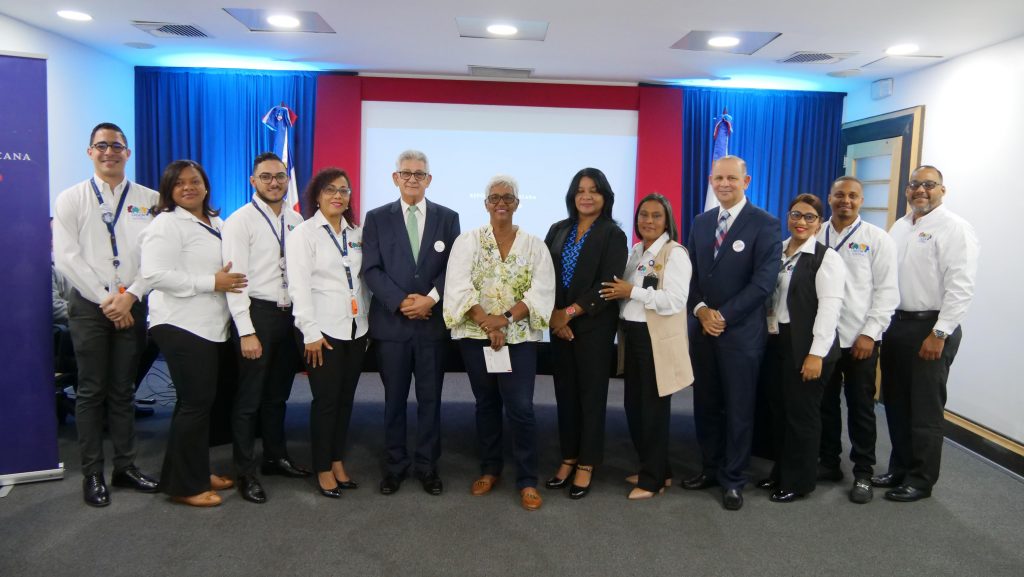
The prominent journalist shared the importance of ethics in regulating moral behavior, both personally and professionally. The General Directorate of Budget (Digepres) concluded "Ethics Week 2024: For a Culture of Integrity" with a meeting featuring renowned journalist Altagracia Salazar, coinciding with National Citizen Ethics Day on April 29. The week-long activities aimed to further promote an ethical culture among Budget Directorate staff. The closing event was led by the Director of the General Directorate of Budget, José Rijo Presbot, accompanied by Deputy Director Ivan Ramírez, Glenny Villanueva, head of the Public Ethics Department of the General Directorate of Ethics and Governmental Integrity (DIGEIG), representing Milagros Ortíz Bosch, as well as department heads, area supervisors, and Budget Directorate staff. The welcoming remarks were delivered by Soribel Medina Lagrange, general coordinator of the Governmental Integrity and Regulatory Compliance Commission (CIGCN) and Governmental Integrity Officer (OIG) of Digepres, who thanked those present for their participation and encouraged them to maintain a firm commitment to ethical values within and outside the institution. In his remarks, Budget Director José Rijo Presbot thanked Altagracia Salazar for her presence, highlighting her as a professional who dignifies journalism and serves as an ethical role model. “Altagracia is a dignified, honest, and hardworking woman, impervious to malice, degradation, irresponsibility, blackmail, bribery, or any of the corrupting influences displayed by some inferior beings who claim to practice ‘journalism,’” Rijo Presbot quoted, referring to an editorial by journalist Fausto Rosario about the reporter. Addressing the audience, Altagracia Salazar explained the situations she faced for practicing journalism ethically, which led her through difficult times. However, she understood that it was the right path if she wanted to practice her profession honestly, transparently, and fairly. “Ethical values never go out of style; the best way to make them visible is through consistency,” she said. “Ethical values make us different and prevent us from being bought,” explained the veteran journalist. Salazar also emphasized that consistency plays a very important role, and that values are not imposed, but rather result from the dedicated effort we put into cultivating them. As part of the closing program, the second episode of the documentary “The Budget in History,” which has six episodes, was released. This episode, titled “Beginnings of the Economy and the Budget in the Dominican Republic,” is an initiative of the Communications Department, contributing to the institutional record of this budget year. During Digepres Ethics Week, the importance of integrity and transparency in government management was promoted both internally and externally within the organization. Special guests and Budget Department staff participated. National Day of Civic Ethics and Institutional Commitment: Every year on April 29, the country celebrates “National Day of Civic Ethics,” and on this memorable day, Ulises Francisco Espaillat, one of the most prominent politicians, is honored. The democratic and honest institutions that the country enjoyed in the 19th century are a symbol of civic integrity and transparency. Digepres, under the leadership of the General Directorate of Ethics and Governmental Integrity (DIGEIG), established its Governmental Integrity and Regulatory Compliance Commission (CIGCN) in compliance with Decree No. 791-21, which declares the implementation and election of Governmental Integrity and Regulatory Compliance Commissions (CIGCN) in all public institutions a high national priority. This marks the first time the Integrity Commission has representatives from all organizational groups, ensuring the participation and commitment of employees at all levels. The event was held in the Juan Bosch Hall at Digepres.
The Latin America and the Caribbean Results-Based Budgeting Network meeting proposes addressing climate change as a commitment of member countries.
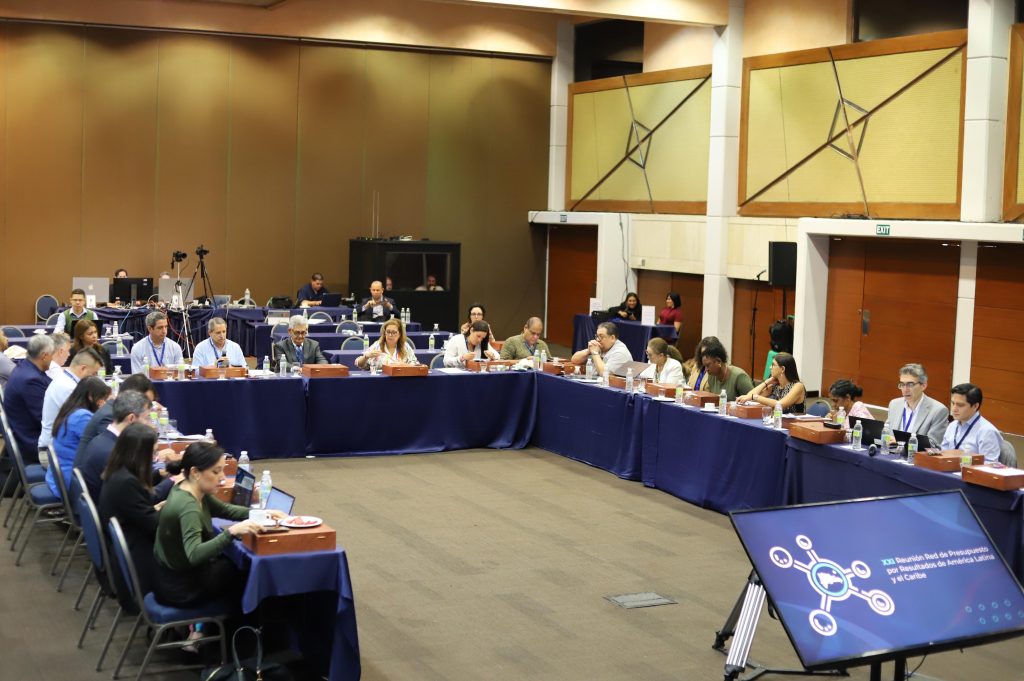
The Dominican Republic hosted this meeting, which brought together representatives from 17 countries and served as the venue for a plenary session and elections. Punta Cana, La Altagracia – The 21st Meeting of the Results-Based Budgeting Network of Latin America and the Caribbean concluded successfully. The meeting convened budget directors and representatives from 17 countries to exchange and leverage best practices, strengthen collaboration among the countries, and develop a work plan for the Network for the 2024-2025 period. The event, held from April 10-12, included the participation of representatives from Argentina, Brazil, Chile, Costa Rica, Colombia, Ecuador, El Salvador, Guatemala, Honduras, Panama, Peru, Paraguay, Uruguay, Barbados, Belize, and Guyana. Teodora Recalde, president of the Results-Based Budgeting Network, delivered the closing remarks, emphasizing the urgent need to address climate change as a commitment of the countries in the region. He also pointed out that “appropriate policies will depend on the individual challenges and circumstances of each country, and their determination always requires in-depth analysis.” Recalde praised the working sessions as a major step forward in the challenge of combating climate change and mitigating its effects. In this regard, he emphasized the creation of new sources of financing for global climate action, so that the budget reaches the people to improve and develop their countries. Finally, he reiterated the commitment of the Network's member countries to “continue investing in strengthening human capital through training, transparency, and accountability.” The presentations on the final day focused on governance in climate action, evaluation methodologies to improve governance by integrating finance ministries into inter-ministerial climate action, challenges and the work plan for the Latin America and the Caribbean Results-Based Budgeting Network for the 2024-2025 period, the Network's sustainability, and next steps. The meeting was attended by staff from the General Directorate of Budget, as the host institution, with the collaboration of the Inter-American Development Bank (IDB); In addition to the Ministry of Economy, Planning and Development (MEPYD), the Ministry of Environment and Natural Resources, the Ministry of Energy and Mines, the National Office for Seismic Evaluation and Vulnerability of Infrastructure and Buildings (ONESVIE), the Commission for the Promotion of Technological Upgrading of the National Irrigation System, the Technical Unit for the Execution of Agroforestry Development Projects (UTEPDA), the National Botanical Garden, and qualified technicians and personnel from the Latin American and Caribbean Results-Based Budgeting Network, the event program included topics related to fiscal challenges for Latin America and the Caribbean in the face of the global climate emergency and the role of results-based budgeting, transparency of climate public policy, progress in identifying climate public spending in Latin America and the Caribbean, how to leverage practices implemented in LAC to have a positive impact on the environment, monitoring and evaluation of climate-related spending and its potential to contribute to mitigating climate change, and the use of advanced information technology in budgeting. El Salvador, Presidency and Host Country. As part of the agenda of the XXI Meeting of the Latin American and Caribbean Results-Based Budgeting Network, held in the Dominican Republic, representatives of the member countries held a plenary session to address important issues related to country management. They also set the date and host country for the next meeting. As a result of the elections, Carlos Salazar was chosen as the new president of the Latin American and Caribbean Results-Based Budgeting Network, and El Salvador was selected as the host country for the next meeting of member countries. Brazil and Uruguay assumed the vice-presidency of the group. By unanimous decision, Teodora Recalde, the outgoing president, was declared president for life of the Network as a way to honor and recognize her work and contributions. The Latin American and Caribbean Results-Based Budgeting Network was created in 2003 to unite the efforts of its member countries, share best practices, and implement improvements in budget management through results-based methodology.
Budget Director highlights the Government's rigorous monitoring of budget execution

Rijo Presbot resaltó el interés del Gobierno de que las unidades ejecutoras manejen con eficiencia y transparencia de los recursos públicos. El director general de Presupuesto, José Rijo Presbot, apuntó que desde el Gobierno del presidente Luis Abinader se da seguimiento riguroso y permanente al cumplimiento de la ejecución presupuestaria para garantizar que sea eficaz, eficiente y transparente en beneficio del desarrollo económico y social de la gente. Durante una entrevista en el programa “Politikal”, transmitido por KQ 94.5 F.M, el director de Presupuesto indicó que dentro de los objetivos primarios en materia presupuestaria está el compromiso con el derecho a la salud y la educación pública de calidad. “Hay un esfuerzo permanente desde el gobierno del presidente Luis Abinader de una mayor inversión en salud, para garantizar ese derecho”, dijo Rijo Presbot. En relación con el sistema educativo consideró que debe ser transformado y eliminar la forma cómo este se desarrolla y aplica en la actualidad. “La educación en la República Dominicana está basada en un formato carcelario porque los muchachos están en trincheras, celdas y son numerados”, dijo el director de Presupuesto en su intervención. Rijo Presbot en líneas generales explicó el panorama y distribución del Presupuesto General del Estado para el año 2024, que, según las declaraciones del director de Presupuesto, el 94% está comprometido con el sector educación, intereses de la deuda, los subsidios a los combustibles, sector energético, social y recapitalización del Banco Central, entre otros rubros. Rijo Presbot concluyó su participación en el programa conducido por Angely Moreno, Hansel García, Jorge Feliz Pacheco, Máximo Romero y Eliseo Almanzar con aspectos vinculados a los supuestos macroeconómicos como el crecimiento del PIB, inflación, tipo de cambio, entre otras variables para el año próximo. Presupuesto General del Estado 2024 Se recuerda que el Senado convirtió en Ley el proyecto de Presupuesto General del Estado para el 2024. Con la aprobación del Senado, el Poder Ejecutivo está listo para promulgar la Ley de Presupuesto General del Estado y utilizar los fondos consignados en el proyecto, principal instrumento de planificación financiera para hacer frente a las necesidades de la población.
Digepres conducts workshop on online implementation guidelines for local governments
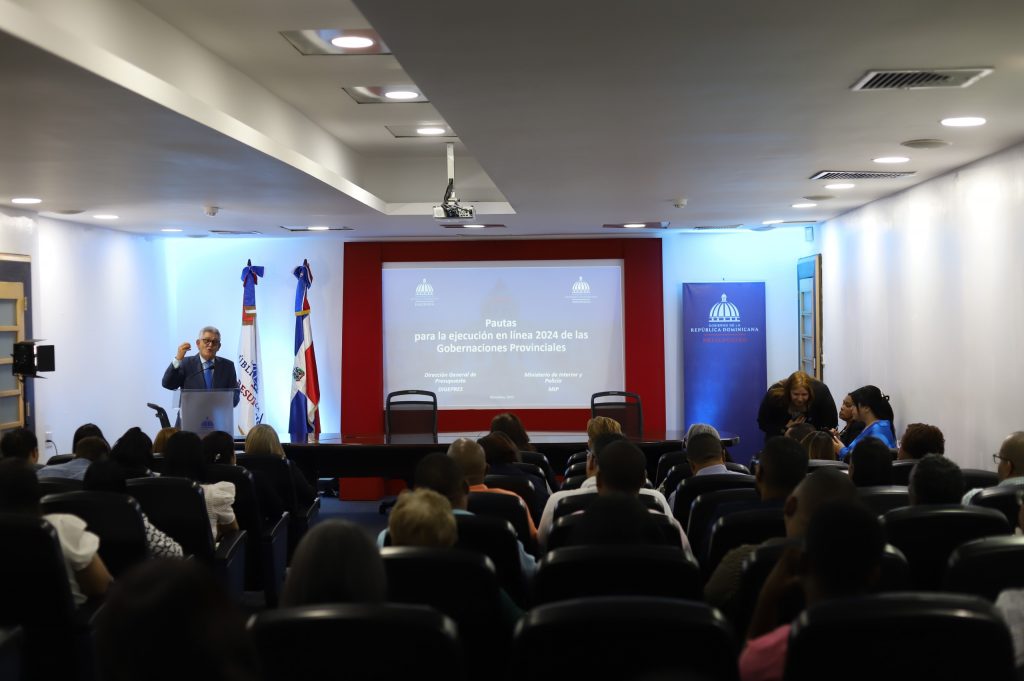
The activity aimed to highlight the importance, protocols, and tools for online budgeting by provincial governments to improve their accountability. The General Directorate of Budget, through its General Services department, conducted the workshop "Guidelines for Online Budget Execution 2024 for Provincial Governments," with the objective of promoting protocols and tools for executing budget procedures online. The meeting also served to present the protocol for the new resource allocation method for these public institutions. The activity was led by José Rijo Presbot, Director of the General Directorate of Budget, and Ángela Altagracia Jáquez Rodríguez, Vice Minister of the Vice Ministry of Preventive Security in Provincial Governments. Also present were Odilys Hidalgo, Head of the Budget Services Directorate; Lidia Castillo, Head of the General Budget Services Department; and Altagracia Polanco, from the Directorate of Management of the Integrated Financial Administration System of the State (DIGES). Noemí Paulino and Ohermi de la Cruz from the National Treasury; and Yaskarina Arias and Juan Villa from the Comptroller General's Office. The welcoming remarks were delivered by José Rijo Presbot, who thanked those present for their participation and explained President Luis Abinader's directive that all implementing units must make their resources transparent through the Financial Management Information System (SIGEF). “Online implementation is a priority for this administration because it allows public institutions to plan, formulate, and evaluate how resources are being used, thus improving their accountability. In our government, transparency is not optional; we must be transparent,” Rijo Presbot told the workshop participants. Along these lines, Rijo Presbot indicated that they also seek to ensure that the resources received by local governments are monitored and properly distributed, and that they undergo a process of decentralization and deconcentration so that specific programs are implemented at the provincial level rather than centrally. For her part, Ángela Altagracia Jáquez Rodríguez, Vice Minister of the Vice Ministry of Preventive Security in Provincial Governments, spoke about the importance of provincial governments due to their close connection with citizens. “These entities must be strengthened, demonstrating their ability to manage online and adapt to the new needs of the government,” Jáquez emphasized. Lidia Castillo, head of the General Services Department of the Budget Office, who was part of the event's coordination team, encouraged participants to become familiar with the topic and thanked the Ministry of the Interior and Police for its support in this educational process. The activity was held in the Juan Bosch Room of the Budget Office with the participation of 73 public servants from 31 Provincial Government Offices, as well as Budget Office staff such as María Victoria Ortiz, head of the Standards and Methodologies Department; Patricia Perdomo, head of the Ministry of Defense Division; Violeta Hernández, from the Ministry of the Interior and Police; and Budget Analysts Gilma Ogando Lewis Rosa and Liomar Jon. Multi-Year Results-Oriented Budget Project with Dynamic Modality It is recalled that the General Directorate of Budget presented to various authorities the main characteristics and attributes of the new Multi-Year Results-Oriented Budget Project with Dynamic Modality, as part of the actions that promote strengthening the efficiency and quality in the management of public resources through the elaboration of a conceptual, functional model and the technological development for the new Dominican budgetary system, incorporating multi-yearity and dynamic attributes throughout the budget cycle.