

 EN
EN  ES
ES Budget Director: “In 3 years the Government has addressed social debts that have accumulated over 30 years”
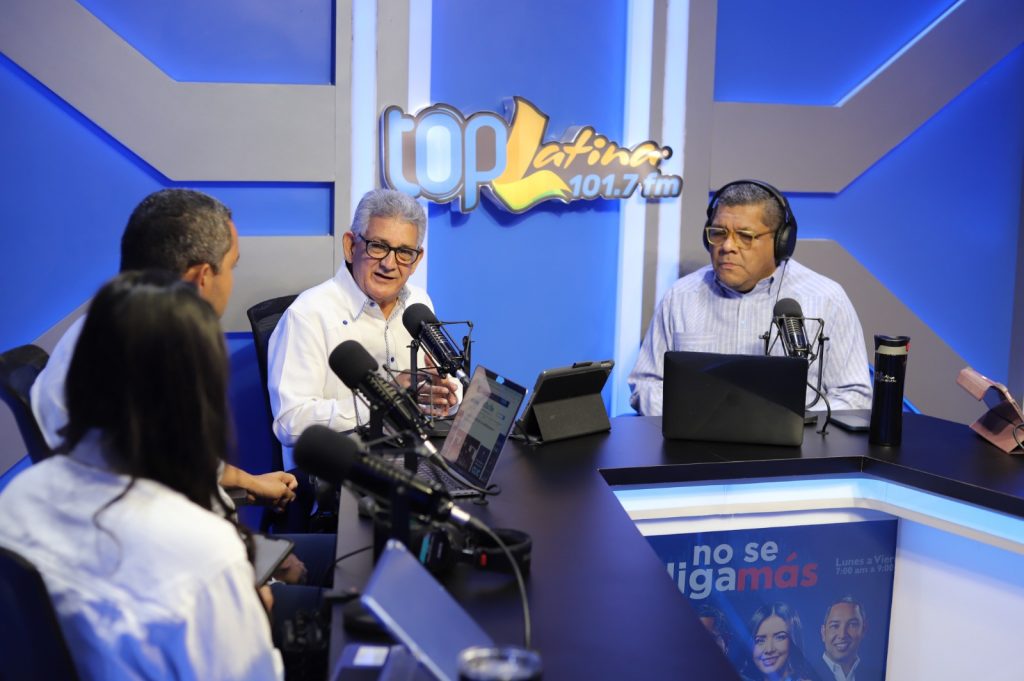
Rijo Presbot announced that the revised 2023 Budget will allow for increased capital spending and will focus on land infrastructure, water, and housing as pillars of the government's social policy. The Director General of the Budget, José Rijo Presbot, assured that the resources to be incorporated into the revised Budget, already approved by the Finance Committee, will boost the economy given the low inflation rate, which has remained below 41% per 100,000 for the past three years of the administration. According to Rijo, this will allow for the management of more resources by the end of the year and an increase in imports due to the capital injection. He added that the largest investment in the revised Budget is related to land infrastructure, water, and housing. “For the Ministry of Public Works, there is an increase of approximately RD$1,444,160 billion as an executing unit, but as a budget item, it has approximately RD$1,444,200 billion, because that includes OPRET with the second Metro line, which has a significant increase,” he emphasized. On the other hand, Rijo Presbot pointed out that the Ministry of Housing is slated for an increase of approximately RD$1,444,500 billion; and that RD$1,444,000 will be allocated to complete important water-related projects through the National Institute of Drinking Water (INAPA). “In other words, everything is geared towards housing, water, and infrastructure with capital investment,” added the Budget Director. He highlighted the investment made in the development of Montecristi and Pedernales as one of the achievements of this administration. “We are responding in three years to such a challenging situation as the one we have faced, addressing 30 years of accumulated social debt,” stated Rijo Presbot. “We have maintained a deficit target of 31.3 trillion pesos (TP3T), and from 2021 to 2023 the average is 31.3 trillion pesos. In contrast, from 2017 to 2019 the average was 3.51 TP3T. Those from the past cannot speak to me about the level of indebtedness because they incurred more debt and used it for illegal expenses.” He assured that this modification to the Budget, through the Reformulated Budget, will allow for an increase in capital spending of approximately RD$1.44 trillion by the end of the year. Impunity, an opportunity for corruption. The elimination of administrative debt and illegal borrowing are among the achievements of this administration cited by José Rijo. As he explained, from 2021 to 2023, thanks to the implemented control measures and compliance with regulations, all planned expenditures have consistently had budgetary backing. He noted that both the Procurement and Contracting Portal and the Financial Management Information System (SIGEF) now work in coordination to guarantee the budgetary allocation of tenders, and this, he attributed, to the trust of contractors and suppliers in the government. He reiterated that current controls and levels of transparency reinforce the certainty that any official who engages in acts of corruption will face the consequences. “Now everything is known. Before, it wasn't, because impunity provided an opportunity for corruption,” he pointed out. In that vein, Rijo Presbot asserted that “this is a sensible, intelligent people, who believe they can be deceived, but that's not the case. There needs to be a clear understanding that impunity cannot return, the independence of the Judiciary and the Public Prosecutor's Office must continue, and there must be greater transparency in the management of public resources.” José Rijo Presbot, Director General of the Budget, made these statements during an interview on the program “No se diga más” (Let's Not Say Anymore), hosted by Alexander Barrios, Karina Alarcón, Odette Hidalgo, and Máximo Romero, which airs on Top Latina FM.
Rijo Presbot: “Never before has the budget been so transparent.”
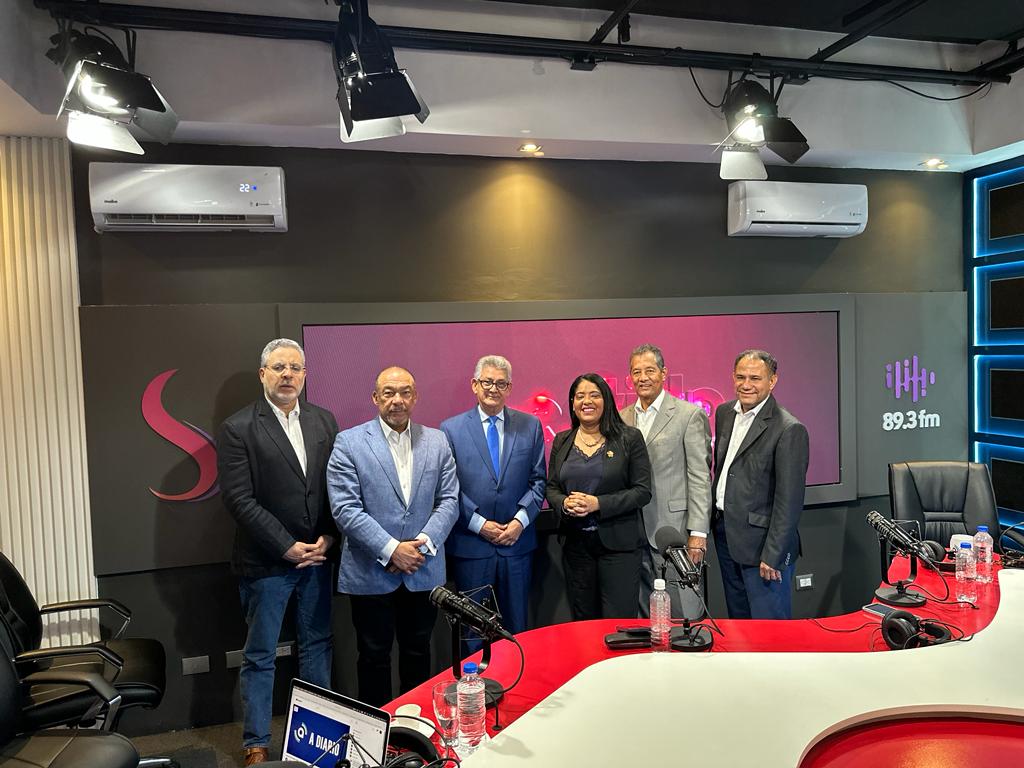
The Director of the Budget Office highlighted the country's performance in terms of the economy and growth, asserting that the Luis Abinader administration has accomplished more with fewer resources, despite the challenging circumstances and the international landscape. The Director General of the Budget Office, José Rijo Presbot, praised the progress made in this budget management, particularly in terms of transparency and the fight against corruption. He noted that the current administration has focused on strengthening controls to prevent waste and illegal borrowing. "We have achieved third place in the region for budget transparency and ninth place out of 120 countries evaluated, because our fundamental principle is transparency and adherence to the law," stated Rijo Presbot. He also emphasized that, due to the established control and monitoring measures, it is impossible to conduct a bidding process without the necessary budget allocation, as the Procurement and Contracting Portal is connected to and registered with the Financial Management Information System (SIGEF) portal. According to the Budget Director, despite the challenging situation from 2020 to 2022, the Dominican Republic has been recognized by international banks, by the International Monetary Fund (IMF), and has been the only country whose risk rating improved, despite the pandemic and its effects. Regarding public investment, Rijo made a historical comparison, stating that, “in terms of water, between 2018 and 2019, the governments of Fuerza del Pueblo and the PLD only invested RD$1,441,700; in contrast, despite facing a challenging situation, not only in terms of the pandemic, but also the impact of the war between Russia and Ukraine and all the imported inflation, between 2021 and 2022 we invested RD$1,441,360,000 in water; in housing, the governments of Leonel and Danilo invested RD$1,441,840,000 in two years, and we, between 2021 and 2022, invested RD$1,441,600,000,000.” He added that in land infrastructure alone, investment exceeded RD$301,300 over the previous two years, even though there was neither a pandemic nor a war during those years. “This government doesn’t know how to spend on corruption.” The Budget Director revealed that the old practice of incurring administrative debt has ceased under this administration and explained the increase in these illegal debts from 2010 to August 2020. “To give you an idea, in 2010 the administrative debt was RD$1,443 billion; in 2017, RD$1,448 billion; in 2018, it rose to RD$1,445 billion; in 2020, it reached RD$1,446 billion, and all of this was done in violation of the Budget Law.” According to Rijo, this represented, on average, RD$251,330 billion in debt incurred by the previous government. He recalled that from January 1, 2020, to August 14 alone, RD$1,446.2 billion in illegal debt was incurred, debt that was not generated through the budgetary process. Rijo stated that "this government doesn't know how to spend on corruption." The level of indebtedness began in 2008. Rijo explained that the debt, as a result of the deficit, began in 2008 with the reelection of Leonel Fernández and due to non-compliance with the National Development Strategy Law, which mandated the Fiscal Pact. "In 2008, with the reelection of Leonel Fernández, the accumulation of needs began because there were more expenses than income, and as an act of government irresponsibility, they should have complied with the law mandating the fiscal pact in 2015. It wasn't approved because it didn't benefit Danilo's reelection in 2016, and that affected all fiscal policy for the following years," Rijo Presbot stated. He estimated the deficit and debt level between 2017 and 2019 at 3.51% of GDP, while between 2021 and 2023, the deficit has remained at an average of 31%, despite the aforementioned circumstances. He stated that, although Congress authorized borrowing RD$1.363 billion this year, the financing need has been reduced to RD$1.333 billion due to internal savings, efficient spending management, and improved revenues—a reduction of RD$1.66 billion for this year. Rijo's statements were made during an interview on the radio program "A Diario," hosted by journalists Christian Jiménez, Pablo McKinney, Rosario Medina, Francisco Arias, and Julián Roa, which airs on Sentido 89.3 FM, part of RCC Media.
Dominican delegation travels to Colombia for exchange of experiences and best practices in budget management
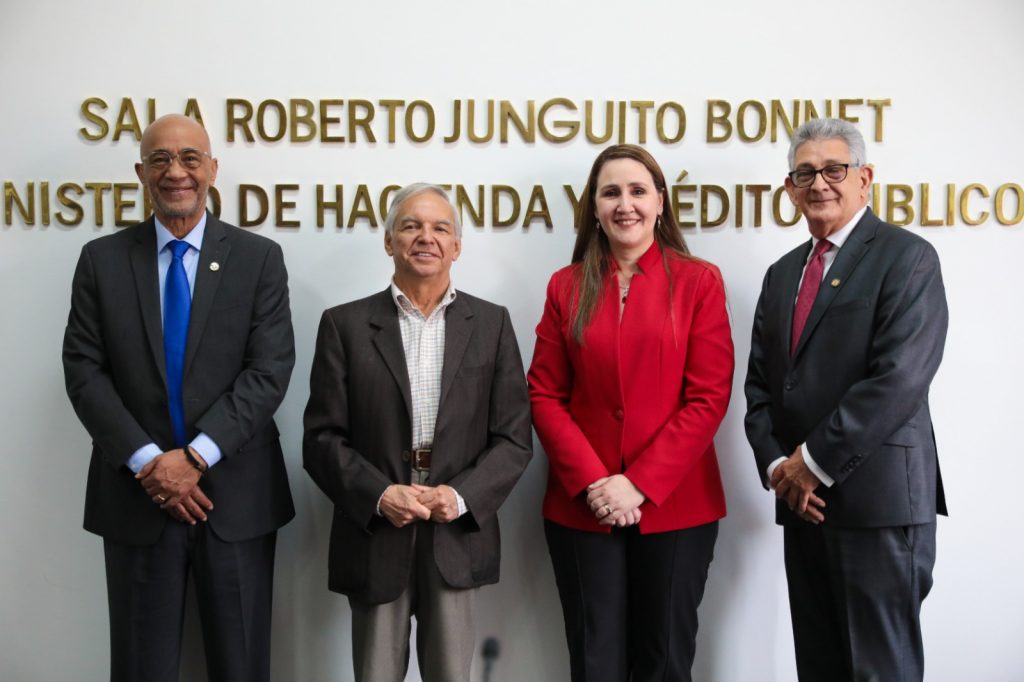
The mission, led by the Director General of the Budget, José Rijo Presbot, held meetings with the Minister of Finance and Public Credit and the Director General of the National Budget of Colombia. Bogotá, Colombia – The visit of representatives from the General Directorate of Budget (Digepres) to the Ministry of Finance and Public Credit of Colombia concluded successfully. This visit was part of an exchange between the two countries to share experiences and best practices in budget management. José Rijo Presbot, Director General of the Budget, along with the accompanying Dominican delegation, met for three days with Ricardo Bonilla, Minister of Finance and Public Credit, and Claudia Marcela Numa, Director General of the National Public Budget, to review the economic outlook of both countries with the aim of applying this knowledge to the redesign of economic processes. The public entities developed a common agenda that included addressing issues related to the functioning of Colombia's budget system, budgetary standards and methodologies; the operation of public companies in Colombian territory; transparency, social oversight, and citizen participation. Likewise, they discussed aspects related to the interoperability of processes and the financial management system; and Results-Based Budgeting, which seeks to promote more effective management of public spending by linking the allocation and use of resources to the performance results of the institutions. The meeting included details of implemented strategies and analyses from the Dominican and Colombian governments, related to the topics presented by staff from both institutions. The Dominican delegation accompanying the Director of the Budget included Elvis Eusebio Abreu, Coordinator of the Advisory Committee and Special Projects; Griselda Gómez, Director of Quality and Evaluation of Budgetary Management; and Odilys Hidalgo, Director of Budgetary Services. María José Castro, specialist in Quality and Evaluation of Budget Management, and Andrea Candelario, in charge of Business Processes and DIGEPRES-SIGEF liaison. Also participating were Martín Francos Rodríguez, Director General of Public Investment at the Ministry of Economy, Planning and Development; Camila Hernández, Director of Fiscal Analysis and Policy at the Ministry of Finance; and Yulisa Benzán, Analyst of Tax Studies and Policies at the Directorate General of Tax Policy and Legislation (DGPLT) of the Ministry of Finance. Colombia, as a benchmark for planning, monitoring, and evaluation. The selection of Colombia as the destination for this exchange of experience and best practices is primarily due to its robust system of planning, monitoring, and evaluation integrated into the medium-term budget. Furthermore, Colombian budget management serves as a model and benchmark for the medium-term spending framework, and the country has sectoral programs applied to investment spending, with a solid structuring of investment projects. During the bilateral meeting, Colombian authorities acknowledged the Dominican Republic's economic and financial achievements and commended its progress in transparency and public accountability. The Dominican Republic ranks third in the region for budget transparency and ninth out of 120 countries, as evaluated by the International Budget Partnership (IBP).
Rijo Presbot highlights good performance in budget execution for 2023 and reiterates that the Government maintains savings and control of spending

The Director General of the Budget, José Rijo Presbot, announced that work is already underway on the 2024 budget policy and the transformation of the SIGEF (General State Budget System). He highlighted that this year's budget execution has progressed in accordance with the estimates in the General State Budget and praised the planning involved in formulating the document to allocate funds to institutions. "The 2023 budget execution is going very well, because in terms of revenues, compared to the estimate, we have 99.61% execution; regarding capital expenditures, we have 871% execution compared to the budget for the period; while current expenditures are at 841%," Rijo Presbot stated. Similarly, he stated that capital expenditures have been executed more than planned and reiterated that, as a cost-saving and control measure, certain expenses remain restricted, such as those related to furniture and real estate. According to the Budget Director, these represent only 11.3 trillion pesos of total expenditures, and of the 26 billion pesos budgeted, only about 6 billion pesos have been spent. Rijo added that the same control is maintained in the purchase of materials and supplies, of which only 16 billion pesos have been spent out of a budget of 63 million pesos, representing 31.3 trillion pesos of total expenditures and an execution rate of 271.3 trillion pesos. He further indicated that the revised budget will only require adjustments based on the goals and performance of the institutions. He also asserted that the construction sector is the area with the greatest demand for the revised budget. The Budget Director reiterated that from day one, President Luis Abinader's administration has established sufficient controls to prevent the diversion of resources to expenditures not aligned with tangible targets. He highlighted the collaborative effort between the Budget Directorate (Digepres), the Procurement and Contracting Office, the Comptroller's Office, the Treasury, and the Government Accounting Directorate to ensure that no official engages in outdated illegal practices. He recalled that previously, expenditures not included in the budget were executed, and because they lacked appropriation certification, they were carried over to the following year as a reduction in accounts payable or administrative debt. "That is no longer possible," Rijo Presbot emphasized, "because the control stems from the General State Budget Law itself, which includes an article stipulating that any official who executes expenditures outside the budget and generates administrative debt will have to pay it with their own personal assets." A New SIGEF: Digepres Project. The Director General of the Budget announced that a project is underway to implement significant changes to the Financial Management System (SIGEF) in order to improve budget formulation and increase transparency regarding the goods and services that each institution provides to citizens. “We have defined this project as a Multi-Year Results-Oriented Budget with a Dynamic Approach, which is an improvement to SIGEF, a transformation of the conceptual, functional, programmatic, and geographical aspects of the General State Budget,” he noted. The project has the support of the Inter-American Development Bank (IDB) and, according to Rijo, among other major advantages, will allow for greater unification of planning with the budget. In an interview on the morning show Uno + Uno, alongside journalists Milizen Uribe and Stalin Montero, Rijo announced that they are already working on the 2024 budget. “In fact, no later than June 30, the Ministry of Finance, headed by Minister Jochi Vicente, will deliver the budget policy for next year to the president, so that the Council of Ministers can discuss and approve it no later than July 9,” stated the Budget Director. The General Directorate of Budget, through its institutional website Digepres.gob.do, provides the public with the Budget Calendar, a tool that allows users to track each stage of the General State Budget cycle. Additionally, every Tuesday, it publishes the Budget Execution Report on its social media accounts, @DigepresRD, to provide insight into how the central government manages public resources.
Local Governments: DIGECOG offers awareness workshop to 102 mayors and municipal directors
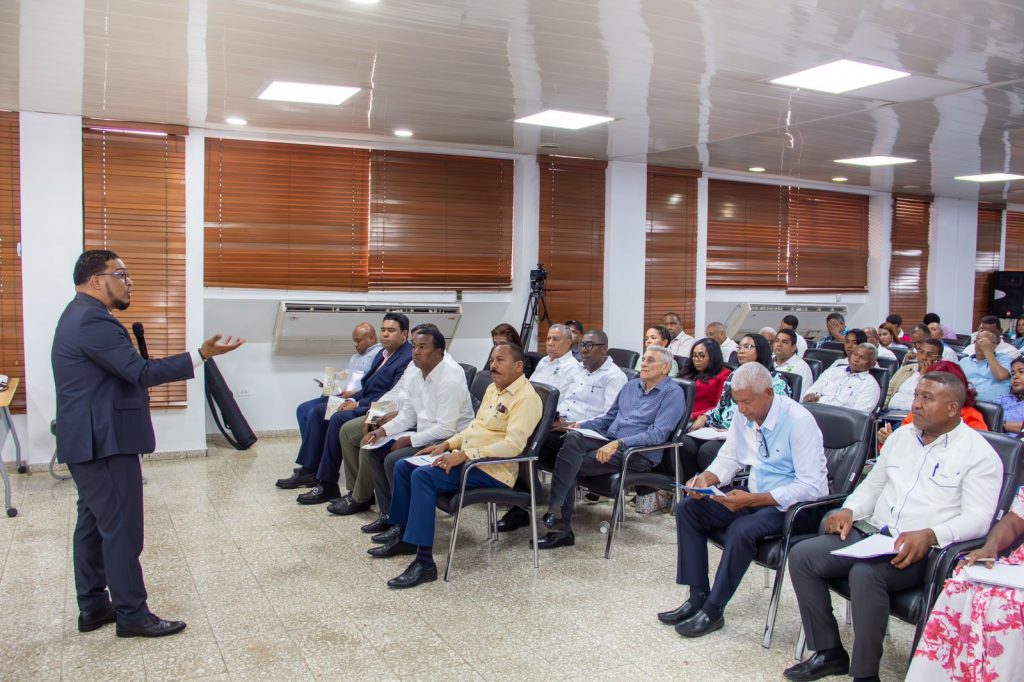
The DIGECOG initiative is part of the Government's efforts and the current budget management to strengthen municipalities and transparency. The General Directorate of Government Accounting (DIGECOG) offered an awareness workshop to 102 mayors and municipal district directors on the importance of organizing the government accounting system in local governments. The welcoming remarks were delivered by the entity's director general, Rómulo Arias Moscat, and the director of Accounting Processing and Financial Statements, Wandy Hierro Núñez, who echoed the official's words regarding the effectiveness of the SIGEF (Integrated System of Governmental Financial Management) for the accurate accounting of finances in their respective municipalities and throughout the public sector. The Director General of Digecog, Rómulo Arias Moscat, emphasized the need to streamline processes, adhere to the law, and automate practices using programs like the Financial Management Information System (SIGEF), which serves as a tool for the financial administration of local governments, facilitating harmony and efficiency in their operations. The talk featured a presentation by Zuniel De La Cruz, head of the Consolidation Department, and was aimed at mayors and municipal directors from Santo Domingo, Azua, Bahoruco, Barahona, Duarte, El Seibo, Elías Piña, Espaillat, Hermanas Mirabal, Independencia, La Altagracia, La Romana, La Vega, María Trinidad Sánchez, Santiago Rodríguez, Samaná, and Puerto Plata, among others. The activity was led by the Local Governments Division of the Consolidation Department of the Accounting Processing and Financial Statements Directorate of DIGECOG (General Directorate of Budget) and was carried out with the objective of disseminating information on the treasury and asset management of local entities, as established by Law 126-01, which created the institution. DIGECOG Initiatives and Strengthening Local Governments: With the start of the current budget year, it was determined that local governments needed to be strengthened in order to continue reinforcing transparency, efficient spending, and internal savings, as a priority of President Luis Abinader's administration. The General Directorate of Budget has undertaken numerous efforts in conjunction with this DIGECOG initiative, including training and direct work in the field with local authorities and civil society; as well as a pilot plan to implement changes and improvements to the programmatic structure of municipalities, allowing for greater transparency and detailed reporting of budget execution.
Budget Director presents Dominican Republic's budget management progress to IMF mission
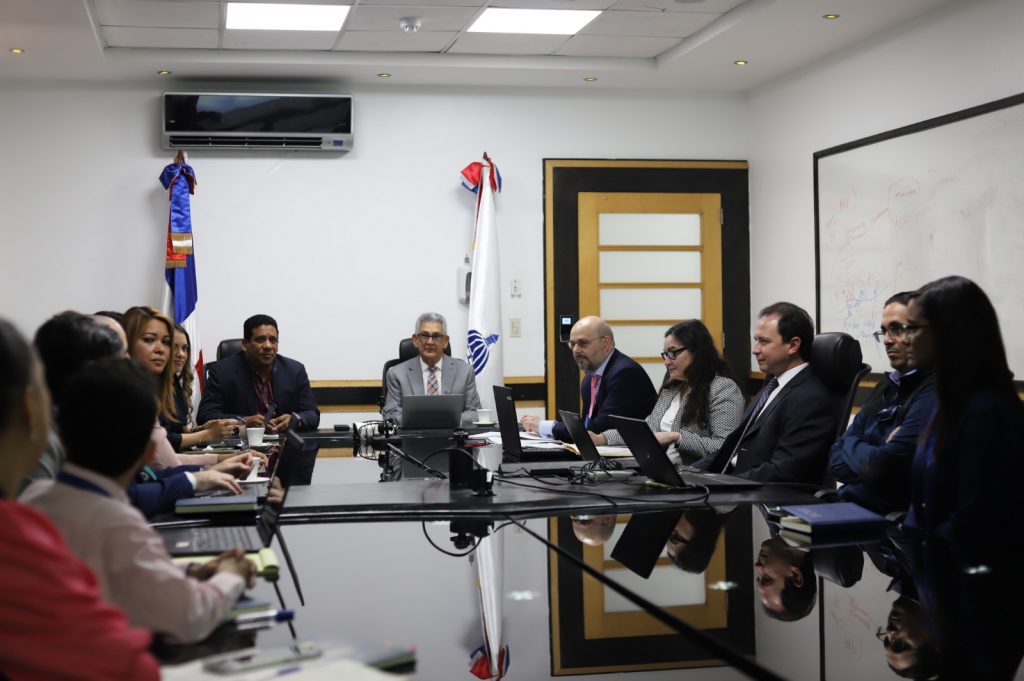
Carlos Pimentel, Director of Public Procurement, along with Rijo Presbot, led the meeting. They reiterated that indicator evaluations show the government's measures are effective in benefiting the most vulnerable. Representatives from the General Directorate of Budget (Digepres) and the International Monetary Fund (IMF) held a meeting to monitor the Dominican Republic's economic activity. José Rijo Presbot, Director General of Budget, and Carlos Pimentel, Director General of Public Procurement, jointly received the IMF mission, which included Emilio Fernández Corugedo and Pamela Madrid. During the meeting, Rijo Presbot provided a general overview of the country's economic performance and the short-term outlook for the Dominican economy, including challenges, tools, and reforms implemented by President Luis Abinader's administration to strengthen transparency and integrity and promote citizen participation. He detailed the government's response to the effects of Hurricane Fiona on the Dominican Republic and the fuel costs resulting from the conflict between Russia and Ukraine. “This scenario increased the deficit from 3% to 3.6%, however, we ended up below that latter figure, and we covered all the effects of Hurricane Fiona without resorting to debt, using only existing resources,” explained Rijo Presbot. Meanwhile, Fernández Corugedo from the IMF directed questions toward the distribution of spending, social investment, budget management, fiscal matters, the multi-year budget, and the prevention and control of corruption. The Budget Director referred to administrative debt, an outdated practice eliminated by this administration. “An article in the Budget Law states that no official can enter into a transactional agreement that generates administrative debt, and anyone who does so must pay it with their own assets,” reiterated Rijo Presbot. He also added that, in the Transactional Portal for Purchases and Contracts, when a project, good, or service is awarded, the money is already reserved precisely to avoid generating administrative debt. Rijo Presbot also outlined the government's subsidy measures for the electricity, transportation, agricultural, and other social sectors to address fuel prices and prevent them from impacting Dominican families. He stated that the evaluation of indicators shows these measures have benefited the country's most vulnerable populations. Pimentel, for his part, explained the work carried out by his institution related to the Financial Management Information System (SIGEF). "The Ministry of Finance, through resolution number 157-2022, announced the automatic integration of the Expenditure Module of the Financial Management Information System (SIGEF) with the Electronic Public Procurement System (SECP), to improve the procurement process in public institutions," Pimentel emphasized. Rijo Presbot referred to the Budget Management Index (IGP), explaining that this tool measures quarterly the degree to which institutions carry out effective, efficient, and transparent budget management. He highlighted work aimed at local governments in the areas of the environment and gender. Finally, he stated that DIGEPRES has encouraged citizen participation and social oversight with initiatives such as Citizen Budget, which offers a more streamlined explanation of the General State Budget, and Citizen Meetings, which facilitate engagement with organized civil society. IMF: Positive Government Measures The International Monetary Fund (IMF), in its May 2022 report, presented the conclusions of the 2022 Article IV Consultation, assessing the measures taken by the Dominican government to protect the population from external inflationary pressures as positive. Also participating in the event on behalf of DIGEPRES were Odilys Hidalgo, Sorangel González Díaz, Juan Portalatin, and Luis Antonio Rodríguez. In addition, Ruth Henríquez, Katherine Gutierrez, Aldo García and Mabel Infante from Public Procurement.
Rijo Presbot: The first half of 2023 is a time for observation, prudence, and control of the General State Budget.
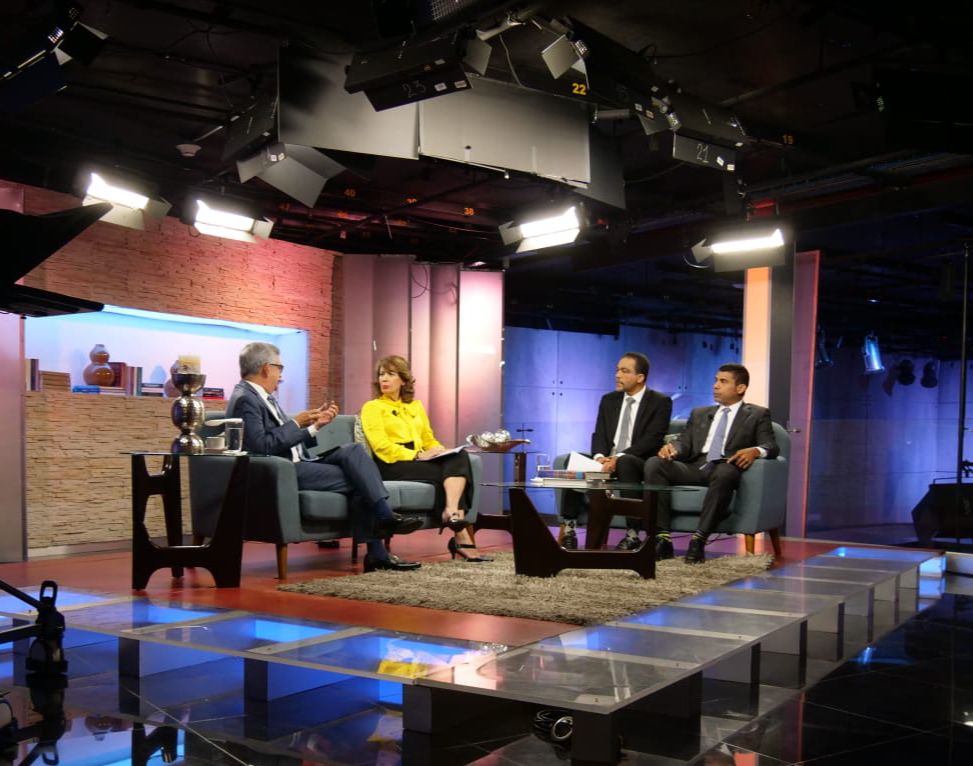
For the first time in history, the submission of the Consolidated Budget for the first six months of 2023 is being considered. The Director General of the Budget, José Rijo Presbot, ruled out any modification to Law 366-22, the 2023 General State Budget, before July 1st, the date established by Law 423-06 for amending the legislation. He also stated that "this first semester is for observation, prudence, and continuing to restrict non-priority spending." In this regard, Rijo Presbot reiterated that the Budget is a law that establishes the maximum limit that authorities can spend; however, if revenues decrease, so do expenditures, because programming is based on revenues. He assured that the Government remains firm in its compliance with the Law and in exhausting each of the established processes for the rational and transparent management of State resources, and reiterated that no expenditure can be executed without the corresponding appropriation certification. “We have ensured that the transactional procurement portal, where tenders are uploaded, is read by the SIGEF system in such a way that when a project, good, or service is awarded, the money is already reserved in advance, preventing the generation of administrative debt,” added Rijo Presbot. He highlighted the elimination of administrative debt as a key achievement of this administration and contrasted the current situation with the practices of past governments. “In 2018, 2019, and 2020, we had to borrow over 150 billion pesos in administrative debt, representing 241% of the total debt incurred during those years. Last year, administrative debt only represented 11% of the total debt.” He also asserted that, despite the global economic crisis, the implementation of fuel subsidies since March of last year has mitigated the effects of inflation in the Dominican Republic. “If we hadn't invested RD$1,443,800 million in fuel subsidies, inflation would have been around 181% and ended up at 7.8%,” and pointed to the collapse of banks like Silicon Valley Bank as a clear indicator of a war economy. Regarding the Consolidated Budget, Rijo Presbot highlighted the work of the General Directorate of Budget, which for the third consecutive year delivered the Consolidated General State Budget for the current year to the National Congress before February 27th. He also announced that the Digepres team of economists is considering the possibility of, for the first time in history, delivering a Consolidated Report in July covering the first half of the year. Similarly, he reported that work is underway on creating a new Programmatic Structure for Local Governments that will allow for understanding the actions taken by municipalities, the resources they use, and the impact on people's quality of life. “People need to know how much is being invested in each town, because they only see investment from the perspective of physical infrastructure, but what about, for example, the cost to the country of the number of teachers, doctors, and public safety in a given area?” explained the Budget Director. José Rijo Presbot made these statements during an interview on the morning program “El Despertador,” which airs on Noticias SIN and is hosted by journalists Ana Mitila Lora, Esteban Delgado, and Diógenes Pina.
Digepres presents Budget Management Performance Evaluation Report: institutional response level was 95% in 2022
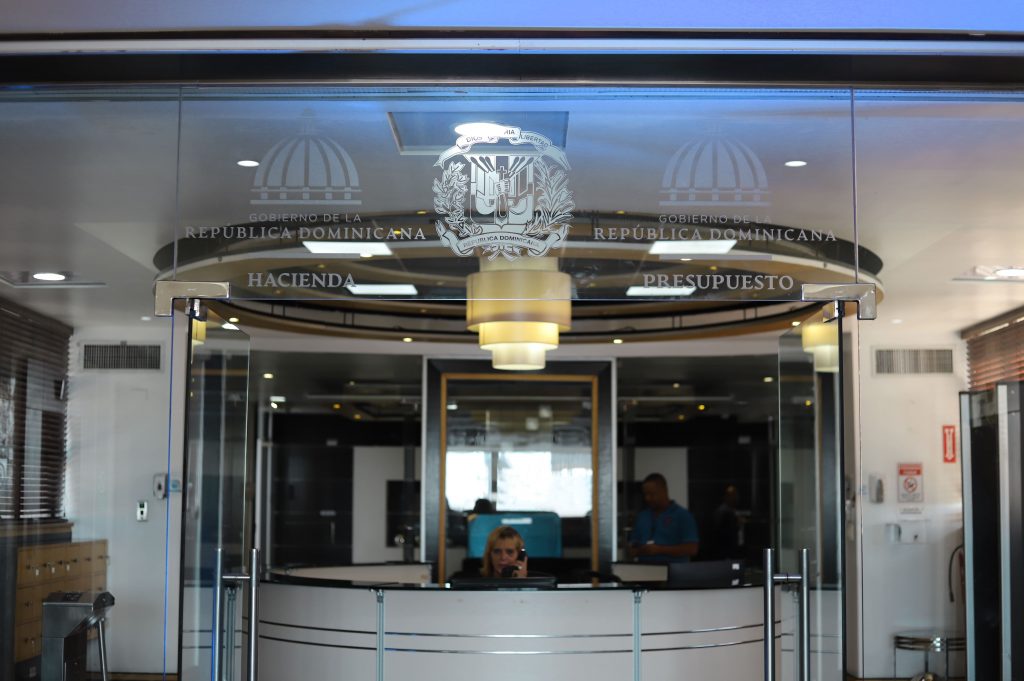
The document reflects the budget execution process of institutions within the Integrated Financial Management System (SIGEF) through a self-assessment and monitoring process. To ensure the efficient and transparent use of budgets and the improvement of budget management processes in state institutions, the General Directorate of Budget is publishing, for the second time, the Annual Performance Evaluation Report for the 2022 fiscal year. The document reflects the institutional self-assessments and records maintained by institutions within the Integrated Financial Management System (SIGEF) and summarizes the results of physical compliance, its relationship to expenditure execution, and the resulting effects. According to the document, as of the close of fiscal year 2022, the institutional response to the self-assessment process was 195 reports from the 206 participating Implementing Units, representing 95.1% coverage. The report for the past year also shows improvements in budget performance following the implementation of an enhanced version of the Budget Management Indicator (BMI), rising from an average score of 76.26% at the beginning of the year to 85.96%. Regarding Results-Oriented Budget Programs, it demonstrates progress in the final results indicators of eight programs designed under this methodology. Challenges Turned into Opportunities: Among the findings of the Annual Performance Evaluation Report for the 2022 management period, the document highlights the strengthening of institutional capacities to better align institutional budgets with operational planning during the execution phase, thereby reducing the number of budget modifications associated with outputs. In physical and financial terms, a noteworthy aspect is the creation of monitoring mechanisms to ensure due process for reprogramming and adjustments to physical and financial targets, according to established deadlines, especially those resulting from budget modifications, including internal resources or donations. Regarding Results-Oriented Budget Programs, it suggests reviewing the final and intermediate outcome indicators defined in the design of these programs and considers the new guidelines established to ensure timely and accurate progress information. Legal Framework and Compliance with the Law The Annual Budget Performance Evaluation Report is prepared pursuant to Articles 59, 60, and 61 of the Organic Budget Law for the Public Sector No. 423-06, as well as Paragraph IV of Article 50 of the implementing regulations approved by Decree No. 492-07.
Digepres concludes Water Week with a talk on its importance and sustainable management
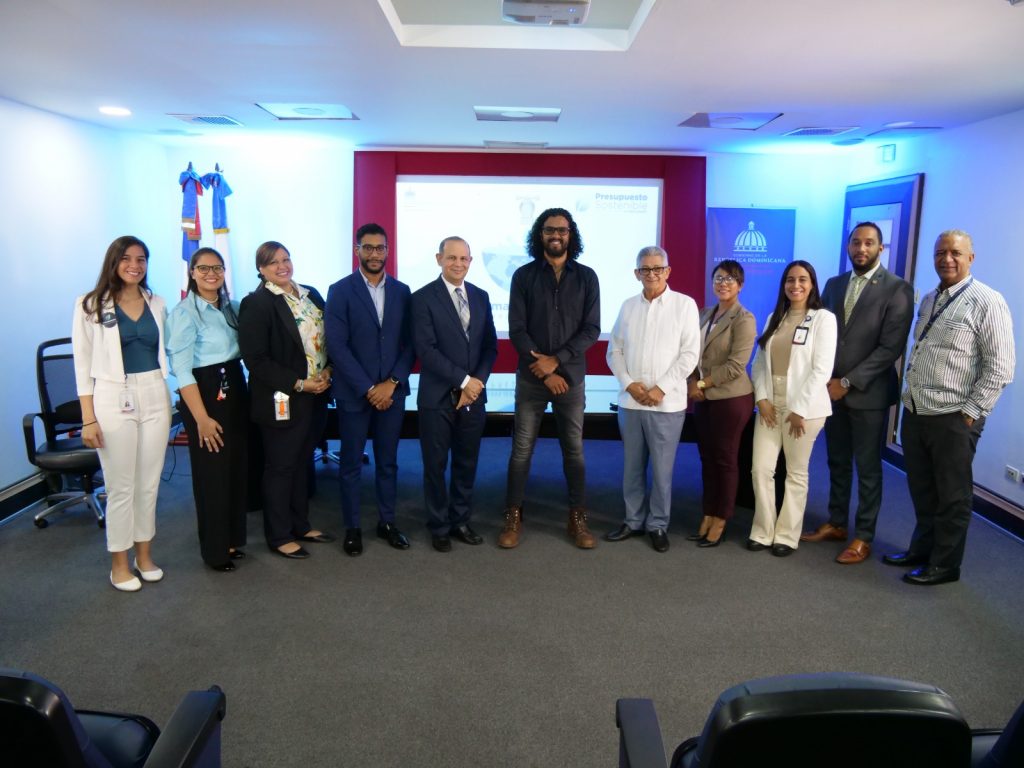
Through its Sustainable Budget project, the institution seeks to raise awareness about the importance of water resources, their availability, and recommendations for their conservation. With the aim of raising awareness about the protection of water in all its diversity, the General Directorate of Budget held a talk entitled "Water, Sustainability, Resilience, and the Role of Citizens," aimed at the institution's staff. The activity sought to discuss and reflect on the socio-environmental problems that arise from failing to promote its conservation and care. The welcoming remarks were delivered by the Director General of Budget, José Rijo Presbot, who thanked the speaker and attendees for their presence. He also stated that the institution is promoting efforts to implement an environmental sustainability policy both internally and externally through the Sustainable Budget project. During his speech, Rijo Presbot emphasized the importance of water preservation and conservation, highlighting its fundamental role as a resource for life and the actions taken by President Luis Abinader's administration to ensure that water reaches every Dominican. “From a budgetary standpoint, we have compared water investments in 2018 and 2019 with those of 2021 and 2022, and there has been a 104 percent increase; this means that 2.2 million Dominicans now have access to tap water,” said Rijo Presbot. He added that communities that had lacked access to this precious resource for over 30 years now have access to aqueducts. He also highlighted the incorporation of the National Institute of Drinking Water and Sewerage (INAPA), the Santiago Water and Sewerage Corporation (CORAASAN), and the Santo Domingo Water and Sewerage Corporation (CAASD), among others, into the Financial Management Information System (SIGEF) as another achievement in the water sector; this will ensure transparency and institutional integrity in the management of water resources. The talk, entitled “Water, Sustainability, Resilience, and the Role of Citizens,” was given by architect, environmentalist, and social activist Ico Abreu, who began his presentation by establishing criteria on the topic of sustainability and its importance. He then addressed the issue of water, highlighting how it is obtained and disposed of, and its contamination by discharges from human and industrial activity. “Addressing the issue of conservation and protection of drinking water and rivers is a civic and state responsibility for their sustainability,” Abreu stated. He explained in detail the water treatment process, sanitary criteria and quality parameters for human consumption, and the use, management, and handling of wastewater, including black and grey water. Abreu also highlighted other environmental issues related to international agreements concerning water resources and their management, gas emissions, climate change, the global green movement, and ways to contribute individually and collectively to environmental sustainability. Sustainable Budgeting: It is worth recalling that the General Directorate of Budget (Digepres) presented the Sustainable Budgeting project in February with the aim of raising awareness among the institution's employees and the general public about the importance of protecting the environment. The event, held in the Juan Bosch Room at the Budget Office, was also attended by the Deputy Director of Budget, Iván José Ramírez Vargas; Francisco Manuel Abreu Páez, Head of the Human Resources Department; project managers; and other staff members.
Budget Office receives IMF mission: They present progress and efficient performance of budget management in the Dominican Republic
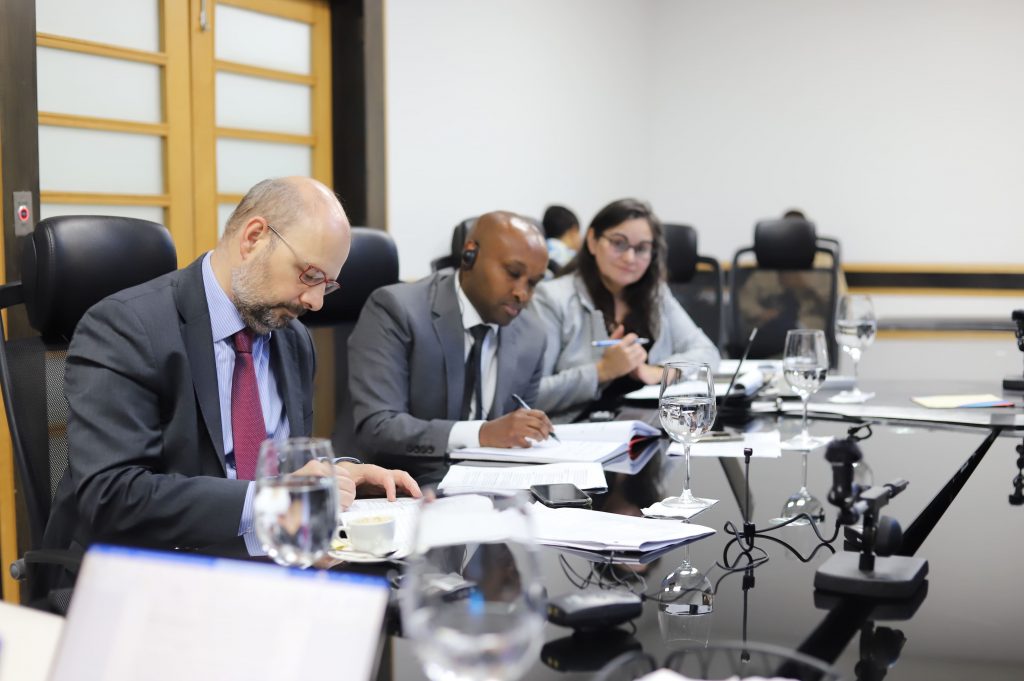
José Rijo Presbot, along with a team of technicians from the Budget Directorate (Digepres), reviewed the achievements and goals of the Budget; they highlighted government measures to mitigate the effects of international conflicts. The Director General of the Budget, José Rijo Presbot, and the Deputy Director, Iván Ramírez, led a meeting with the International Monetary Fund (IMF) mission currently in the country to monitor the performance of the Dominican economy. The visit of the delegation, comprised of Emilio Fernández, head of mission; Pamela Madrid, fiscal specialist; and Hassan Adan, fiscal specialist assigned to the Dominican Republic, served to address some of the IMF's concerns regarding institutional operations. Rijo Presbot briefed the IMF team on the work related to the Organic Budget Law for the Public Sector and outlined the measures taken by President Luis Abinader's administration to ensure that the increase in fuel prices, due to imported inflation, does not directly impact Dominican families. On the other hand, he also detailed the actions taken to respond to those affected by Hurricane Fiona throughout the country. In this regard, the Budget Director stated that, “all this effort by the Government to find money for social subsidies has only one purpose: to protect people and ensure their well-being.” During the meeting, it was emphasized that in the first two years of President Abinader's term, the focus has been on transparency and social oversight, which has allowed the Dominican Republic to rank 9th out of 120 countries in terms of budget transparency and 3rd in Latin America. In his remarks, the Budget Director highlighted achievements in the area of public spending and the prohibition of recognizing administrative debts without first having the resources allocated in the General State Budget Law. “Thanks to the joint effort of the entire public administration, no administrative debts were generated in the country's finances during 2021,” explained Rijo Presbot. For his part, Emilio Fernández, head of the IMF mission, expressed interest in the work being carried out by the Budget Office with the Inter-American Development Bank (IDB). In this regard, Griselda Gómez, Director of Quality and Evaluation of Public Spending, highlighted the new functional classifications for gender and climate change included in the 2023 Budget Bill. These classifications promote a sensitive approach and will strengthen the knowledge of technical staff in public institutions within the budgetary sector, both on gender and climate change issues. At the meeting, Rijo also emphasized the work being done in strict adherence to the Organic Budget Law, as well as the improvements within state institutions to prevent violations of Law No. 10-04 of the Chamber of Accounts of the Dominican Republic and Law No. 10-07, which establishes the National System of Internal Control and the Comptroller General's Office, within their bidding and procurement processes. “Previously, no local government conducted its transactions through the procurement portal. With the new measure, everyone is registered in the system. That's progress,” Rijo Presbot emphasized in her remarks. Regarding changes and improvements to the Dominican budget system, Patricia Castillo, Head of Planning and Development, stated, “We are working on the transformations of SIGEF (Integrated Financial Management System) to identify areas for improvement in the set of regulations, systems, bodies, and processes that enable the collection of public resources through this tool.” For his part, Juan Portalatín, Head of Financial Management for Budget Formulation and Execution, highlighted the Multi-Year Budget and the costing methodology in the 2023 General State Budget. Along the same lines, Rijo also explained how public spending is managed based on results to achieve a positive impact on society with the allocated resources. Also accompanying the Budget Director were Sorangel González, Odilys Hidalgo, and Rolando Reyes, who explained the challenges and goals in various aspects of the budget. The IMF mission thanked the Budget team for the report presented on the performance of the Dominican economy and its forecasts for 2023. This meeting is part of a regular visit that the International Monetary Fund mission conducts with key public finance stakeholders to review the performance of the national economy and future projections.