EN
 ES
Digepres launches innovative Budget Simulator: it joins initiatives for social participation and transparency
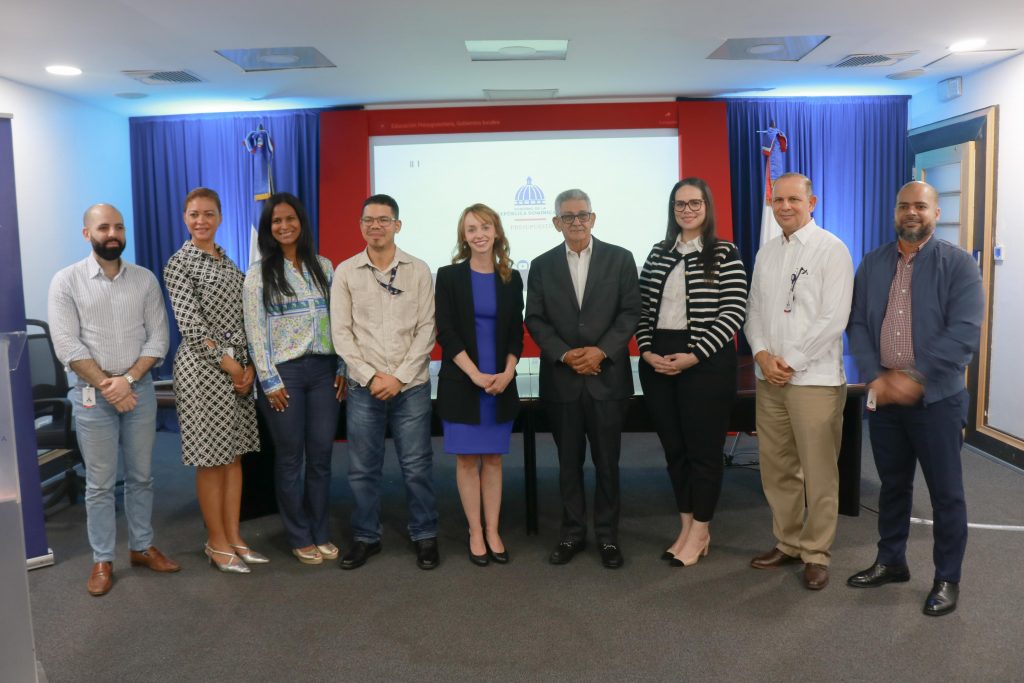
The open-access tool was developed with the support and cooperation of the U.S. Embassy in the Dominican Republic and aims to further foster civic interest in issues concerning central government spending. During a Citizen Forum, the General Directorate of Budget (DIGEPRES), as part of its strategic focus on Transparency and Social Control, and with the cooperation of the U.S. Embassy in Santo Domingo, made the 2024 Budget Simulator available to the public. This open-access tool seeks to further foster civic interest in issues concerning central government spending in the Dominican Republic and to increase transparency and social control over the budget cycle. The tool, developed with technical cooperation from the U.S. Embassy in Santo Domingo in conjunction with the Budget Directorate, initially presents the fiscal scenario that led to the formulation of Law No. Section 80-23 of the 2024 General State Budget was presented, outlining total revenue projections by category, including taxes, donations, and other income, as well as the major sectors to which total spending is allocated, according to the functional classification, related to education, debt interest, social protection, health, general administration, and energy and fuels. The event was led by José Rijo Presbot, Director General of the Budget; Iván Ramírez, Deputy Director General of the Budget; Ariel Jahner, Economic Attaché at the U.S. Embassy; and representatives from various government institutions. In her welcoming remarks, Ariel Jahner praised the initiative of the General Directorate of the Budget (Digepres) and the commitment made by the United States to support the Dominican Republic in its efforts to combat corruption and increase government transparency for its citizens. “The 2024 Budget Simulator allows citizens to stay informed about how tax revenues are spent and demonstrates the Government's commitment to promoting understanding of public spending processes among citizens and civil society organizations so they can participate in building a better society and strengthening democracy,” stated Ariel Jahner in his remarks. He also emphasized that the tool allows Dominicans to make recommendations on the use and management of the taxes they pay, which the Government uses to finance public needs. For his part, Rafael Jovine, Director of Economic Studies and Financial Budget Monitoring, explained that the tool allows users to simulate the distribution of income and expenses that best suits their criteria, within established limits, enabling them to submit their “ideal budget” to the government along with comments and opinions. “At Digepres, we don't just want to publish documents, but also to promote social participation and strengthen budget transparency,” said Rafael Jovine, explaining the tool's general features. At the close of the platform's launch, the Director General of the Budget highlighted the limitations of the current fiscal scenario, where almost 90.1% of the total projected tax revenue for 2024 is committed to six major areas: education, debt interest, social policies and subsidies, public health, central bank recapitalization, and local governments. “For us, it is important to leverage information and communication technologies (ICTs) to bring the government closer to society, in order to learn firsthand their specific assessments and opinions on current budget policy,” emphasized Rijo Presbot. Likewise, it encouraged the academic community, journalists, unions, influencers, young people, and civil society to actively participate in the discussion on spending priorities by submitting their proposals and joining the Citizen Meetings actively organized by DIGEPRES. Initiatives that guarantee the right to know: As part of its commitment to the right to know, DIGEPRES adds the Budget Simulator to other initiatives such as the Citizen Budget, the Citizen Meetings on Budgeting, weekly budget execution reports, and budget infographics; as well as actions promoted in coordination with the Ministry of Economy, Planning and Development (MEPyD), such as the registration of territorial consultations for validating citizen demands in budget formulation, which are incorporated into the RUDCT platform. This set of initiatives has earned international recognition, placing the country first in the Americas for social participation in the budget and third for social transparency, according to the 2023 Open Budget Survey by the International Budget Partnership (IBP). The event took place in the Juan Bosch Budget Room, with the participation of directors, division heads, and staff from the General Directorate of Budget (Digepres).
For the first time, Digepres conducts an external evaluation of the budget program and includes equity among criteria
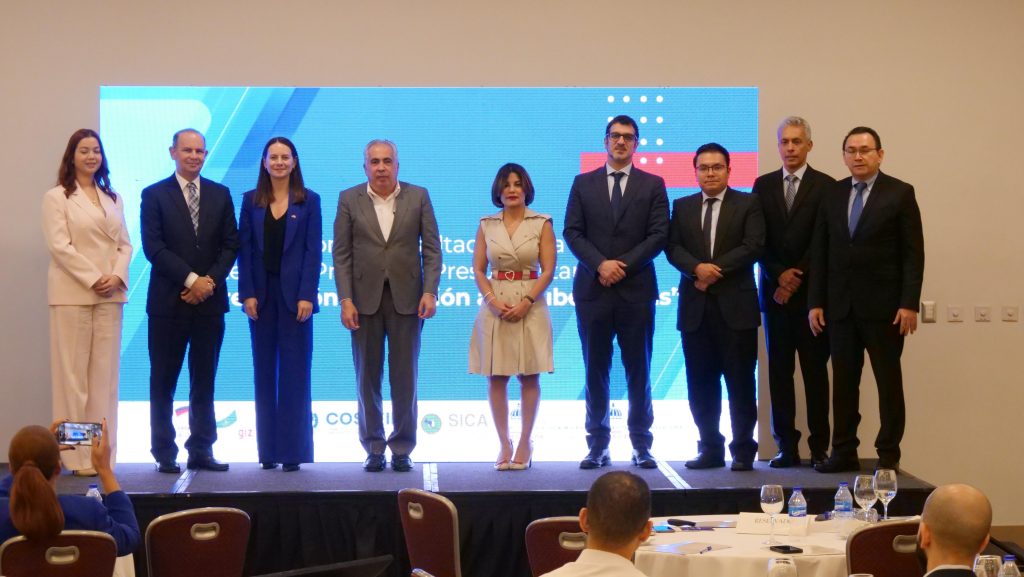
The evaluation of the Results-Oriented Budget Program for Tuberculosis Care and Prevention sets a precedent in budgeting practices, regulations, and the impact of measurements by international organizations. Santo Domingo, Dominican Republic – For the first time, and in a joint effort to improve the efficiency of public spending and maximize social welfare, the Dominican Republic's General Directorate of Budget, the German Development Cooperation, and the Executive Secretariat of the Council of Ministers of Finance of Central America, Panama, and the Dominican Republic (COSEFIN) presented the report on the results of the external evaluation of the Budget Program for Tuberculosis Care and Prevention in the Dominican Republic. The report outlines measures, strengths, and challenges related to the issue. This initiative represents a significant step forward for the Dominican Republic in the evaluation of budget programs, the measurement of public spending efficiency, and contributions to a gender perspective and the needs of vulnerable sectors. The event was led by Iván Ramírez, Deputy Director of the General Directorate of Budget; Janna Krenz, Economic and Cooperation Attaché at the German Embassy in Santo Domingo; Ricardo Elías Melgen, Director of Population Health Management; Rafael Gómez, project consultant; Puja Noshadi, Director of the Good Financial Governance Program at the German Cooperation Agency (GIZ); and Ana Miguelina Terrero, project technical coordinator, were present. Representatives from various government institutions involved in the process also participated. Ms. Janna Krenz, from the German Embassy in Santo Domingo, delivered the welcoming remarks, highlighting the importance of this initiative because it contributes to improving public services and fiscal sustainability. Ms. Krenz took the opportunity to acknowledge Digepres' leadership in promoting efficient public finance management. "We are honored to share the progress and impact of the Evaluation, which also received support from German cooperation," said Ms. Krenz. For his part, Iván Ramírez, Deputy Director of the Budget Office, representing the Director of the Budget Office, José Rijo Presbot, highlighted the milestone marked by the evaluation of budgetary programs. “This first program we evaluated paves the way for others, providing citizens with information on the actual investment of resources and the Government's commitment to ensuring the social well-being of Dominicans,” he stated. Likewise, Ana Miguelina Terrero, from the project's technical coordination team, noted that it sets a precedent in the work of the Budget Office, its regulations, and its influence on high-level measurements by international organizations. Rafael Gómez, a consultant for the project, described the results as satisfactory and emphasized, among other aspects, the fact that, for the first time, this type of evaluation includes the criteria of equity and a gender perspective. The evaluation also focused on the most vulnerable sectors, the social impact and human benefit, and how tuberculosis reduces family income, causes social exclusion, and increases mortality. Finally, Dr. Ricardo Melgen, Director of Population Health Management at the Ministry of Public Health, addressed the attendees, stating that tuberculosis is the second leading infectious cause of death after COVID-19, according to the WHO. The tuberculosis incidence rate in the targeted regions was 38.6% in 2023, and the detection gap was reduced to a record low of 15.6% in 2022. Government institutions such as the National Health Service and the Supérate program also participated in the event. The report is available on the institutional website Digepres.gob.do.
DIGEPRES successfully concludes first phase of external audit of the Integrated Quality and Anti-Bribery System
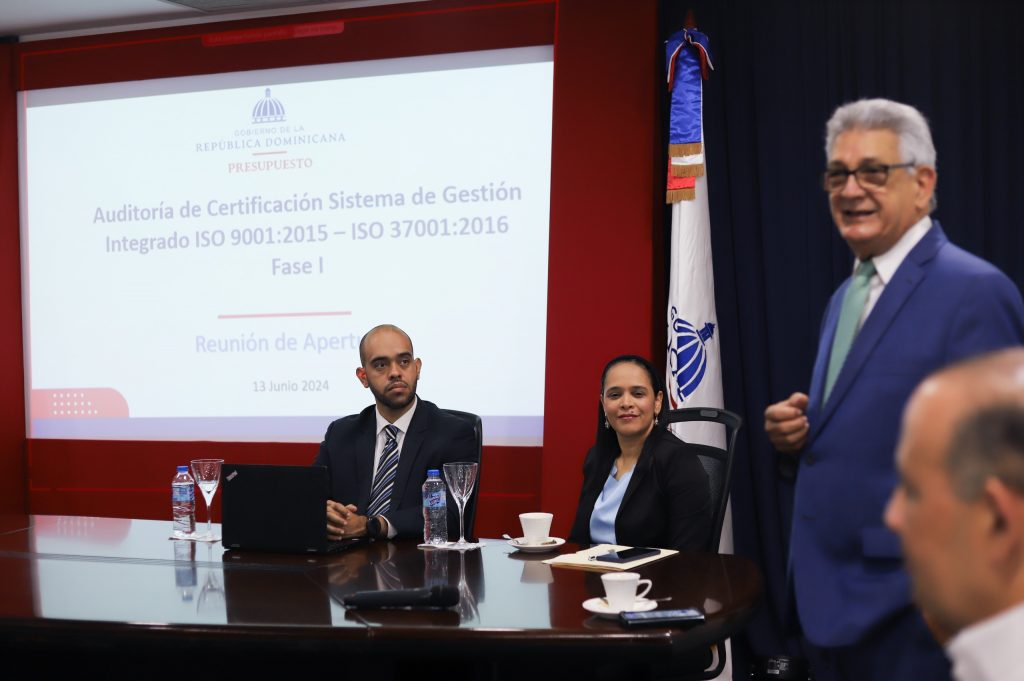
With this initiative, the Budget Directorate reaffirms its commitment to strengthening processes, controls, and quality standards in all its areas of operation for continuous improvement. The General Directorate of Budget (DIGEPRES) successfully completed the first phase of the External Audit of the Integrated Quality and Anti-Bribery System to determine the organization's capacity to comply with applicable legal, regulatory, and contractual requirements to obtain certifications under ISO 9001:2015 and ISO 37001:2016. The activity, coordinated by the Planning and Development Department, was led by external auditors Jhoan Regalado, Armando Montero, Alberto Almonte, and Heidy Castillo from the Dominican Institute for Quality (INDOCAL). The opening ceremony included welcoming remarks from the Director General of Budget, José Rijo Presbot, accompanied by Iván Ramírez, Deputy Director General, and other officials of the institution. Rijo Presbot, in his remarks, stated that the process is part of Digepres' commitment to continuous quality improvement and measures to prevent inappropriate conduct within the institution. "This process contributes to what we have been striving to establish since the first day of our administration: a horizontal, participatory, open, transparent organization committed to values and ethics," Rijo Presbot emphasized. He also affirmed that compliance with regulations within the Budget Department is paramount. For his part, Jhoan Regalado, lead auditor of the evaluation team, thanked the Budget Department for its commitment and willingness to provide feedback and identify opportunities for institutional growth and development. The meeting then moved on to the day's agenda. Patricia Castillo, head of the Planning and Development Department, expressed that maintaining and consolidating the Integrated Quality and Anti-Bribery Management System entails commitments and responsibilities from all participants; therefore, she expressed her gratitude for the work that the Directorate, area managers, and staff have been carrying out for months to improve the System. During the process, which began at eight in the morning and concluded at four in the afternoon, the auditors met with various managers from each of Digepres's departments. They verified the system, the defined objectives of the processes, and the effective execution of established procedures to ensure quality and continuous improvement within Digepres. Audit Closure: Finally, in the afternoon, the lead auditor, Jhoan Regalado, formally declared the review and evaluation of the effectiveness of the Integrated Quality and Anti-Bribery Management System closed, acknowledging the importance of having certified processes in the future. Regalado highlighted the Budget Department's unwavering commitment to continuous improvement and opportunities for growth and development at the organizational level, and also reported on the process of delivering the final audit report. For his part, Iván Ramírez, Deputy Director of Budget, sent a heartfelt message of congratulations and recognition to all collaborators for the satisfactory results obtained in the first phase of the audit: “Congratulations to all those involved for emerging victorious in this first stage, a product of our own awareness and organizational culture.”
Digepres closes Ethics Week with journalist Altagracia Salazar as an ethical role model
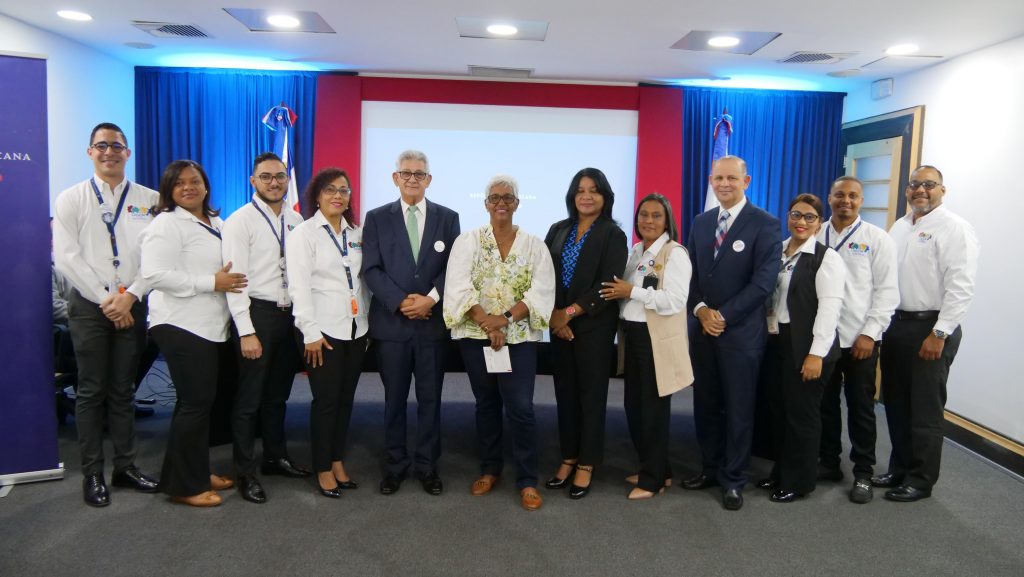
The prominent journalist shared the importance of ethics in regulating moral behavior, both personally and professionally. The General Directorate of Budget (Digepres) concluded "Ethics Week 2024: For a Culture of Integrity" with a meeting featuring renowned journalist Altagracia Salazar, coinciding with National Citizen Ethics Day on April 29. The week-long activities aimed to further promote an ethical culture among Budget Directorate staff. The closing event was led by the Director of the General Directorate of Budget, José Rijo Presbot, accompanied by Deputy Director Ivan Ramírez, Glenny Villanueva, head of the Public Ethics Department of the General Directorate of Ethics and Governmental Integrity (DIGEIG), representing Milagros Ortíz Bosch, as well as department heads, area supervisors, and Budget Directorate staff. The welcoming remarks were delivered by Soribel Medina Lagrange, general coordinator of the Governmental Integrity and Regulatory Compliance Commission (CIGCN) and Governmental Integrity Officer (OIG) of Digepres, who thanked those present for their participation and encouraged them to maintain a firm commitment to ethical values within and outside the institution. In his remarks, Budget Director José Rijo Presbot thanked Altagracia Salazar for her presence, highlighting her as a professional who dignifies journalism and serves as an ethical role model. “Altagracia is a dignified, honest, and hardworking woman, impervious to malice, degradation, irresponsibility, blackmail, bribery, or any of the corrupting influences displayed by some inferior beings who claim to practice ‘journalism,’” Rijo Presbot quoted, referring to an editorial by journalist Fausto Rosario about the reporter. Addressing the audience, Altagracia Salazar explained the situations she faced for practicing journalism ethically, which led her through difficult times. However, she understood that it was the right path if she wanted to practice her profession honestly, transparently, and fairly. “Ethical values never go out of style; the best way to make them visible is through consistency,” she said. “Ethical values make us different and prevent us from being bought,” explained the veteran journalist. Salazar also emphasized that consistency plays a very important role, and that values are not imposed, but rather result from the dedicated effort we put into cultivating them. As part of the closing program, the second episode of the documentary “The Budget in History,” which has six episodes, was released. This episode, titled “Beginnings of the Economy and the Budget in the Dominican Republic,” is an initiative of the Communications Department, contributing to the institutional record of this budget year. During Digepres Ethics Week, the importance of integrity and transparency in government management was promoted both internally and externally within the organization. Special guests and Budget Department staff participated. National Day of Civic Ethics and Institutional Commitment: Every year on April 29, the country celebrates “National Day of Civic Ethics,” and on this memorable day, Ulises Francisco Espaillat, one of the most prominent politicians, is honored. The democratic and honest institutions that the country enjoyed in the 19th century are a symbol of civic integrity and transparency. Digepres, under the leadership of the General Directorate of Ethics and Governmental Integrity (DIGEIG), established its Governmental Integrity and Regulatory Compliance Commission (CIGCN) in compliance with Decree No. 791-21, which declares the implementation and election of Governmental Integrity and Regulatory Compliance Commissions (CIGCN) in all public institutions a high national priority. This marks the first time the Integrity Commission has representatives from all organizational groups, ensuring the participation and commitment of employees at all levels. The event was held in the Juan Bosch Hall at Digepres.
Digepres receives representatives from the French Agency to discuss governance and climate action issues
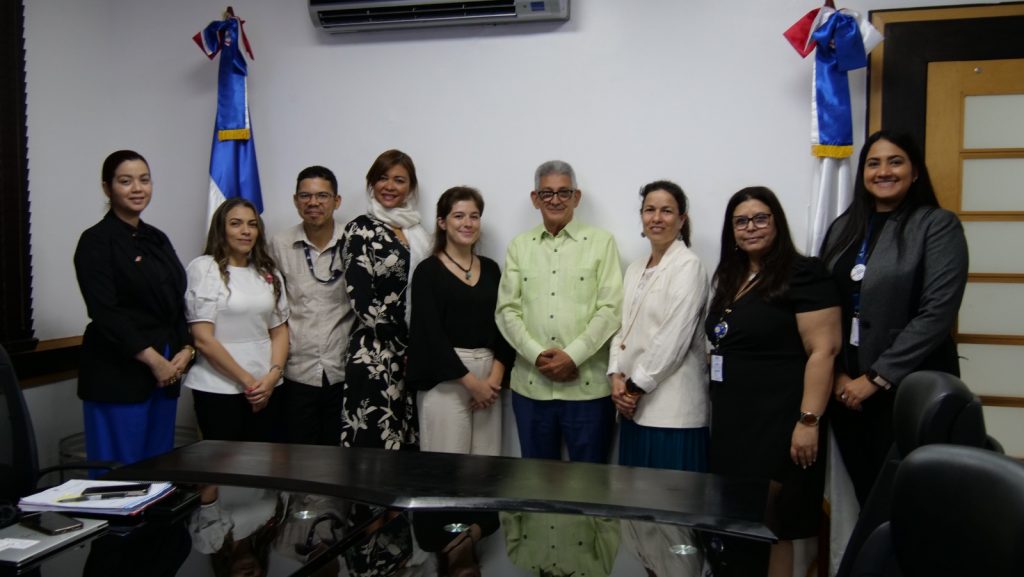
The meeting served to share initiatives and implement future green budgeting and gender mainstreaming actions. The Director of the General Directorate of Budget, José Rijo Presbot, received a mission from the French Development Agency (AFD) in a meeting that laid the groundwork for identifying and evaluating financing and technical cooperation needs for a green budget transition. The meeting also provided an opportunity to address aspects related to gender mainstreaming and progress, needs, and challenges linked to the climate change expenditure classification. The welcoming remarks were delivered by the Director of Budget, who thanked the mission for its visit and emphasized the importance of combating and adapting to climate change. Rijo Presbot was accompanied by Digepres directors, including Odilys Hidalgo, Head of the Budget Services Directorate; Griselda Gómez, Director of the Quality and Evaluation of Budget Management Directorate; Rafael Jovine, Director of Economic Studies; and Paola Chaljub, Head of the Communications Department. Ana Miguelina Terrero, head of the Performance Evaluation department; Jhannet Taveras, head of the Economic Services department; and the AFD mission, comprised of Varinia Tromben, a public finance expert, and Sara Davo Boza, head of energy, climate, and sustainable finance projects, were present. José Rijo Presbot explained to the mission the government's economic actions, outlined the importance and benefits of tax reform, and reiterated that the General Directorate of Budget supports joint climate initiatives. Varinia Tromben, in her presentation, explained the agency's interest in strengthening the dialogue on public policies between the French Development Agency (AFD) and the Budget Office regarding sustainability from various perspectives. She also outlined the mission's intention to forge agreements that will lead to technical assistance and service offerings for implementing the green budget transition and other related issues. "France has extensive experience in international cooperation on green budgeting, and the AFD provides financial and technical support for this topic," Tromben explained. She also listed the cross-cutting themes that the AFD defines to achieve this objective. For his part, Rafael Jovine, in his presentation, explained to the mission aspects and data from the Results-Based Budgeting Network meeting, which focused its agenda on environmental issues through the experiences of participating countries. He also outlined the actions that the Budget Office has been developing on this topic. Meanwhile, Griselda Gómez highlighted the work of the implementing units, the importance of gender mainstreaming to continue contributing to reducing inequality gaps in the country, and the need to strengthen technical capacities to carry out the processes and arguments presented. Regarding the Budget Directorate (Digepres) and environmental actions, it was noted that the Budget Directorate has a Conceptual Model System for Identifying and Classifying Public Spending on Climate Change and Disaster Risk Management and has developed actions to combat climate change in coordination with the Inter-American Development Bank (IDB), as well as sustainable initiatives to raise awareness and sensitivity to environmental issues among its staff. The event took place in the Budget Directorate's office.
Digepres launches Ethics Week, for a culture of institutional integrity
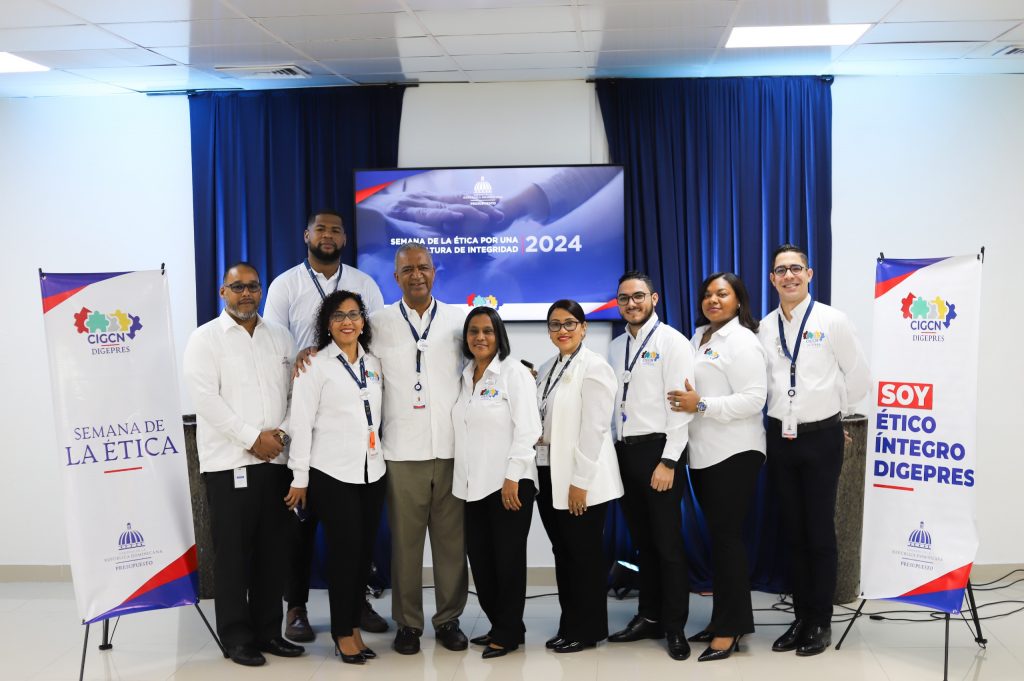
Las actividades incluyen charlas y talleres a llevarse a cabo desde el 22 al 30 de abril con el objetivo de seguir fomentando la cultura ética entre los colaboradores de Presupuesto La Dirección General de Presupuesto anunció la “Semana de la Ética por Una Cultura de Integridad” en su versión 2024, con el objetivo de promover las buenas prácticas y fortalecer la cultura de integridad dentro de Presupuesto. El anuncio fue hecho por la coordinadora general de la Comisión de Integridad Gubernamental y Cumplimiento Normativo (CIGCN) y Oficial de Integridad Gubernamental (OIG) de la Digepres, Soribel Medina Lagrange, a realizarse del 22 al 30 de abril. Medina en su intervención socializó el nuevo slogan institucional “Soy Ético, Soy Íntegro, Soy Digepres”, expresando su satisfacción por el trayecto y desafíos relacionados con la ética y la integridad, asumida por los colaboradores para desempeñar un mejor trabajo dentro la institución. De su lado, Francisco Abreu, encargado del departamento de Recursos Humanos y en representación del señor José Rijo Presbot, director de Presupuesto agradeció la participación de los colaboradores y valoró de manera positiva los encuentros y promoción de una cultura institucional basada en la ética. “Debemos apostar a la promoción de valores y medidas destinadas a fortalecer la defensa del interés común y el ejercicio ético de la función pública”, manifestó Abreu. El compendio de eventos socializados comprende apertura de la semana de la ética, ¿Conoces la CIGCN Digepres?, mensajes vinculados al tema, cinefórum y para el cierre, una charla conferencia a propósito de celebrarse el 29 de abril el Día Nacional de la Ética Ciudadana. Comisión de Integridad Gubernamental y Cumplimiento Normativo Digepres, bajo el liderazgo de la Dirección General de Ética e Integridad Gubernamental (DIGEIG), conformó su Comisión de Integridad Gubernamental y Cumplimiento Normativo (CIGCN) en cumplimiento con el Decreto No. 791-21, que declara de alta prioridad nacional el proceso de implementación y elección de las Comisiones de Integridad Gubernamental y Cumplimiento Normativo (CIGCN) en todas las instituciones públicas. Las comisiones de ética están reguladas por el Decreto no.143-17, instructivo no. 04- 2017 y resolución 1/2019 y son responsables de promover el buen funcionamiento de la administración pública a través del desarrollo de una cultura organizacional de ética y transparencia en las instituciones públicas donde operan. En la actualidad, se trata de la primera vez que la Comisión de Integridad cuenta con representantes de todos los grupos organizacionales, como una manera de asegurar la participación y el compromiso de los colaboradores en todos los niveles.
Budget Director: “Government maintains strict control over public spending”

De acuerdo con Rijo Presbot, variación interanual del gasto del primer trimestre del 2024 es 6.5 veces inferior a la del igual periodo del 2020 y 41.5 veces inferior a la del 2012. Por primera vez en dos décadas se reduce deuda pública El director general de Presupuesto, José Rijo Presbot, explicó que, en este año se experimentó un superávit de un 0.4%, que aún se mantiene, considerándolo como un indicador de salud financiera del país, que significa, que el Gobierno recaudó más dinero del gastado, en un hecho registrado por última vez en 1994. El director de Presupuesto durante una entrevista en el programa “El Despertador”, transmitido a través de Color Visión y conducido por Ana Mitila Lora, Esteban Delgado y Rosa Encarnación, expresó que la gestión del presidente Luis Abinader se caracteriza por un buen manejo de las finanzas públicas y sólido crecimiento económico, a pesar de que se instaló en medio de un mundo cerrado. Indicó Rijo Presbot que, el Gobierno realiza encomiables esfuerzos para eficientizar el gasto público y reorientarlo hacia más y mejores servicios de calidad para la ciudadanía. En su intervención en el programa matinal, Rijo Presbot explicó en materia de subsidio que, esta gerencia, ha destinado en lo que va de año RD$6,500 millones a los carburantes, para frenar el alza debido a las guerras entre Rusia y Ucrania e Israel y Hamas, y con ello evitar elevar el costo de la vida de los ciudadanos en el país. “Por ese subsidio a los carburantes, hoy manejamos una inflación de un 3.6% a un 3.7%, en este primer trimestre del año”, aseguró el director de Presupuesto. Rijo Presbot, hizo referencia a otros subsidios sociales a los que se destinan partidas específicas en el presupuesto nacional de cada año, para mejorar la calidad de vida de las familias más vulnerables. En tanto, señaló otros esfuerzos realizados por esta gestión, para dignificar la vida de la gente. Tras ofrecer detalles que demuestran la mejora en la calidad del gasto público del Estado dominicano dijo que, en cuanto a asignación de viáticos, que siempre han sido ampliamente criticados por algunos sectores, hubo una reducción. “Hay un control absoluto en representación de viáticos en este gobierno. Todo funcionario debe dar cuentas de cómo lo gastó y, si no tiene la factura que comprueben ese gasto, debe devolver el dinero”, destacó el director de Presupuesto. Con relación al Gobierno y los aumentos salariales, destacó los aplicados a los miembros de la Policía Nacional; conscriptos y rasos, que ahora es de RD$29,025.07 más los incentivos; un 30% a sueldos del personal de salud y el incremento salarial que favoreció a maestros jubilados y pensionados, un impacto significativo para dichos sectores. Gobierno registra el menor gasto público en año electoral Rijo Presbot, afirmó que, en este año electoral, el Gobierno del presidente Luis Abinader gasta solo el dinero presupuestado y que, además, se ejerce el gasto bajo el control y cumplimiento estricto de las normas, porque la prioridad de esta administración es la solución de los problemas fundamentales de la nación dominicana, lo que no sucedía en otras gestiones anteriores. “Ahora no hay autorización para malgastar recursos públicos en la campaña electoral”, estableció Rijo Presbot en su intervención en el programa matutino. En ese sentido, Rijo Presbot explicó que por primera vez en los últimos siete años electorales se ha registrado el menor gasto primario por parte del Gobierno, lo que refleja el control en el uso de los recursos del Estado. De acuerdo con Rijo, la variación interanual del gasto del primer trimestre del 2024 es 6.5 veces inferior a la del igual periodo del 2020 y 41.5 veces inferior a la del año 2012. “El 2012 fue el año del mayor desborde del gasto público del cual se guarde registro en las últimas décadas”, apuntó el director de Presupuesto. En cuanto a remuneraciones y contribuciones, se pasó de 1.12% a 0.98% del PIB; contratación de servicios, de 0.33% a 0.26%; materiales y suministros, de 0.22% a 0.10%; bienes muebles, inmuebles e intangibles, del 0.13% a 0.04% y obras del 0.33% a 0.18%. De igual forma, Rijo Presbot destacó que el 2024 se proyecta como el primer año electoral de las últimas dos décadas en el cual la deuda pública se reduce interanualmente con relación al PIB.
The Latin America and the Caribbean Results-Based Budgeting Network meeting proposes addressing climate change as a commitment of member countries.
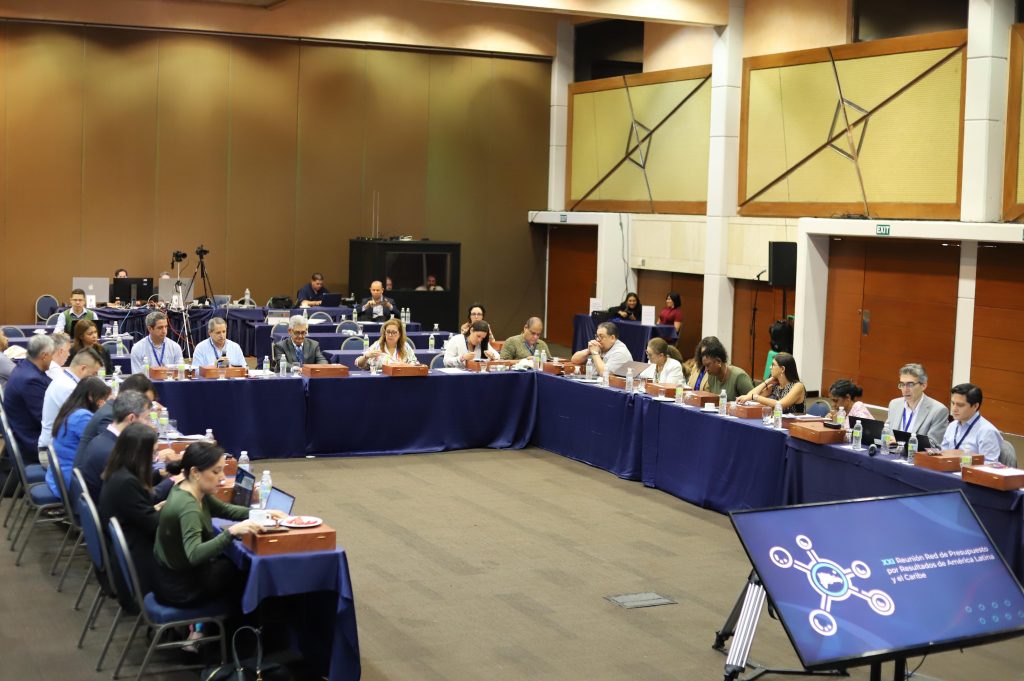
The Dominican Republic hosted this meeting, which brought together representatives from 17 countries and served as the venue for a plenary session and elections. Punta Cana, La Altagracia – The 21st Meeting of the Results-Based Budgeting Network of Latin America and the Caribbean concluded successfully. The meeting convened budget directors and representatives from 17 countries to exchange and leverage best practices, strengthen collaboration among the countries, and develop a work plan for the Network for the 2024-2025 period. The event, held from April 10-12, included the participation of representatives from Argentina, Brazil, Chile, Costa Rica, Colombia, Ecuador, El Salvador, Guatemala, Honduras, Panama, Peru, Paraguay, Uruguay, Barbados, Belize, and Guyana. Teodora Recalde, president of the Results-Based Budgeting Network, delivered the closing remarks, emphasizing the urgent need to address climate change as a commitment of the countries in the region. He also pointed out that “appropriate policies will depend on the individual challenges and circumstances of each country, and their determination always requires in-depth analysis.” Recalde praised the working sessions as a major step forward in the challenge of combating climate change and mitigating its effects. In this regard, he emphasized the creation of new sources of financing for global climate action, so that the budget reaches the people to improve and develop their countries. Finally, he reiterated the commitment of the Network's member countries to “continue investing in strengthening human capital through training, transparency, and accountability.” The presentations on the final day focused on governance in climate action, evaluation methodologies to improve governance by integrating finance ministries into inter-ministerial climate action, challenges and the work plan for the Latin America and the Caribbean Results-Based Budgeting Network for the 2024-2025 period, the Network's sustainability, and next steps. The meeting was attended by staff from the General Directorate of Budget, as the host institution, with the collaboration of the Inter-American Development Bank (IDB); In addition to the Ministry of Economy, Planning and Development (MEPYD), the Ministry of Environment and Natural Resources, the Ministry of Energy and Mines, the National Office for Seismic Evaluation and Vulnerability of Infrastructure and Buildings (ONESVIE), the Commission for the Promotion of Technological Upgrading of the National Irrigation System, the Technical Unit for the Execution of Agroforestry Development Projects (UTEPDA), the National Botanical Garden, and qualified technicians and personnel from the Latin American and Caribbean Results-Based Budgeting Network, the event program included topics related to fiscal challenges for Latin America and the Caribbean in the face of the global climate emergency and the role of results-based budgeting, transparency of climate public policy, progress in identifying climate public spending in Latin America and the Caribbean, how to leverage practices implemented in LAC to have a positive impact on the environment, monitoring and evaluation of climate-related spending and its potential to contribute to mitigating climate change, and the use of advanced information technology in budgeting. El Salvador, Presidency and Host Country. As part of the agenda of the XXI Meeting of the Latin American and Caribbean Results-Based Budgeting Network, held in the Dominican Republic, representatives of the member countries held a plenary session to address important issues related to country management. They also set the date and host country for the next meeting. As a result of the elections, Carlos Salazar was chosen as the new president of the Latin American and Caribbean Results-Based Budgeting Network, and El Salvador was selected as the host country for the next meeting of member countries. Brazil and Uruguay assumed the vice-presidency of the group. By unanimous decision, Teodora Recalde, the outgoing president, was declared president for life of the Network as a way to honor and recognize her work and contributions. The Latin American and Caribbean Results-Based Budgeting Network was created in 2003 to unite the efforts of its member countries, share best practices, and implement improvements in budget management through results-based methodology.
The Dominican Republic hosts the XXI Meeting of the Results-Based Budgeting Network of Latin America and the Caribbean: climate change and actions from the General State Budget are on the agenda
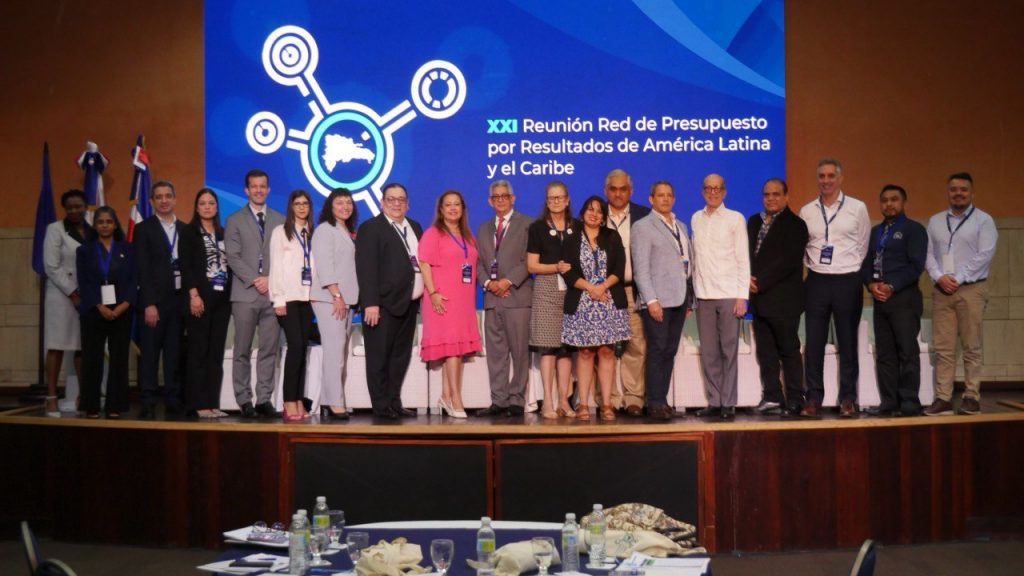
The event aims to leverage best practices and strengthen collaboration among the budget offices and departments of member countries for the 2024-2025 period. Punta Cana, La Altagracia Province – With the participation of budget directors from 17 countries, the Dominican Republic is hosting the 21st Meeting of the Results-Based Budgeting Network of Latin America and the Caribbean. This meeting aims to exchange and leverage best practices, strengthen collaboration among countries, and develop a work plan for the Network for the 2024-2025 period. The event, taking place from April 10-12 in La Altagracia Province, brings together budget directors and representatives from Argentina, Brazil, Chile, Costa Rica, Colombia, Ecuador, El Salvador, Guatemala, Honduras, Panama, Peru, Paraguay, Uruguay, Barbados, Belize, and Guyana. The welcoming remarks for the first working session were delivered by Derby de los Santos, Vice Minister of the Treasury, representing the Minister of Finance, José Manuel Vicente. Luis Madera Sued, Vice Minister of Planning and Public Investment, representing the Minister of Economy, Planning and Development, Pável Isa Contreras; Teodora Recalde, President of the Latin American Results-Based Budgeting Network; and Ariel Zaltsman, fiscal specialist from the Inter-American Development Bank (IDB), each spoke independently, emphasizing the environmental issue and climate change. Derby de los Santos, addressing the topic, highlighted the Dominican government's commitment to tackling climate change, noting the extensive work being done on resilience initiatives through the main instrument of public finance. "Meetings like this allow us to present our initiatives and learn about those employed by sister nations in adapting to and combating this phenomenon by sharing best practices and experiences," he emphasized. For his part, Luis Madera Sued, Vice Minister of the Ministry of Economy, Planning and Development, underscored the importance of results-based budgeting as one of the Dominican government's key priorities, aligned with the vision of linking planning to the budget. “Results-based management is one of the key principles of this new approach to policymaking, focusing not on what we do, but on what we achieve for our people. It must be said that the General Directorate of Budget has been the pioneering institution in this paradigm,” Madera pointed out. Similarly, Teodora Recalde, president of the Network, highlighted the fundamental challenges directly affecting societies, marked by the global climate emergency, and stated that budgets, fiscal responsibility, and efficiency can be active tools in the use of resources. Ariel Zaltsman of the IDB expressed his satisfaction with the event and with the Dominican Republic as the host country, given the initiatives it has been developing in both results-based budgeting and climate change adaptation and mitigation, supported by the IDB through both resources and technical cooperation. The three-day meeting addressed topics such as fiscal challenges for Latin America and the Caribbean in the face of the global climate emergency and the role of results-based budgeting, transparency in climate public policy, progress in identifying climate public spending in Latin America and the Caribbean, how to leverage practices implemented in LAC to have a positive environmental impact, monitoring and evaluation of climate-related spending and its potential to contribute to mitigating climate change, and the use of advanced information technology in budgeting. The event included the participation of staff from the General Directorate of Budget, the host institution, with the collaboration of the Inter-American Development Bank (IDB). In addition, representatives from the Ministry of Economy, Planning and Development (MEPYD), the Ministry of Environment and Natural Resources, the Ministry of Energy and Mines, the National Office for Seismic Evaluation and Vulnerability of Infrastructure and Buildings (ONESVIE), the Commission for the Promotion of Technological Upgrading of the National Irrigation System, the Technical Unit for the Execution of Agroforestry Development Projects (UTEPDA), the National Botanical Garden, and technical and qualified personnel from the participating institutions were present. Rijo Presbot: Climate Change as a National Priority. José Rijo Presbot, Director General of the Budget, was in charge of closing the first day of the Meeting of the Results-Based Budgeting Network of Latin America and the Caribbean. In his speech, Rijo thanked those present and the President of the Network for choosing the country to host the event. He also valued the exchange of experiences among the represented countries as a demonstration of the firm commitment to ensuring that expenditures related to climate change, biodiversity protection, and disaster risk management are properly identified and made transparent in the general budgets of each State. “Climate change prevention and risk mitigation are especially important issues for the Dominican Republic. Between 2000 and 2019, Puerto Rico and Haiti were among the countries most affected by extreme weather events; it is clear that the Dominican Republic's absence from the top 10 is purely a matter of luck,” explained Rijo Presbot. Regarding public finances and the budgetary framework in particular, Rijo noted how countries have been preparing and optimizing methodologies and techniques for identifying the full range of government actions, specifically those focused on climate. The Latin American and Caribbean Results-Based Budgeting Network Meeting has been held annually since 2003 to comparatively analyze the experiences of OECD countries in results-based management.
Digepres and MEPyD coordinate process to understand provincial demands with a view to the 2025 General State Budget
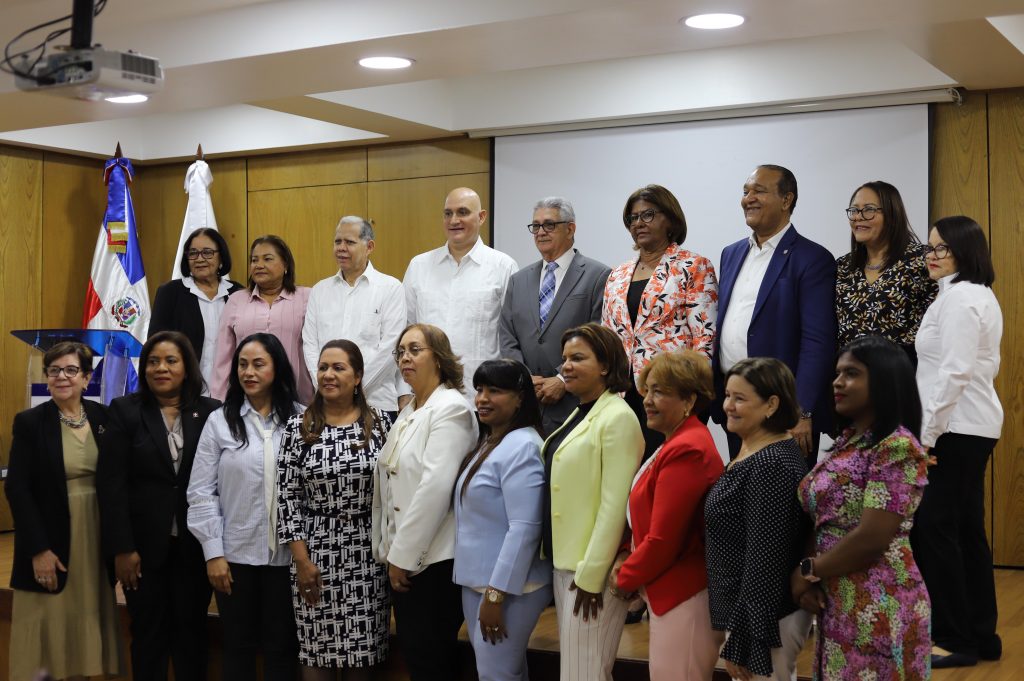
The activity provided guidance and highlighted the importance of local governments for the development and well-being of residents and the community. Representatives from the General Directorate of Budget participated in a meeting with Provincial Governors to coordinate the process of gathering citizen demands for the 2025 Budget, in an event organized by the Ministry of Economy, Planning and Development (MEPyD). The meeting also provided guidance and highlighted the importance of local governments for the development and well-being of residents and the community. The event was led by the Minister of Economy, Planning and Development (MEPyD), Pável Isa Contreras; José Rijo Presbot, Director of the General Directorate of Budget (Digepres); accompanied by the Vice Ministers Domingo Matías, of Territorial Planning and Regional Development (VIOTDR); Horacio Medrano, Head of Development Plans at the MEPyD; and Leomary Liriano, Head of the Planning Coordination Department. The welcoming remarks were delivered by the Minister of Economy, Planning and Development (MEPyD), Pável Isa Contreras, who, in thanking those present, emphasized that improving people's quality of life is the objective of public policies. "Having quality policies implies two things: planning and good resource management, territorializing the plan, establishing indicators, and coordinating actions," highlighted Pável Isa Contreras. For his part, José Rijo Presbot, in his address, pointed out the importance of the Geographic Classifier for identifying economic investments and types of public policies in a province or community, and also the responsibility of the regional governments to streamline the collection of this data. "The regional governments have the responsibility to unify information at the local level, through a sectoral cabinet in the communities, to have a single profile of the public policy implemented in the territory," emphasized Rijo Presbot. He also highlighted the projects the government has been carrying out in communities to improve people's lives, indicating that consultation and social participation are essential to minimize the possibility of errors when designing these projects or prioritizing them. Domingo Matías, from VIOTDR, stated that the current administration's program centers on citizen power, which should be the core of every state institution's actions. The program revolved around topics such as the presentation of the process for gathering territorial citizen demands as a mechanism of the Single Registry of Territorial Citizen Demands (RUDCT) system, the current state of management and the sectoral response to territorial demands, social oversight of the 2025 General State Budget (PGE) calendar, and changes in the programmatic structure, including transfers to provincial governments—the latter presented by Rafael Jovine, Director of Economic Studies at Digepres. Citizen Participation and the Budget Cycle: It is worth noting that the Budget Office has been implementing coordinated actions to strengthen and promote the transformation of local governments, aiming for more transparent and efficient budget execution in municipalities and fostering citizen participation in the budget cycle. The meeting with Provincial Governors to coordinate the process of gathering citizen demands for the 2025 budget was held in the Ascuasiati Room of the Ministry of Economy, Planning and Development (MEPyD), with the participation and representation of governors from various provinces across the country.