

 EN
EN  ES
ES Digepres Quality Week: culminates a day focused on excellence
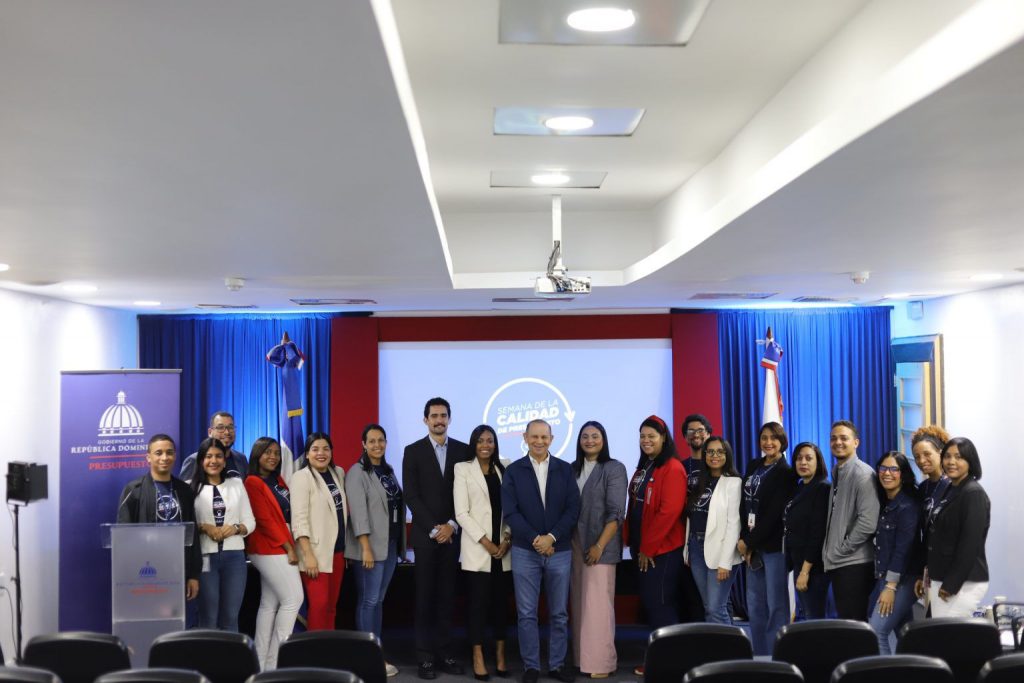
The activity aimed to reaffirm the Budget Directorate's commitment to the continuous improvement of its processes and services. The General Directorate of Budget (Digepres) concluded Digepres Quality Week, an event dedicated to reinforcing values, norms, standards, and practices for managing and promoting quality in all institutional services and processes. The event, held from November 18 to 22, also sought to provide the benefits of ISO 9001 certification, the quality management standard, and ISO 37001, designed to establish robust and effective anti-bribery management systems. The closing ceremony began with remarks from the Director General of Budget, José Rijo Presbot, who emphasized the importance of teamwork in achieving effective results. "A cornerstone of quality is teamwork and good communication, elements that, when combined, allow an institution to function efficiently and effectively," stated Rijo Presbot, reaffirming Digepres' commitment to continuous improvement. The event also included the participation of the Deputy Director of Budget, Iván Ramírez, and was attended by department heads, division heads, and staff who joined in the activities held throughout the anniversary week. Laura de la Cruz, Head of Quality Management in the Planning and Development Department, emphasized the importance of embracing quality in every process of the institution as a key tool for achieving strategic objectives. “Quality is not only a commitment, but a responsibility that must be present in everything we do,” she stated. The Quality Week program featured various activities aimed at promoting good service and continuous improvement within the institution through talks, workshops, and complementary activities such as quizzes, internal information sessions, and audiovisual presentations that addressed key topics in the areas of quality, bribery, and risk management. The week's activities included prominent figures such as Olympic athletes Camil Domínguez and Luisito Pie, who shared their experiences and emphasized that quality is based on clear objectives and teamwork. Also participating in the program were the Dominican Institute for Quality (INDOCAL), KPI Learning, the Ministry of Public Administration, the National Competitiveness Council, and the Ministry of Industry and Commerce (MIC). The Quality Week organizing team also included Patricia M. Castillo, head of the Planning and Development Department; Karla Ureña, head of the Division of Formulation, Monitoring, and Evaluation of Plans, Programs, and Projects; Awilda Polanco, head of the Division of Institutional Development; Amanda Hilario, administrative technician; and analysts Cheila Chivilli, Jesús Payano, Tairy Ramírez, Abraham de León, Paola Sido, Mariel Matos, Edwin Terrero, Lorenna Dominguez, Patria Crousset, Bryan Thompson, and Ramfis Moreno. Finally, the Digepres Quality Week showcased the exchange of ideas and knowledge related to the topics covered. With this initiative, the Budget Office reaffirms its commitment to institutional excellence, recognizing that quality is an essential pillar for efficient public management focused on citizen service.
DIGEPRES shares budgeting tools within the framework of the Open Government action plan 2024-2028
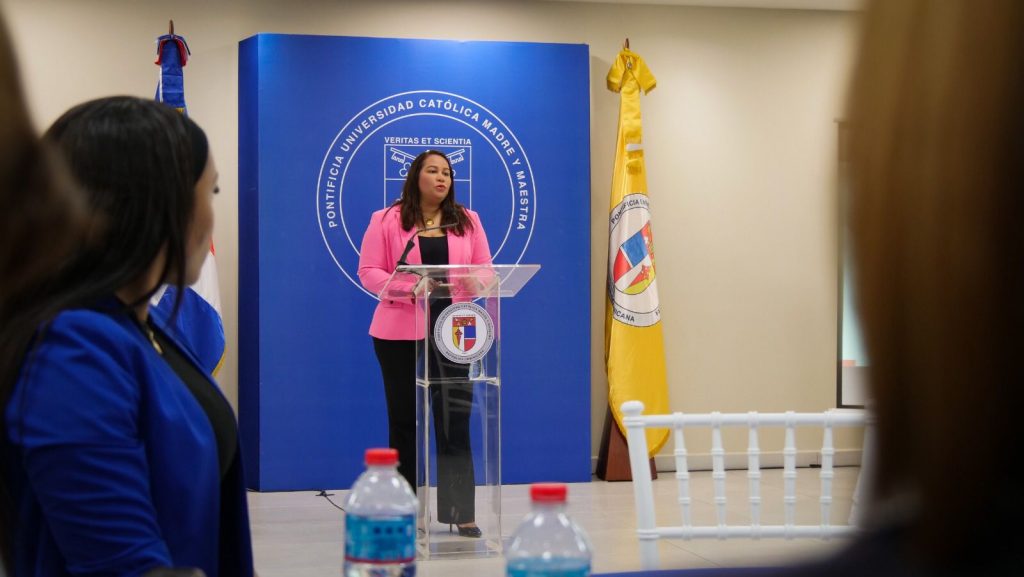
With these actions, DIGEPRES reaffirms its commitment to fostering a culture of openness and transparency in the management of public resources. The General Directorate of Budget (DIGEPRES), as part of its commitment to transparency and citizen participation, shared the set of budgetary tools it has available to make the public budget more visible within the framework of the co-creation of the Dominican Republic's Sixth Action Plan for the Open Government Partnership (OGP) 2024-2028. This plan, promoted by the General Directorate of Ethics and Governmental Integrity (DIGEIG), aims to strengthen collaboration between the government and civil society and promote more open, inclusive, and efficient public management. During the event, Rafael Jovine, Director of Economic Studies and Financial Monitoring at DIGEPRES, presented the budgetary tools designed to improve transparency and citizen participation in the preparation, execution, and monitoring of the budget. “What we are presenting today is part of the essential toolkit to ensure that the budget process is more accessible and understandable for citizens, thus enabling greater oversight and collaboration in public decision-making,” Jovine stated in her presentation. The dissemination of the budget toolkit was framed within the actions developed by the Open Government Partnership, an international platform that promotes the adoption of public policies focused on government openness, accountability, and citizen participation. The Sixth Action Plan 2024-2028 reaffirms the Dominican Republic's commitment to these principles, incorporating proposals that seek to transform public management and strengthen citizen trust in institutions. With the visibility of these tools, DIGEPRES reaffirms its efforts to foster a culture of openness and transparency in the management of public resources and to continue promoting mechanisms that encourage citizen participation in budget processes. The opening remarks of the event were delivered by Berenice Barinas, Executive Director of the General Directorate of Ethics and Governmental Integrity (DIGEIG), representing Dr. Milagros Ortiz Bosch, head of the agency. In addressing the attendees, she emphasized that the meeting aimed to promote new and improved spaces for dialogue with society. Similarly, Elizabet Díaz, Director of Transparency and Open Government at DIGEIG, explained the importance of the Open Government Partnership, an international platform that promotes the adoption of public policies focused on government openness, accountability, and citizen participation. This platform also incorporates proposals that seek to transform public administration and strengthen public trust in institutions. The initiative is part of the Dominican Republic's Multi-Stakeholder Forum for Open Government, a space for ongoing dialogue and collaboration between the Dominican government, civil society, and other non-governmental actors. The event was attended by representatives of civil society, non-governmental organizations, and various stakeholders involved in issues related to health, the environment, public services, citizen participation, education, citizenship, the digital divide, justice, transparency and open data, and vulnerable groups. Participants were able to learn firsthand about initiatives and progress in open budgeting. Attendees emphasized the importance of these actions as a fundamental step toward consolidating a more transparent and participatory government. Through these Citizen Encounters, DIGEPRES reaffirms its commitment to fostering a culture of openness and transparency in the management of public resources and to continuing to promote mechanisms that encourage citizen participation in budgeting processes. At the event, held at the Pontifical Catholic University Madre y Maestra (PUCMM), copies of the 2024 Citizen Budget and Law 80-23, the General State Budget, were distributed.
Digepres meets with health sector entities to address aspects related to the 2025 Budget Bill
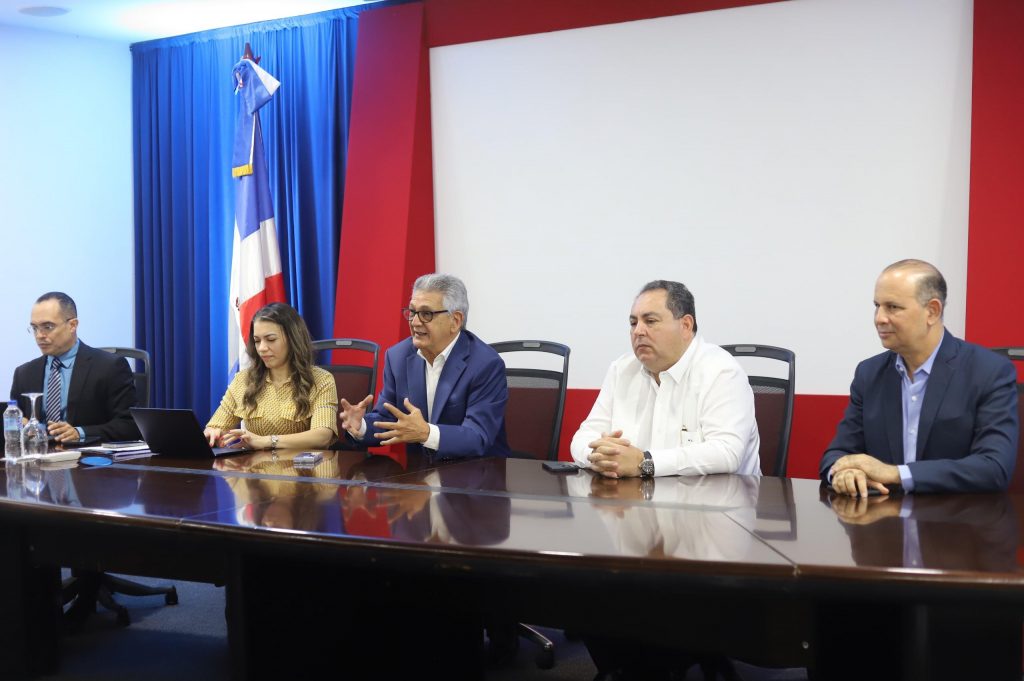
The Director General of the Budget Office emphasized the importance of redoubling efforts to improve health spending for the benefit of the country's growth and development. The Directorate General of the Budget Office (Digepres), in coordination with the National Health Service (SNS), met with representatives of the health sector to discuss issues related to the 2025 General State Budget Bill, under a more comprehensive, strategic, efficient, and equitable approach for the population and the health sector. The meeting was led by the Director General of the Budget Office, José Rijo Presbot, accompanied by the Deputy Director, Iván Ramírez; Mario Lama, Executive Director of the National Health Service (SNS); Odilys Hidalgo, Director of Budgetary Services; and Norvin Bargés, Head of the Department of Services to Local Governments. José Rijo Presbot, Director of the Budget Office, welcoming representatives from at least 12 hospitals across the country, emphasized the importance of redoubling efforts to improve healthcare spending for the benefit of the nation's growth and development. "The public budget for healthcare is limited due to low tax revenue, high levels of debt exacerbated by the COVID-19 pandemic, and macroeconomic shocks stemming from the war between Russia and Ukraine and rising inflation. Therefore, to have a financially sound healthcare system, we must make the budget more efficient," Rijo Presbot stressed during the meeting. Among the topics discussed, Rijo Presbot indicated that, with a view to the 2025 General State Budget, promoting good governance involves listening to diverse sectors, considering sensible perspectives, and having the support of the population. "We are here to assist you with your management and evaluate the results achieved by the healthcare system," the Director of the Budget Office noted. For his part, Mario Lama, director of the National Health Service (SNS), addressed the representatives, explaining that among the health guidelines established by the government led by President Luis Abinader is the principle of smart spending, aimed at achieving greater coverage and improved public health. Among the main aspects listed by participants from the health sector were the budget, self-managed hospitals, primary care, the flow of national and foreign residents, human resource planning, supplies, information systems, incentives, administration, procurement process management, and accountability, among others. The entities agreed on the importance of strengthening primary care. As part of the final agreements, strategies for developing inter-institutional coordination were discussed, with the goal of benefiting the most vulnerable sectors. This initiative was spearheaded by Dr. José Joaquín Puello, director of the Luis Eduardo Aybar Health City. “This meeting marks an important step toward building a more inclusive and efficient healthcare system. The government’s commitment is clear: a comprehensive health policy that responds to the country’s needs,” said José Rijo Presbot at the end of the meeting. Also participating in the event were representatives from the Rosa Emilia Sánchez Pérez de Tavares National Cancer Institute (INCART), the Dominican-Japanese Friendship Medical Education Center (CEMADOJA), the Cardio-Neuro-Ophthalmological and Transplant Center, the Dr. Reynaldo Almanzar Maternity Hospital (HMRA), the Dr. Ney Arias Lora Traumatology Hospital, the Dr. Marcelino Vélez Santana Regional Hospital, the Directorate of Management of the Integrated Financial Administration System of the State (DIGES), the Dr. Vinicio Calventi General Hospital, the Dr. Hugo Mendoza Pediatric Hospital, and Isabel Martínez, head of the Division of the Ministry of Public Health and Social Assistance. Advancing Improvement and Efficiency in Health Services: As part of the discussion on tax reform and its impact on the health sector, Budget Director José Rijo Presbot stated that the reform is based on motivations related to debt reduction, citizen security, and the health sector. Rijo Presbot explained that, despite improvements in the health system in recent years, the government inherited a closed country with limited resources upon taking office; therefore, tax revenues must be increased to better support this and other sectors. A question-and-answer session followed the event. As a result of the meeting, it was agreed to establish a permanent dialogue forum among the participating institutions, with regular meetings to evaluate progress and propose new actions to optimize health services for citizens. The event was held in the Juan Bosch Room at the General Directorate of the Budget (Digepres).
Digepres celebrates 200 weeks of Budget Execution Reporting and presents new citizen tools
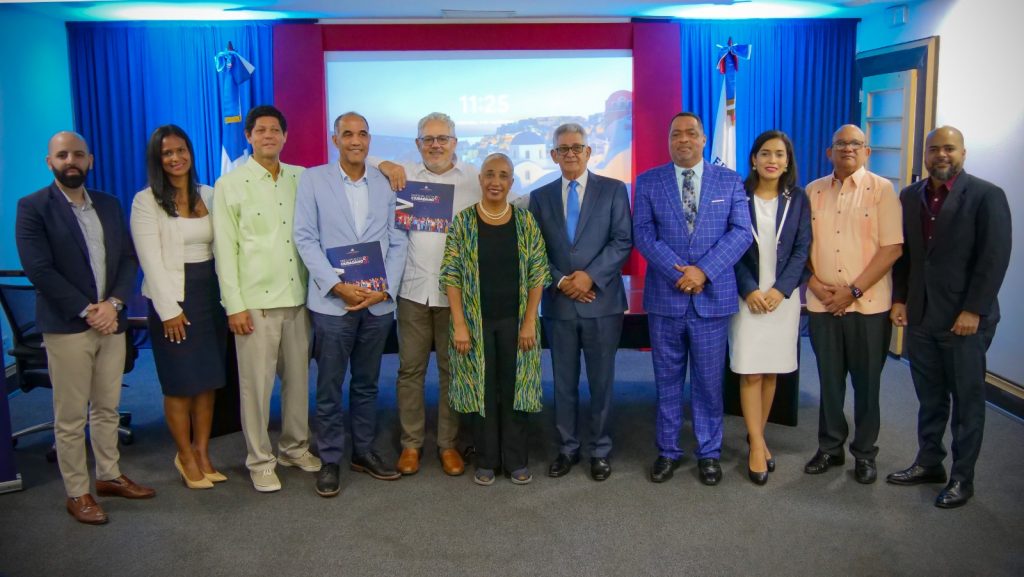
The Citizen Meeting brought together civil society and journalists to learn about the new Budget Simulator and encourage the use of citizen tools available from Digepres as a way to continue promoting transparency and public participation. The General Directorate of Budget (Digepres) held a Citizen Meeting for civil society organizations and journalists to share and celebrate the 200th edition of the Weekly Budget Execution Report, a citizen tool published every Tuesday that contains detailed information on the country's economic and financial activities. The Citizen Meeting, titled "Weekly Report 200: Contributing to the Public's Right to Know," also provided an opportunity to present to the audience, both in person and virtually, the tools that Digepres makes available to the public to increase transparency in the public budget and promote social participation within the budget cycle. The event was led by the Director General of Budget, José Rijo Presbot. Iván Ramírez, Deputy Director of the Budget Office; Manuel Robles, Chief of Staff of the Ministry of Economy, Planning and Development (MEPyD); Berenice Barinas, Executive Director of the General Directorate of Ethics and Governmental Integrity (DIGEIG); Juan Castillo, from the Solidarity Foundation, among other social organizations and journalists, were present. Rijo Presbot, Director of the Budget Office, addressed the attendees, explaining the importance of these meetings for disseminating detailed data and information on the General State Budget. He also presented, as an example, the range of perceptions, criteria, habits, and attitudes that society holds regarding the country's taxation. Rafael Jovine, Director of Economic Studies and Financial Monitoring, welcomed the participants and presented the set of tools shared, which can be accessed on the Budget Office's website and digital platforms. “Law No. 200-04 on Free Access to Public Information establishes the State's duty to provide information to citizens. This, coupled with numerous citizen demands for transparency in the public budget, motivates us in the Government to maintain this ongoing flow and exchange of information, which also enriches our work,” explained Jovine. Katherine Peguero, Coordinator of Economic Analysis and Studies, presented the content and importance of the weekly budget execution report, this time its 200th edition, outlining the analyses and statistics related to the central government's budget planning and execution. Juan Portalatin, Head of the Financial Management Department, and Sorangel González, Head of the Economic Analysis and Studies Department, spoke separately about other tools available to strengthen transparency and actively involve citizens in the decision-making, discussion, and social oversight of the public budget. Representatives from various organizations, including the Juan XXIII Center, the National Union of Press Workers (SNTP), Foro Ciudadano, Ciudad Alternativa, and Budget Directors and technicians, also participated in the event. As part of the citizen toolkit presented at the meeting, Airon Fernández, Economic Studies Specialist at the Budget Office, presented and demonstrated the Budget Simulator, available on the Digepres.gob.do website. The simulator's primary purpose is to serve as a learning and awareness tool, explaining how the budget process works by presenting expenditure scenarios to the public and the potential consequences of different decisions. Participants completed the exercise using the simulator, and the meeting concluded with a question-and-answer session related to the topics presented by the Digepres technicians. The Citizen Meeting on Budgeting fosters direct dialogue between Digepres and the public. This initiative, launched by this administration, seeks to foster citizen participation at every stage of the budget cycle, reaffirming its commitment to the true right to know. The event took place in the Juan Bosch Budget Room.
DIGEPRES obtains ISO certification of the Integrated Quality and Anti-Bribery Management System
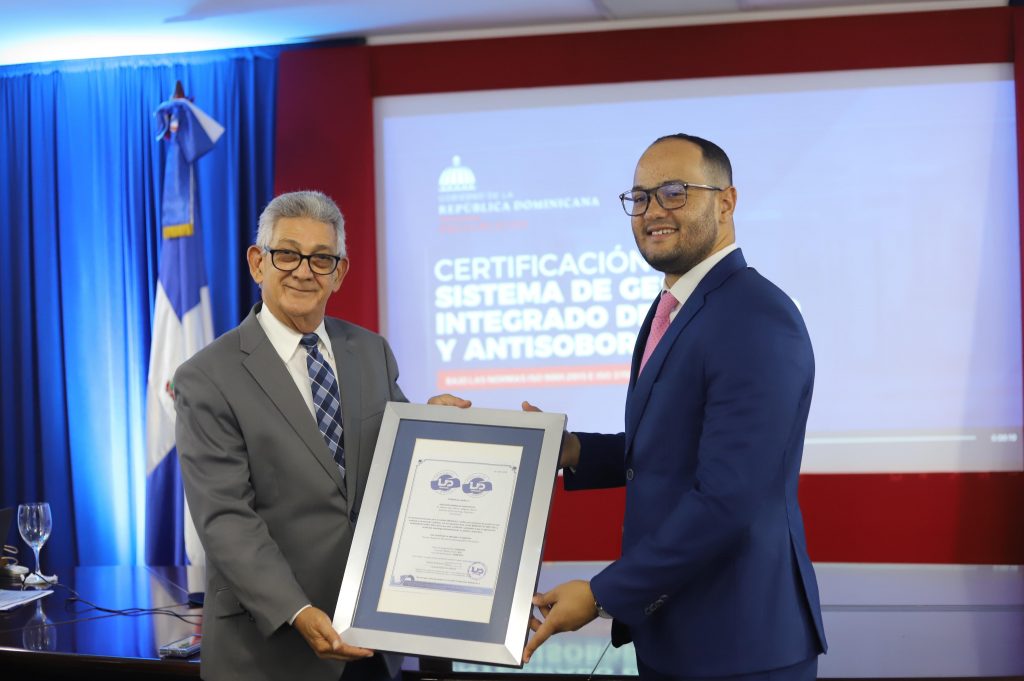
The certification of all budgetary processes strengthens the Budget Directorate's commitment to the application of the law, integrity, and excellence in the services it offers to the public. The General Directorate of Budget (Digepres), for its good practices and performance in complying with its processes and continuous improvements in budgetary matters, obtained certification of its Integrated Management System from the Dominican Institute for Quality (INDOCAL), in accordance with the requirements established by the international standards ISO 9001:2016 on Quality Management Systems and ISO 37001:2016 Anti-Bribery Management Systems. The certification obtained reaffirms the Budget Directorate's compliance with effective and efficient processes aimed at providing quality services and taking action to combat corruption under international standards. At the document presentation, the Director General of Budget, José Rijo Presbot, was accompanied by the Deputy Director General of Budget, Iván Ramírez. Also present were Milagros Ortiz Bosch, Director General of Ethics and Governmental Integrity (DIGEIG); Odilys Hidalgo, Director of Budgetary Services; Patricia Castillo, Head of the Planning and Development Department; Soribel Medina, General Coordinator of the Commission for Governmental Integrity and Regulatory Compliance (CIGCN); Armando Montero, Systems Certification Analyst from INDOCAL, representing Néstor Julio Matos Ureña, President of the entity; Patricia Alberto, Head of Personnel Certification; Pamela Del Rosario and Alberto Almonte, Systems Certification Auditors; Rosanny Santos, Compliance Officer of the General Directorate of Public Procurement (DGCP); and directors, area managers, coordinators, and analysts from DIGEPRES. Upon receiving the certification, Rijo Presbot affirmed the unwavering commitment of the entity he leads to ethics, the law, and compliance with regulations, while also indicating that the achievement aligns with the entity's strategic priorities. Rijo also expressed his gratitude for the work and effort of the Digepres team, acknowledging their constant commitment to raising the bar for processes and continuous improvements both internally and externally. “To the entire Digepres team, thank you for your collaboration, participation, dedication, and achievement of goals. Without you, this certification would not have been possible,” Rijo emphasized during his remarks. Milagros Ortiz Bosch, from DIGEIG, highlighted that the certification was a result of the institution's ethical approach, aimed at building a better country and fostering greater public trust. Patricia Castillo, in her opening remarks, emphasized the discipline and dedication of the organization's staff, and especially her own team, for their progress. “We have grown as individuals, as a team, and as an institution. Thank you for the efficiency and transparency in our institutional work,” Castillo said as she began the event. Armando Montero, INDOCAL's systems certification analyst, upon presenting the certification, stated that this new step represents a milestone for Digepres, as it signifies the delivery of the Integrated Management System's conformity document with the ISO 2001 Quality standard and the ISO 37001 anti-bribery standard. This represents a firm commitment to ethics, transparency, and excellence in institutional management, from senior management to Budget staff. During the event, special recognition was given to the DGCP audit team for their support throughout the process, which was received by Rosanny Santos, compliance officer for that entity. ISO Certification Process: The General Directorate of Budget, through its Planning and Development Department, implemented a series of internal and external actions to strengthen the culture of quality and continuous improvement in Budget processes and services. This initiative aimed to reinforce compliance with international standards and achieve certification of the Integrated Management System under ISO 9001 Quality and ISO 37001 Anti-Bribery. The event was held in the Juan Bosch Room at the General Directorate of Budget.
Digepres completes Institutional Strategic Planning 2021-2024 with projected compliance exceeding 90%
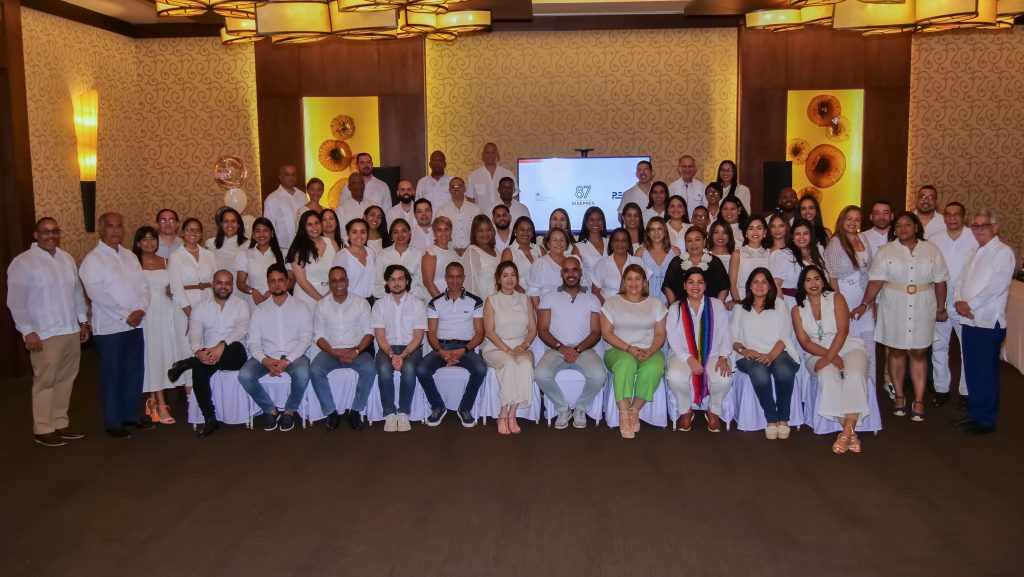
The Budget team presented the performance, goals, achievements, and lessons learned from four years of work focused on the Institutional Strategic Plan (PEI). The General Directorate of Budget (Digepres) held the Strategic Planning and Institutional Strengthening workshop for the 2021-2024 period. The objective was to comprehensively share the execution and achievement of goals across different areas, strategic axes, and indicators, and to establish the work guidelines for the budget and the corresponding PEI for the 2025-2028 period. The review of the planning document, with a projected completion rate exceeding 901% of the target, aimed to reflect on the strategic and programmatic guidelines and foundations of four years of work that will guarantee the future transformations and direction of the financial institution in the short, medium, and long term. The opening and closing of the PEI review workshop were led by José Rijo Presbot, Director General of Budget, and Iván Ramírez, Deputy Director General, along with department heads and representatives of middle management and technical staff from the Budget Office. In his closing remarks, the Director of Digepres, José Rijo Presbot, expressed his gratitude for the work carried out and the results achieved by the Budget team over the past four years. “The important thing here is to understand that with this review of the process, we seek to improve the institution's performance in its dealings with the State and the public,” stated Rijo Presbot. He also highlighted the significant institutional progress made over the years and cited planning as the fundamental tool for forecasting, rational decision-making, and as a guiding element of the strategic process. For her part, Patricia Castillo, head of the Planning and Development department, who, along with her team, is responsible for the evaluation process, thanked the staff for their enthusiastic participation in the workshops. These workshops brought together directors, managers, and area liaisons who, using a collaborative methodology of analysis and experience sharing, critically examined the institutional process implemented to date. The workshop also focused on the need to continue contributing together and designing strategies to achieve future objectives within the framework of public management oriented toward achieving positive results for the well-being of individuals and the development of the country. Strategic Budget Pillars: The Institutional Strategic Budget Plan has three strategic pillars: Efficient Management of the Dominican Budgetary System, Budgetary Transparency and Social Control, and finally, Organizational Strengthening and Development. The Plan's review is based on periodic monitoring of its implementation through multidisciplinary meetings that include the analysis and examination of the goals, products, and strategic indicators designed during the plan's conception. The proposal objectively represents a genuine expression of Digepres' interest in promoting its institutional strengthening, in line with the organization's mission, vision, and purposes.
Digepres participates in the regional workshop on Gender-Responsive Budgeting
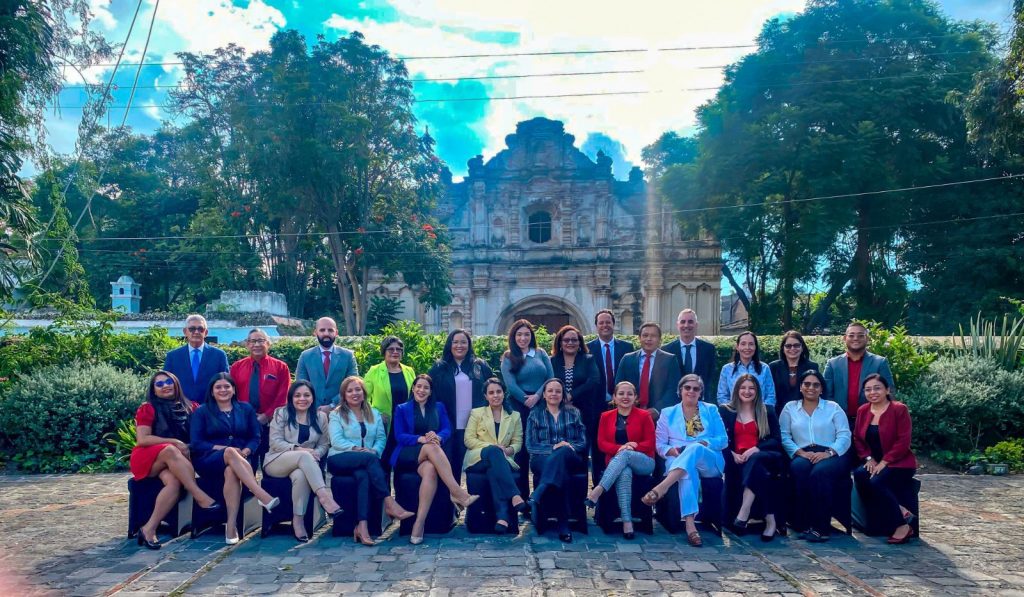
The workshop will focus on the implementation of methodologies and tools to integrate a gender perspective into budget planning. Antigua, Guatemala – The first Regional Workshop on “Gender-Responsive Budgeting” is being held in Antigua, Guatemala, organized by the Regional Center for Technical Assistance in Central America, Panama, and the Dominican Republic (CAPTAC-DR) and the International Monetary Fund (IMF). The initiative, which seeks to strengthen the integration of a gender perspective into public finances, included the participation of José Rijo Presbot, Director of the General Directorate of Budget, representing the Dominican Republic. “Our presence here reaffirms our commitment to this cause, allowing us to visualize the reality of the region in terms of gender-responsive budgeting, promoting equality and ensuring that everyone has the right to live with dignity,” said Rijo Presbot in his remarks. The workshop, held from August 5-8, 2024, opened with the participation of budget administration officials from the seven CAPTAC-DR member countries and experts in gender-responsive budgeting. Among its objectives, this meeting seeks to move beyond theoretical knowledge by providing a space for interaction, collaborative learning, and the active promotion of gender equality in the region's public policies through conferences, presentations of regional experiences, and practical activities. Furthermore, it aims to generate a tangible impact on reducing gender inequality and inequity gaps. This workshop marks a significant step toward building more inclusive and equitable budgeting systems in the region. CAPTAC-DR, the International Monetary Fund's (IMF) Regional Technical Assistance Center for Central America, Panama, and the Dominican Republic, is a collaborative effort between Costa Rica, El Salvador, Guatemala, Honduras, Nicaragua, Panama, and the Dominican Republic. External partners include the Central American Bank for Economic Integration, Colombia, Spain, Luxembourg, Mexico, Norway, the European Union, Canada, and the IMF. CAPTAC-DR was inaugurated in May 2009 in Guatemala City and is one of the regional centers established by the IMF around the world to provide technical assistance and training. The Center's main objective is to assist in strengthening the technical and institutional capacities of its member countries. The Center also seeks to support its members' efforts toward greater regional economic integration. Currently, CAPTAC-DR covers seven areas of work: tax administration, customs administration, public financial management, financial regulation and supervision, monetary and foreign exchange operations, real sector statistics, and public finance statistics.
Digepres holds meeting with alternative and traditional media to promote the use of citizen budgeting tools
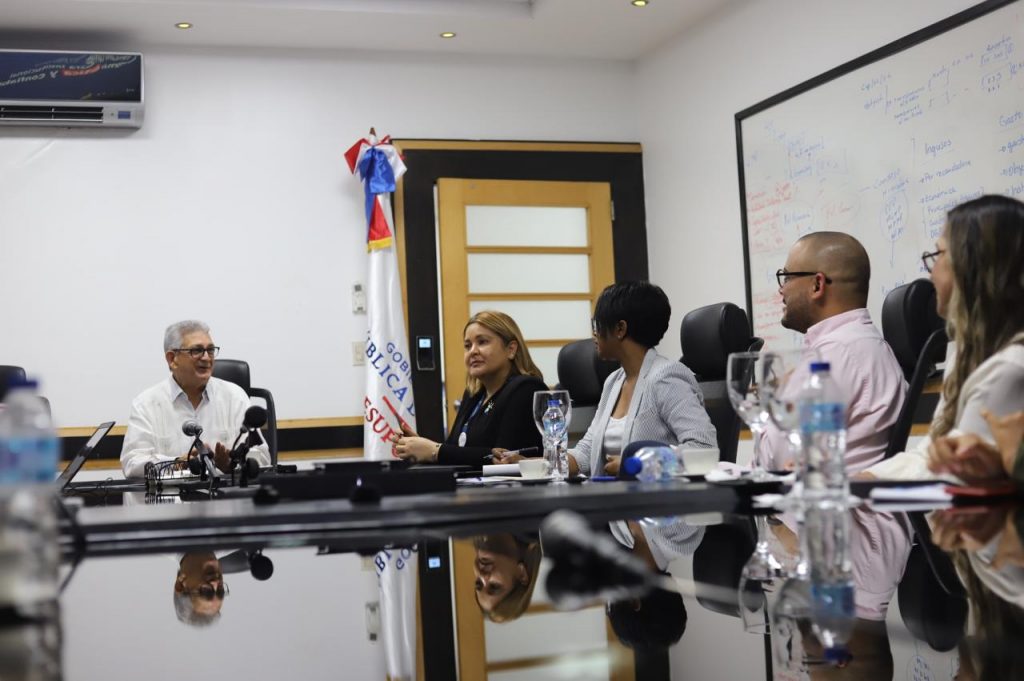
Citizen Meeting is an initiative of the current budget administration that seeks to promote transparency, participation, and social oversight. The General Directorate of Budget held a Citizen Meeting with alternative and traditional media outlets to publicize and reinforce the use of available citizen tools for transparency in the General State Budget and to foster participation and social oversight. This activity is part of the Budget Directorate's ongoing efforts to promote transparency, access to public information, and citizens' right to know. The meeting was led by the General Director of Budget, José Rijo Presbot, who was accompanied by Rafael Jovine, Director of Economic Studies and Financial Monitoring; Ana Miguelina Terrero, Head of Performance Evaluation; Sorangel González, Head of the Economic Analysis and Studies Department; Juan Portalatín, Head of Financial Management for Formulation and Execution; Paola Chaljub, Head of the Communications Department; and Airon Fernández, Budget Programs Specialist. The welcoming remarks were delivered by Rijo Presbot, who addressed various economic topics and debunked misconceptions surrounding the General State Budget (PGE). “Breaking with the concept of a supplementary budget has been difficult for us. It has been reformulated,” reiterated Presbot, referring to the modification of the General State Budget requested by the Executive Branch, usually during the second half of the fiscal year, which must be approved by law in the National Congress. He also emphasized the importance of handling data correctly. “Budget matters are complex in terms of analysis, structuring, and data handling; hence the importance of sound criteria for selecting information,” explained the Budget Director. He added that this Citizen Meeting aims to equip public opinion leaders with the skills to report on the PGE more objectively. The meeting included an explanatory presentation on the use of the tools and information available on the Citizen Budget portal, led by the Digepres technical team. The first presentation was given by Airon Fernández, who explained that the Citizen Meetings are a direct dialogue between Digepres and civil society. This initiative, launched by this administration, seeks to foster citizen participation at every stage of the budget cycle and reaffirm the institution's commitment to the true Right to Know. Ana Terrero then addressed the budget from the perspective of the Implementing Units and how to disaggregate information related to their institutional activities, including goals, planning, and monitoring. Similarly, Sorangel González led a virtual tour of the institutional portal and the Citizen Budget subportal, explaining how to access tools and public information, such as reports and other documents produced by the institution that are of public interest. Juan Portalatin explained the importance of understanding financial concepts and managing data. He also addressed the budget classification systems that aim to standardize and systematize the information necessary for budget formulation, in accordance with the objectives of economic policy. Meanwhile, Rafael Jovine presented the new 2024 budget simulator, available on the Citizen Budget subportal, which engaged attendees and demonstrated how each decision in budget formulation directly impacts every public policy and program developed by the Government. In his presentation, Jovine emphasized that the new public management seeks a more efficient and effective administration in its processes, while also being closer to the citizen. Citizen Meetings and Media Engagement: The General Directorate of Budget (Digepres) has been holding meetings with communication professionals in the field of economics and finance through Citizen Meetings to reaffirm its commitment to transparency, closeness to the public, and to guarantee, for the first time in government, social participation in the formulation of the General State Budget. Citizen Meeting is an open initiative that seeks to bring the Budget closer to the population and can be requested through the email [email protected]. This meeting was attended by economic editors from the newspapers Acento, Diario del País and Diario Libre; in addition, communicators and economists with a presence on social networks.
Citizen Forum presents urban planning alternative proposal for families with housing shortages in the Alcarrizos community
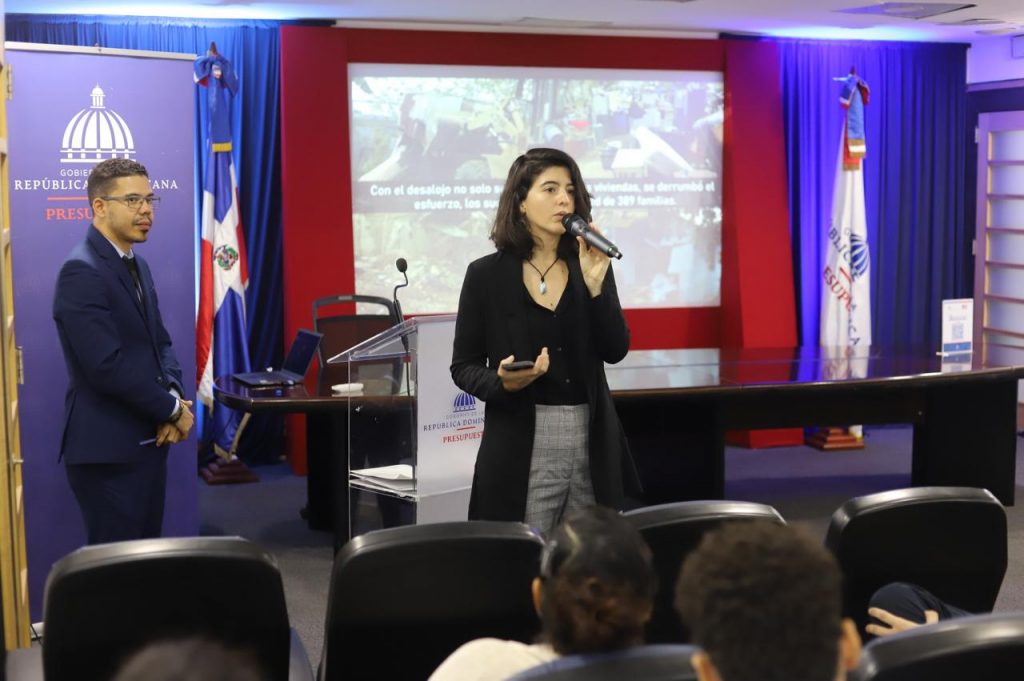
The report was presented at a Citizens' Meeting on Budgeting, which brought together various public institutions and community groups from the Freddy Beras Goico neighborhood. Participants agreed to establish a dialogue to facilitate a comprehensive solution to the problem. The General Directorate of Budget (DIGEPRES) and the Housing and Habitat Commission of Foro Ciudadano held a Citizens' Meeting to address the housing situation of families currently sheltering in the "Los Coquitos" school under construction in the Freddy Beras Goico neighborhood, located in the municipality of Los Alcarrizos. During the meeting, Virginia Pastor, an urban planner from Ciudad Alternativa, presented the comprehensive diagnosis and proposal to government representatives with sectoral responsibility for the issue. The goal was to define an urban and housing alternative for the 389 displaced families, according to field surveys conducted by Ciudad Alternativa. In the presentation given by members of civil society, the implications of forced evictions were emphasized, as they render invisible the efforts of individuals and families to create a physical and social space that allows them to develop memories and a sense of belonging built over a lifetime. Similarly, the proposal outlines support for communities and the promotion of social housing production projects and the right to housing for those who lack it and wish to obtain it through alternatives to the real estate market. Following the presentation, a discussion took place, using as a starting point the data presented by the team from the Housing and Habitat Commission of Foro Ciudadano. The meeting concluded with an agreement to establish a working group between civil society organizations, including community members from the sector, and government institutions, comprised of the Ministry of Housing and Buildings (MIVED), the Ministry of Economic Planning and Development (MEPyD), the Santo Domingo Province Senatorial Office, and the National Council for Presidential Management (Conagep). About the Citizen Meeting: The Citizen Meeting was sponsored by DIGEPRES, represented by its Director General, José Rijo Presbot; Iván Ramírez, Deputy Director General of Budget; Juan Luis Corporán, Deputy Director of Ciudad Alternativa; Digna Reynoso, Executive Director of the National Council for Presidential Management (Conagep); Manuel Mercedes, President of Human Rights; as well as representatives from the Ministry of Housing and Buildings (MIVED), the Ministry of Economic Planning and Development (MEPyD), the Santo Domingo Province Senatorial Office, COOHABITAT, and technicians from Ciudad Alternativa and the Budget Office. Also present were Odilys Hidalgo, Director of Budgetary Services; Griselda Gómez, Director of the Directorate of Quality and Evaluation of Budget Management; and Rafael Jovine, Director of Economic Studies and Financial Monitoring of the Budget Office. Rafael Alejandro Morel, Rosa Ruiz, and Lester Silfa, from the Ministry of Housing and Buildings (MIVED), and representatives from the Ministry of Economy, Planning, and Development (MEPyD), along with Budget and Alternative City officials and technicians, participated in the event. The welcoming remarks were delivered by Rafael Jovine, who emphasized that DIGEPRES, as the governing body of the General State Budget, seeks to encourage social participation in the budget formulation stage. “These meetings are proactive, going beyond simply monitoring government institutions' budgets or ensuring transparency in public accounts. They also aim to generate specific solutions to societal problems,” Jovine stated. The closing remarks were delivered by the Director General of the Budget, José Rijo Presbot, who highlighted the importance of the event, provided an overview of the country's fiscal situation, and underscored the necessity of this dialogue forum. The Government and its commitment to housing policy. It is worth noting that decent and adequate housing, a fundamental human right, has been included as one of the main priority policies of the current National Multi-Year Public Sector Plan 2021-2024, with metrics for expected results, public production targets, identification of participating institutions, and public investment projects with budget allocations. Furthermore, the Government Program 2024-2028 identifies housing as one of the drivers of development, as a basic premise for people's quality of life. The event took place in the Juan Bosch Hall at DIGEPRES.
Digepres and Fundación Solidaridad hold Citizen Meeting to socialize budget transparency tools
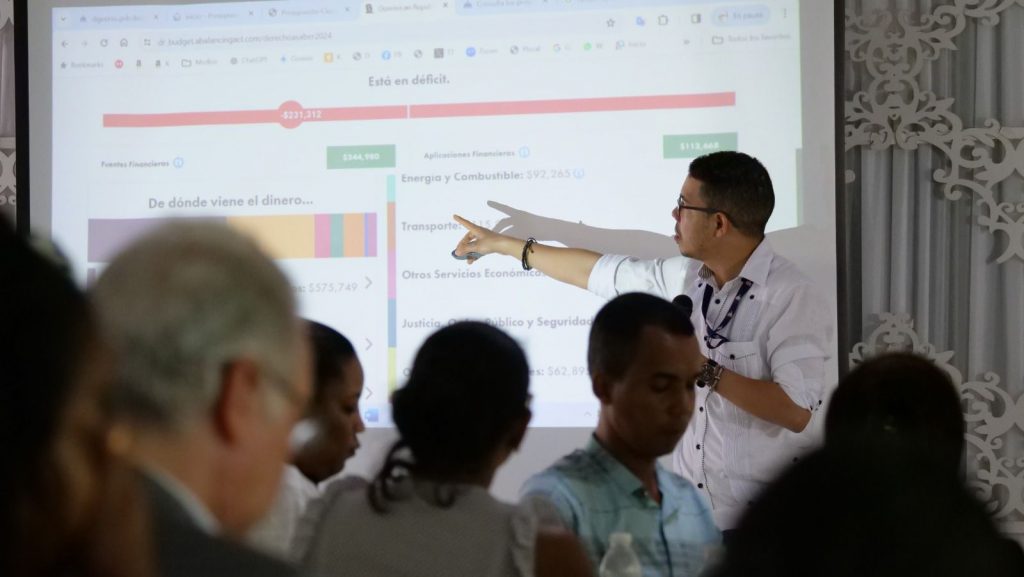
The Citizen Meeting held in Santiago aimed to highlight the importance of open budgeting practices to guarantee transparency and social oversight. Santiago – The General Directorate of Budget (Digepres) and the Solidarity Foundation held a Citizen Meeting to share available budget transparency tools and thereby improve access to clear and verifiable information on the use of public resources, strengthening accountability and citizen trust in government institutions. The meeting, held in Santiago de los Caballeros, also sought to highlight the importance of open budgeting practices to guarantee transparency and social oversight. Participants included Domingo Matías, Vice Minister of Territorial Planning and Regional Development of the Ministry of Economy, Planning and Development (MEPyD); Juan Castillo, Executive Director, and Kathia Lambis, Researcher, of the Solidarity Foundation; and Rafael Jovine, Director of Economic Studies and Financial Monitoring. Airon Fernandez, Budget Programs Specialist from the Budget Analysis and Economic Studies Department, and Marcos Gómez, from the Territorial Planning Office of the Santiago de los Caballeros City Council, were present. The welcoming remarks and objectives of the event were shared by Lambis, who emphasized the importance of these meetings for understanding how public resources are invested and their intended use. The first presentation was given by Domingo Matías from the Ministry of Economy, Planning and Development (MEPyD), who spoke about the challenges of territorial planning under the new municipal administration. Among his explanations, he highlighted the benefits that community input brings to the development projects compiled in their territories through the Single Registry of Territorial Citizen Demands (RUDCT), which are then considered in the national budget. Juan Castillo presented the results of the Open Budget Survey, which ranks the country fourth globally out of 125 countries and first among Latin American and Caribbean countries, according to data from the International Budget Partnership (IBP). “The Open Budget Survey (OBS) is the result of collaborative research between the International Budget Partnership (IBP) and civil society organizations in 125 countries, representing diverse regions and income levels over a 16-month period,” Castillo said. He also noted that the Survey is the only comparative and independent measure of budget transparency worldwide, regularly used by governments, donor agencies, and civil society organizations. Tools for Budget Transparency and Social Oversight: Rafael Jovine, Director of Economic Studies and Financial Budget Monitoring, presented the tools that bring the budget closer to citizens, increasingly closing the gaps and reducing budgetary discretion between public institutions and the public. “Previously, the public finance information available to officials was far more extensive than that available to the general public. This has decreased, and much of the information I will present is already accessible to you,” explained Rafael Jovine in his presentation. The economist outlined how to access information available on the Digepres portal, including interactive videos, citizen forums, documents, and reports that illustrate the state of public finances. He also presented the Citizen Budget portal, which summarizes the five volumes of the General State Budget (PGE). Among the tools shared by Jovine was the 2024 Budget Simulator, which allows citizens to see how revenues are spent and simulate income and expenditure allocations that best suit their preferences, within established parameters. This enables them to submit their “ideal budget” to the government, along with comments and opinions. He also addressed the PGE formulation process, the budget cycle, and the stages involved, such as formulation, discussion, approval, execution, and evaluation. Finally, Rafael Jovine emphasized the importance of constant citizen oversight of public resources to ensure they are used in strict accordance with the law. The event was attended by municipal officials and social organizations from the province interested in the topic and concluded with a question-and-answer session based on the information presented and current events in the country.