EN
 ES
For the fourth consecutive year, public institutions have resources available to execute their expenditures starting January 10th.

The measure is the result of significant government efforts to streamline budgeting processes. In this regard, the execution of the 2024 General State Budget is formally underway, earlier than ever before, and the annual planning previously carried out by the institutions is being implemented. The Director General of the Budget, José Rijo Presbot, announced the start of the 2024 budget execution process, beginning January 10th, through the State Financial Management Information System (SIGEF). This way, during the four fiscal years of President Luis Abinader's current administration, institutions can have these resources available in a timely manner for their execution and the achievement of their targets just days after the start of the year. The Director General of the Budget made the announcement during the Council of Ministers and Directors General meeting held this Tuesday at the National Palace, chaired by President Luis Abinader and Vice President Raquel Peña. The meeting addressed in detail the internal processes planned for the 2024 budget execution, the stages of expenditure, and their respective records. In this regard, the meeting served as the initial coordination point between the General Directorate of Budget (DIGEPRES), as the governing body of the budget cycle, and the highest ministerial authorities, in order to guarantee the proper execution of the resources allocated by Law No. 80-23, the 2024 General State Budget. Following the enactment of the aforementioned law and its subsequent administrative distribution, the budget execution process formally begins. This process is available to each public institution through the State Financial Management Information System (SIGEF), enabling them to register and manage the expenditure transactions and commitments required to carry out their programmed activities during the fiscal year, in accordance with their planning. Historically, the availability of these resources for implementation caused significant delays in institutional and overall government performance. However, this poor practice has been overcome by the current administration after four years of full and timely compliance. This achievement is due to prioritizing efficient planning and management, streamlining the budget cycle processes to improve the quality of public spending. With the announcement, Rijo Presbot also reiterated that, as part of the implementation processes for 2024, institutions will prepare their budget programs, adhering to the current legal framework and the regulations and guidelines established by DIGEPRES. He also emphasized that, according to Decree No. 15-17, institutions may not initiate purchasing or contracting processes, nor transfer funds to the private sector, without a "Budgetary Appropriation Certificate." It is important to remember that, through Resolution No. 157-2022 of the Ministry of Finance, it was established that this certificate is automatically generated in the SIGEF system from the Transactional Portal, guaranteeing that the amount is reserved throughout the entire process until the contract is signed. Transparency, among major achievements of budget management. It is worth highlighting that, among the major achievements of the current budget management, the Dominican Republic has positioned itself among the top 3 countries with the greatest budget transparency in the Americas and number 9 in the world. These efforts toward transparency and social oversight include the publication, for the first time ever, of the Weekly Budget Execution Report, available every Tuesday through the Digepres.gob.do portal and the social media accounts @DigepresRD, which allows for detailed monitoring of the management of public resources.
Rijo Presbot: “The Government’s strategic commitment for 2024 is to continue consolidating the economic recovery”

El director general de Presupuesto presentó el Proyecto de Ley del Presupuesto General del Estado 2024 a la Asociación Nacional de Jóvenes Empresarios (ANJE) en un Encuentro Ciudadano. En el marco de la iniciativa de participación y control social, Encuentro Ciudadano, el director general de Presupuesto, José Rijo Presbot, presentó a los miembros de la Asociación Nacional de Jóvenes Empresarios (ANJE), el Proyecto de Ley del Presupuesto General del Estado 2024. En el Encuentro, Rijo Presbot apuntó que, “la apuesta estratégica del Gobierno del presidente Luis Abinader para el 2024, es seguir consolidando la recuperación económica”. Durante el Encuentro Ciudadano, Rijo Presbot indicó, además, que para continuar con los avances que exhibe el Gobierno en materia financiera seguirán apostando al desarrollo del empleo, gracias a la confianza que el sector privado tiene en la gestión. “Nosotros creemos que para el 2024, seguiremos impulsando una ruta sostenible de la economía”, destacó el director de Presupuesto. La disertación inició explicando al grupo empresarial que gracias a las mejoras en materia económica la agencia calificadora Moody’s elevó la perspectiva de la República Dominicana, al tiempo de reconocer, entre otros factores, el manejo eficiente y proactivo de la deuda pública del país. “Hemos disminuido el financiamiento sin que impacte de manera negativa en el déficit, lo que significa un indicador de sostenibilidad económica”, resaltó Rijo Presbot. En otro aspecto, abordó temas de corte social indicando que, seguirán comprometidos con las reformas y mejoras en el sector salud, educación, agricultura, agua, vivienda y lo que denominó “escudo social” dirigido a la población más vulnerable. “El compromiso serio de esta gestión es con el acceso al agua y vivienda, en este último, se han destinado alrededor de 26 mil millones de pesos, gracias a una eficientización del gasto de capital”, dijo Rijo Presbot. El director de Presupuesto compartió también temas vinculados a la distribución del Presupuesto, las mejoras a nivel salarial, aspectos de los gobiernos locales, ingreso y estructura tributaria. También subrayó la importancia de los trabajos realizados en el contexto del Proyecto Presupuesto Plurianual Orientado a Resultados con Modalidad Dinámica, modelo conceptual y funcional para el nuevo sistema presupuestario dominicano. “Estamos decididos a realizar las transformaciones y reformas que el país necesita y creo que en estos tres años de Gobierno hemos avanzado a ese objetivo a pesar de la economía de guerra que existe a nivel internacional y los eventos climatológicos que hemos enfrentado en el país”, indicó Rijo Presbot. La actividad que reunió a jóvenes del ámbito empresarial fue llevada a cabo en las instalaciones de ANJE. En la misma participaron técnicos de Presupuesto junto a los miembros y socios del gremio. Composición del PGE 2024 y su aporte ciudadano José Rijo Presbot explicó que el Presupuesto General del Estado es la herramienta de gestión que tienen los gobiernos para proyectar los ingresos y gastos públicos, que les permite cumplir con la prestación de los bienes y servicios y cumplir sus políticas, planes, programas y proyectos indispensables para la satisfacción de las necesidades de la población. Finalmente, invitó a la ciudadanía en general y a los miembros de la Asociación Nacional de Jóvenes Empresarios (ANJE) a consultar a fondo esta herramienta ciudadana y adentrarse en su Informe Explicativo, conocer supuestos macroeconómicos, aspectos de la economía mundial y articulados que componen el documento, como una forma de mantener los niveles de transparencia, participación ciudadana y el control social necesarios para la gestión presupuestaria que se lleva a cabo desde la Dirección General de Presupuesto.
Poder Ejecutivo deposita en el Congreso proyecto de presupuesto 2024 ascendente a RD$1,371,992.8 MM

Contempla recursos para continuar la reforma policial, proyectos de inversión de alto impacto social y la protección a las familias vulnerables Santo Domingo. – El Poder Ejecutivo, a través del Ministerio de Hacienda y la Dirección General de Presupuesto, sometió este jueves al Congreso Nacional, el proyecto de Ley de Presupuesto General del Estado para el 2024, en el cual se estima que los ingresos alcancen los RD$1,140,680.7 millones, equivalentes al 15.4 % del producto interno bruto (PIB). El documento fue recibido por Alfredo Pacheco, presidente de la Cámara de Diputados. En la pieza, entregada por el director general de Presupuesto, José Rijo Presbot, y el subdirector general de Presupuesto, Iván Ramírez, se proyecta que los gastos totales ascenderían a RD$1,371,992.8 millones en el Gobierno Central, representando un 18.5 % del PIB estimado para el 2024, monto que incluye la continuación y finalización de importantes construcciones públicas para seguir propiciando el desarrollo de las actividades productivas y el cierre de la brecha en materia de infraestructura. Vale destacar, además que el total de gastos consolidados del Gobierno General Nacional (GGN) se situaría en RD$1,457,253.7 millones. Esta diferencia es resultado de los ingentes esfuerzos por transparentar los flujos netos de transferencias que ocurren entre diferentes ámbitos del sector público. En tal sentido, el Gobierno General Nacional incluye no solo el monto asignado al Gobierno Central, sino también aquellos recursos dirigidos a Organismos Autónomos y Descentralizados no Financieros y de las Instituciones Públicas de la Seguridad Social. Entre las obras figuran el Monorriel de Santiago, que recibirá una asignación de RD$21,027.3 millones, la finalización de la extensión de la Segunda Línea del Metro de Santo Domingo con RD$13,024.7 millones, la reconexión de la Línea Noroeste con Santiago y la construcción de nuevas vías en el Cibao Noroeste, que impulsarán el avance de las cuatro provincias de la región. También, se destaca el desarrollo del Puerto de Manzanillo, que constituirá una nueva ruta de conexión comercial de la República Dominicana con los mercados internacionales, el fortalecimiento de la intervención integral en la autopista Duarte, así como las obras viales en las regiones Valdesia y Enriquillo para mejorar la conectividad de Pedernales con el resto del país. Además, en materia de gasto de capital para la ejecución de proyectos de alta rentabilidad social, incluye la construcción y ampliación de planteles educativos, con una asignación de RD$9,433.2 millones; la reparación y remodelación de hospitales, con RD$4,203.0 millones; la construcción y rehabilitación de puentes, carreteras y caminos vecinales con RD$14,345.5 millones; y la edificación de estancias infantiles, acueductos y plantas de tratamiento de aguas residuales, entre otras. El proyecto presupuestario contempla una asignación de RD$99,193.0 millones para subsidios, de los cuales RD$86,393.0 millones serían destinados a respaldar las operaciones de las empresas distribuidoras de electricidad (EDE), cuyos resultados financieros se encuentran estrechamente ligados a la dinámica de los precios internacionales de los hidrocarburos. Asimismo, se destinarán RD$1,600.0 millones para subsidios al transporte, RD$1,200.0 millones para la harina y RD$10,000.0 millones para los combustibles, recursos con los que se persigue mitigar posibles mermas del poder adquisitivo de los hogares, debido a un entorno doméstico e internacional de riesgos inflacionarios. “Como parte del compromiso del Gobierno de garantizar un nivel de vida digno a toda la ciudadanía, se contempla la asignación de recursos para el programa de construcción de viviendas para personas en condición de pobreza y pobreza multidimensional, el cual tocará 11 provincias en distintas regiones”, detalla la comunicación con la que se remitió el proyecto. Para continuar los avances de la reforma policial, el PGE 2024 incorpora una asignación de RD$2,000 millones, recursos que procuran fortalecer las capacidades técnicas y mejorar la formación de los cuerpos de seguridad nacional, destacándose el proyecto de modernización del modelo educativo del Instituto Policial de Educación Superior y la continuación de la construcción y reconstrucción de destacamentos en varias provincias. De igual forma, se contempla la continuación de la construcción de la verja perimetral inteligente en la zona fronteriza. Para el sector educativo, el PGE asigna el 4 % del PIB, ascendiendo a RD$297,041.5 millones, monto que se destinará fundamentalmente a ampliar la cobertura educativa, eficientizar la administración del sistema y a mejorar la calidad del servicio, así como las condiciones de los estudiantes y del personal docente. Para la educación superior se destinarán RD$1,085.6 millones para los proyectos de extensión de centros regionales de la Universidad Autónoma de Santo Domingo, impactando provincias del norte y sur del país. En materia de salud, se mantiene el Programa de Acceso a Medicamentos de Alto Costo, que actualmente beneficia unos 15,000 pacientes, registrando una expansión sin precedentes en su alcance en la actual gestión, y se incluye el programa de abastecimiento de ambulancias, con la finalidad de mejorar las respuestas frente a emergencias. Dadas las estimaciones de los ingresos y los topes presupuestarios requeridos para acomodar la creciente demanda de recursos, necesarios para salvaguardar el poder adquisitivo de los hogares y a su vez fortalecer los pilares del crecimiento y el desarrollo, el presupuesto plantea un déficit fiscal de RD$231,312.1 millones, un 3.1 % del PIB, lo que supone el sostenimiento de su reducción. El resultado fiscal proyectado y las aplicaciones financieras previstas suponen fuentes financieras ascendentes a RD$344,980.21 millones, equivalentes a un 4.65 % del PIB, inferior a lo observado en años anteriores.
Rijo Presbot highlights good performance in budget execution for 2023 and reiterates that the Government maintains savings and control of spending
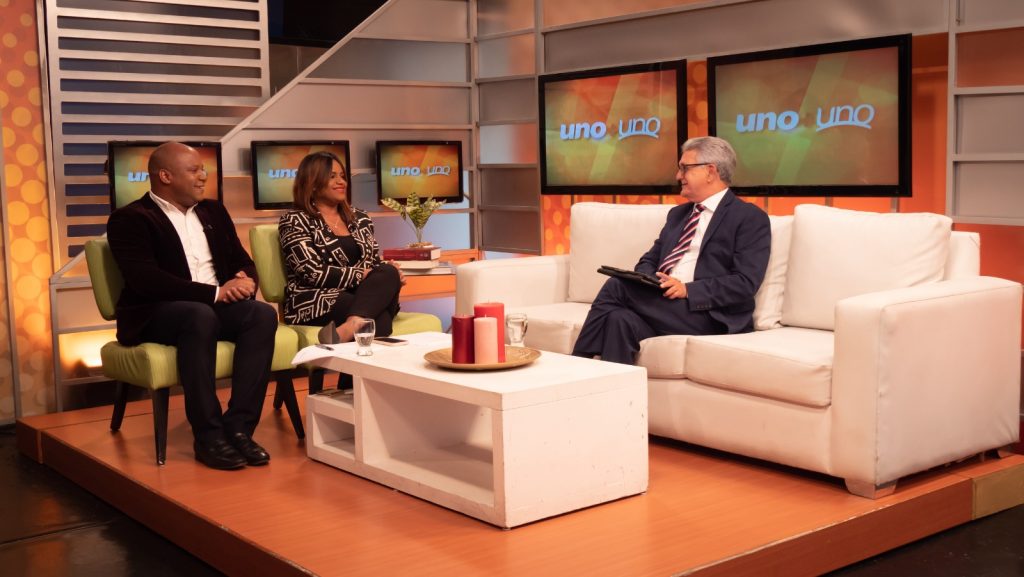
The Director General of the Budget, José Rijo Presbot, announced that work is already underway on the 2024 budget policy and the transformation of the SIGEF (General State Budget System). He highlighted that this year's budget execution has progressed in accordance with the estimates in the General State Budget and praised the planning involved in formulating the document to allocate funds to institutions. "The 2023 budget execution is going very well, because in terms of revenues, compared to the estimate, we have 99.61% execution; regarding capital expenditures, we have 871% execution compared to the budget for the period; while current expenditures are at 841%," Rijo Presbot stated. Similarly, he stated that capital expenditures have been executed more than planned and reiterated that, as a cost-saving and control measure, certain expenses remain restricted, such as those related to furniture and real estate. According to the Budget Director, these represent only 11.3 trillion pesos of total expenditures, and of the 26 billion pesos budgeted, only about 6 billion pesos have been spent. Rijo added that the same control is maintained in the purchase of materials and supplies, of which only 16 billion pesos have been spent out of a budget of 63 million pesos, representing 31.3 trillion pesos of total expenditures and an execution rate of 271.3 trillion pesos. He further indicated that the revised budget will only require adjustments based on the goals and performance of the institutions. He also asserted that the construction sector is the area with the greatest demand for the revised budget. The Budget Director reiterated that from day one, President Luis Abinader's administration has established sufficient controls to prevent the diversion of resources to expenditures not aligned with tangible targets. He highlighted the collaborative effort between the Budget Directorate (Digepres), the Procurement and Contracting Office, the Comptroller's Office, the Treasury, and the Government Accounting Directorate to ensure that no official engages in outdated illegal practices. He recalled that previously, expenditures not included in the budget were executed, and because they lacked appropriation certification, they were carried over to the following year as a reduction in accounts payable or administrative debt. "That is no longer possible," Rijo Presbot emphasized, "because the control stems from the General State Budget Law itself, which includes an article stipulating that any official who executes expenditures outside the budget and generates administrative debt will have to pay it with their own personal assets." A New SIGEF: Digepres Project. The Director General of the Budget announced that a project is underway to implement significant changes to the Financial Management System (SIGEF) in order to improve budget formulation and increase transparency regarding the goods and services that each institution provides to citizens. “We have defined this project as a Multi-Year Results-Oriented Budget with a Dynamic Approach, which is an improvement to SIGEF, a transformation of the conceptual, functional, programmatic, and geographical aspects of the General State Budget,” he noted. The project has the support of the Inter-American Development Bank (IDB) and, according to Rijo, among other major advantages, will allow for greater unification of planning with the budget. In an interview on the morning show Uno + Uno, alongside journalists Milizen Uribe and Stalin Montero, Rijo announced that they are already working on the 2024 budget. “In fact, no later than June 30, the Ministry of Finance, headed by Minister Jochi Vicente, will deliver the budget policy for next year to the president, so that the Council of Ministers can discuss and approve it no later than July 9,” stated the Budget Director. The General Directorate of Budget, through its institutional website Digepres.gob.do, provides the public with the Budget Calendar, a tool that allows users to track each stage of the General State Budget cycle. Additionally, every Tuesday, it publishes the Budget Execution Report on its social media accounts, @DigepresRD, to provide insight into how the central government manages public resources.
Digepres presents progress in budget management of the water sector
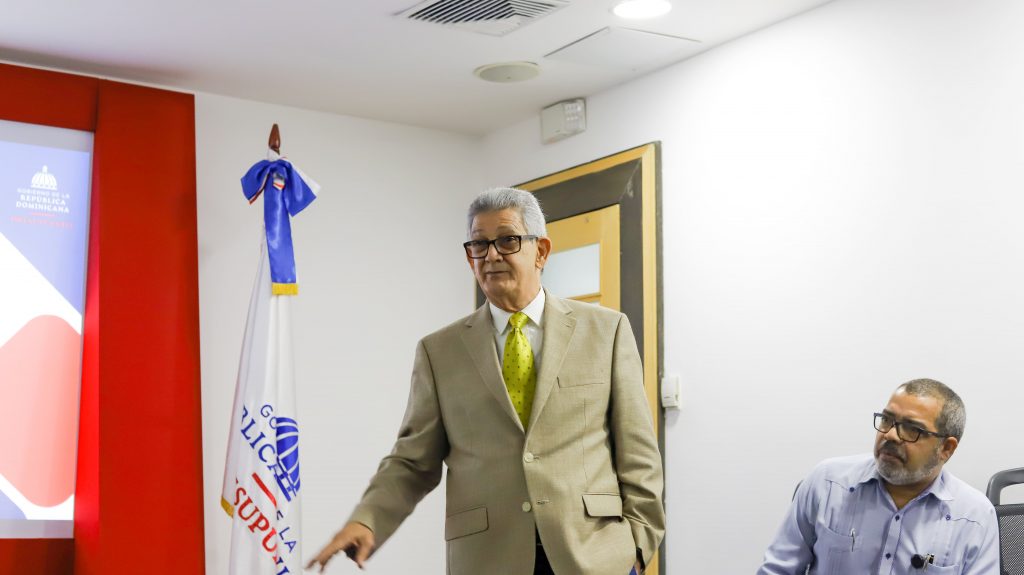
More than 401,000 public water sector companies are already executing their budgets through SIGEF. The General Directorate of Budget presented the progress achieved by water sector companies that have adopted the online execution method in the first quarter of the year through the Financial Management Information System (SIGEF). This initiative responds to Presidential Instruction No. 8661, issued on April 29, 2021, which mandates that Non-Financial Public Companies must execute their budgets through SIGEF. It is part of the General Directorate of Budget's Institutional Strategic Plan, which aims to strengthen budget management and transparency. In a presentation led by the Director General of the Budget, José Rijo Presbot, and Ana Lucía Burgos, Head of Public Enterprise Services at the Budget Directorate (Digepres), it was announced that, of the eight Water and Sewerage Corporations (CORAA) and the National Institute of Drinking Water (Inapa), four have completed their integration into the Integrated Financial Management System (SIGEF) between January and March. The remaining entities are partially integrated and are working to finalize pending activities so that, between April and June, they can complete their integration into the system and execute their budgets online. Moca, La Romana, Boca Chica, and La Vega are the four corporations currently using the system. Rijo Presbot took the opportunity to reiterate the need to continue complying with regulations and adhering to transparency in the management of public resources, and emphasized the Budget Directorate's support for continuing to promote efficiency and transparency. "There is a commitment from the President, a will, which has our support to continue efficiently resolving the water problem," added Rijo Presbot. Performance Improvements and a More Transparent Process According to the report submitted by Digepres, the expenses of entities in the water sector began to be recorded in SIGEF starting in February with an amount of RD$272.92 million, primarily allocated to contracting services. In March, the amount reached RD$738.83 million, along with a greater breakdown of expenses, such as the construction of hydraulic and sanitary works, payroll, and the purchase of materials and supplies. This demonstrates an improvement in the performance of the entities executing their budgets through SIGEF. The Integrated Financial Management System (SIGEF) is an online tool that allows public institutions to manage their budgets, record their accounting, and authorize payments, serving as a mechanism for transparency in public administration. Wellington Arnaud, Executive Director of Inapa, was present at the meeting. Alberto Rodríguez, Financial Director of the Santo Domingo Water and Sewerage Corporation (CAASD); Andrés Burgos, Director of Coraasan; Reynaldo Méndez, Director of Coraamoca; Wandy Batista, Director of Coraarom; Oliver Nazario, Director of Coraaplata; Félix de la Cruz, Director of Coraabo; Roque Badía, Director of Coraamon; and Vladimir Viloria, General Director of Coraavega.