EN
 ES
Rijo Presbot: “Never before has the budget been so transparent.”
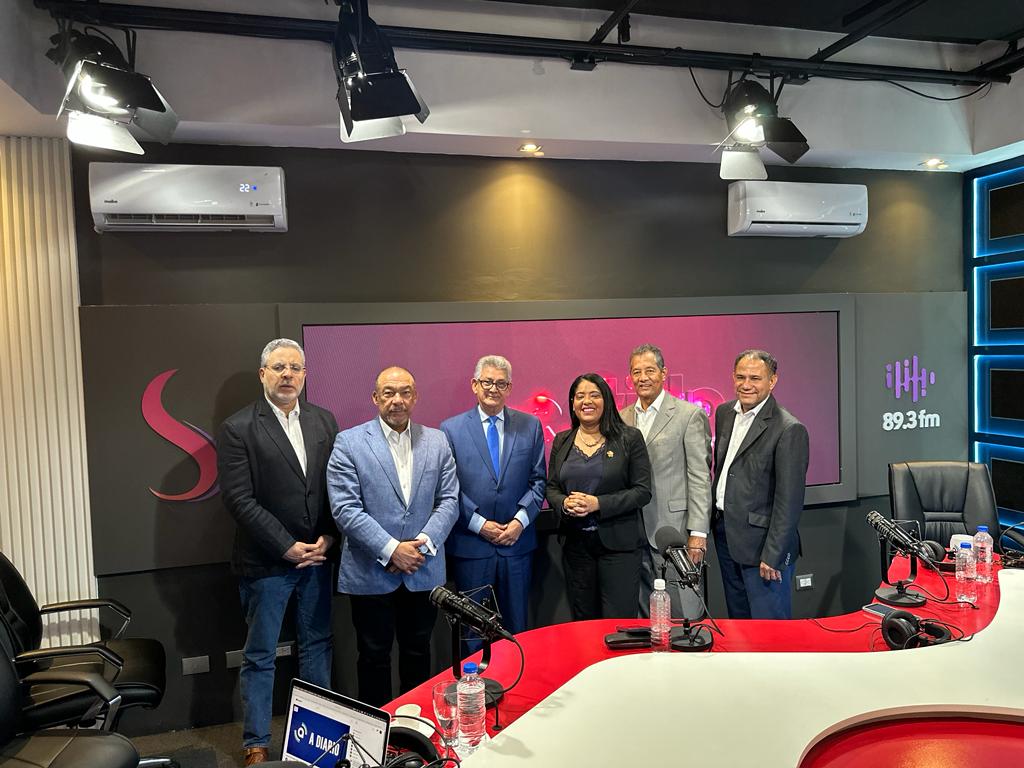
The Director of the Budget Office highlighted the country's performance in terms of the economy and growth, asserting that the Luis Abinader administration has accomplished more with fewer resources, despite the challenging circumstances and the international landscape. The Director General of the Budget Office, José Rijo Presbot, praised the progress made in this budget management, particularly in terms of transparency and the fight against corruption. He noted that the current administration has focused on strengthening controls to prevent waste and illegal borrowing. "We have achieved third place in the region for budget transparency and ninth place out of 120 countries evaluated, because our fundamental principle is transparency and adherence to the law," stated Rijo Presbot. He also emphasized that, due to the established control and monitoring measures, it is impossible to conduct a bidding process without the necessary budget allocation, as the Procurement and Contracting Portal is connected to and registered with the Financial Management Information System (SIGEF) portal. According to the Budget Director, despite the challenging situation from 2020 to 2022, the Dominican Republic has been recognized by international banks, by the International Monetary Fund (IMF), and has been the only country whose risk rating improved, despite the pandemic and its effects. Regarding public investment, Rijo made a historical comparison, stating that, “in terms of water, between 2018 and 2019, the governments of Fuerza del Pueblo and the PLD only invested RD$1,441,700; in contrast, despite facing a challenging situation, not only in terms of the pandemic, but also the impact of the war between Russia and Ukraine and all the imported inflation, between 2021 and 2022 we invested RD$1,441,360,000 in water; in housing, the governments of Leonel and Danilo invested RD$1,441,840,000 in two years, and we, between 2021 and 2022, invested RD$1,441,600,000,000.” He added that in land infrastructure alone, investment exceeded RD$301,300 over the previous two years, even though there was neither a pandemic nor a war during those years. “This government doesn’t know how to spend on corruption.” The Budget Director revealed that the old practice of incurring administrative debt has ceased under this administration and explained the increase in these illegal debts from 2010 to August 2020. “To give you an idea, in 2010 the administrative debt was RD$1,443 billion; in 2017, RD$1,448 billion; in 2018, it rose to RD$1,445 billion; in 2020, it reached RD$1,446 billion, and all of this was done in violation of the Budget Law.” According to Rijo, this represented, on average, RD$251,330 billion in debt incurred by the previous government. He recalled that from January 1, 2020, to August 14 alone, RD$1,446.2 billion in illegal debt was incurred, debt that was not generated through the budgetary process. Rijo stated that "this government doesn't know how to spend on corruption." The level of indebtedness began in 2008. Rijo explained that the debt, as a result of the deficit, began in 2008 with the reelection of Leonel Fernández and due to non-compliance with the National Development Strategy Law, which mandated the Fiscal Pact. "In 2008, with the reelection of Leonel Fernández, the accumulation of needs began because there were more expenses than income, and as an act of government irresponsibility, they should have complied with the law mandating the fiscal pact in 2015. It wasn't approved because it didn't benefit Danilo's reelection in 2016, and that affected all fiscal policy for the following years," Rijo Presbot stated. He estimated the deficit and debt level between 2017 and 2019 at 3.51% of GDP, while between 2021 and 2023, the deficit has remained at an average of 31%, despite the aforementioned circumstances. He stated that, although Congress authorized borrowing RD$1.363 billion this year, the financing need has been reduced to RD$1.333 billion due to internal savings, efficient spending management, and improved revenues—a reduction of RD$1.66 billion for this year. Rijo's statements were made during an interview on the radio program "A Diario," hosted by journalists Christian Jiménez, Pablo McKinney, Rosario Medina, Francisco Arias, and Julián Roa, which airs on Sentido 89.3 FM, part of RCC Media.
Budget Director presents Dominican Republic's budget management progress to IMF mission
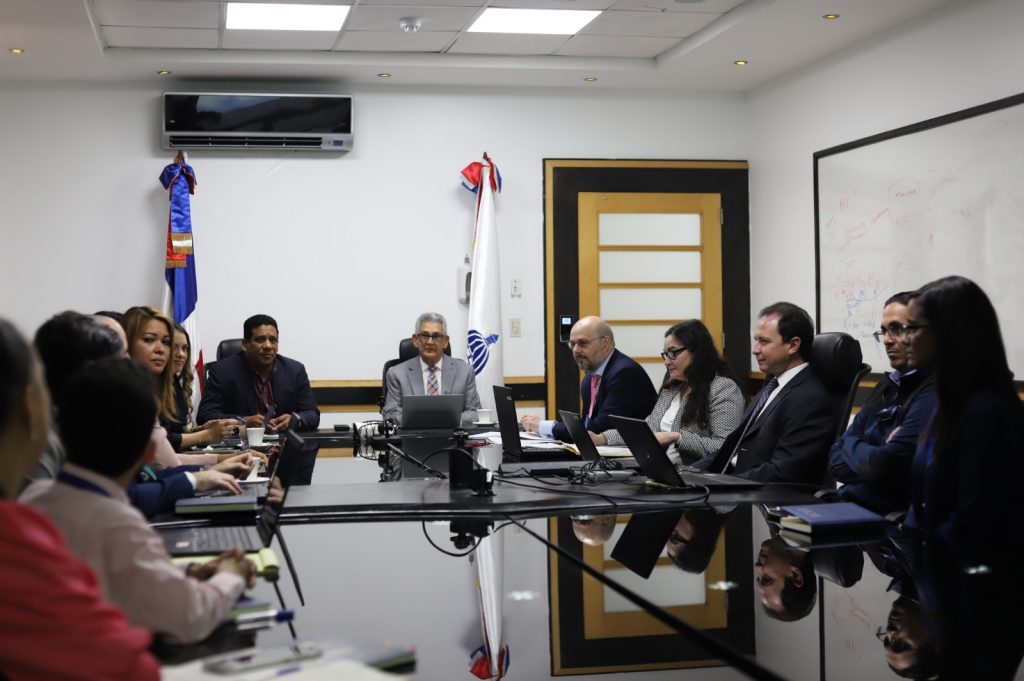
Carlos Pimentel, Director of Public Procurement, along with Rijo Presbot, led the meeting. They reiterated that indicator evaluations show the government's measures are effective in benefiting the most vulnerable. Representatives from the General Directorate of Budget (Digepres) and the International Monetary Fund (IMF) held a meeting to monitor the Dominican Republic's economic activity. José Rijo Presbot, Director General of Budget, and Carlos Pimentel, Director General of Public Procurement, jointly received the IMF mission, which included Emilio Fernández Corugedo and Pamela Madrid. During the meeting, Rijo Presbot provided a general overview of the country's economic performance and the short-term outlook for the Dominican economy, including challenges, tools, and reforms implemented by President Luis Abinader's administration to strengthen transparency and integrity and promote citizen participation. He detailed the government's response to the effects of Hurricane Fiona on the Dominican Republic and the fuel costs resulting from the conflict between Russia and Ukraine. “This scenario increased the deficit from 3% to 3.6%, however, we ended up below that latter figure, and we covered all the effects of Hurricane Fiona without resorting to debt, using only existing resources,” explained Rijo Presbot. Meanwhile, Fernández Corugedo from the IMF directed questions toward the distribution of spending, social investment, budget management, fiscal matters, the multi-year budget, and the prevention and control of corruption. The Budget Director referred to administrative debt, an outdated practice eliminated by this administration. “An article in the Budget Law states that no official can enter into a transactional agreement that generates administrative debt, and anyone who does so must pay it with their own assets,” reiterated Rijo Presbot. He also added that, in the Transactional Portal for Purchases and Contracts, when a project, good, or service is awarded, the money is already reserved precisely to avoid generating administrative debt. Rijo Presbot also outlined the government's subsidy measures for the electricity, transportation, agricultural, and other social sectors to address fuel prices and prevent them from impacting Dominican families. He stated that the evaluation of indicators shows these measures have benefited the country's most vulnerable populations. Pimentel, for his part, explained the work carried out by his institution related to the Financial Management Information System (SIGEF). "The Ministry of Finance, through resolution number 157-2022, announced the automatic integration of the Expenditure Module of the Financial Management Information System (SIGEF) with the Electronic Public Procurement System (SECP), to improve the procurement process in public institutions," Pimentel emphasized. Rijo Presbot referred to the Budget Management Index (IGP), explaining that this tool measures quarterly the degree to which institutions carry out effective, efficient, and transparent budget management. He highlighted work aimed at local governments in the areas of the environment and gender. Finally, he stated that DIGEPRES has encouraged citizen participation and social oversight with initiatives such as Citizen Budget, which offers a more streamlined explanation of the General State Budget, and Citizen Meetings, which facilitate engagement with organized civil society. IMF: Positive Government Measures The International Monetary Fund (IMF), in its May 2022 report, presented the conclusions of the 2022 Article IV Consultation, assessing the measures taken by the Dominican government to protect the population from external inflationary pressures as positive. Also participating in the event on behalf of DIGEPRES were Odilys Hidalgo, Sorangel González Díaz, Juan Portalatin, and Luis Antonio Rodríguez. In addition, Ruth Henríquez, Katherine Gutierrez, Aldo García and Mabel Infante from Public Procurement.
Budget Office receives IMF mission: They present progress and efficient performance of budget management in the Dominican Republic
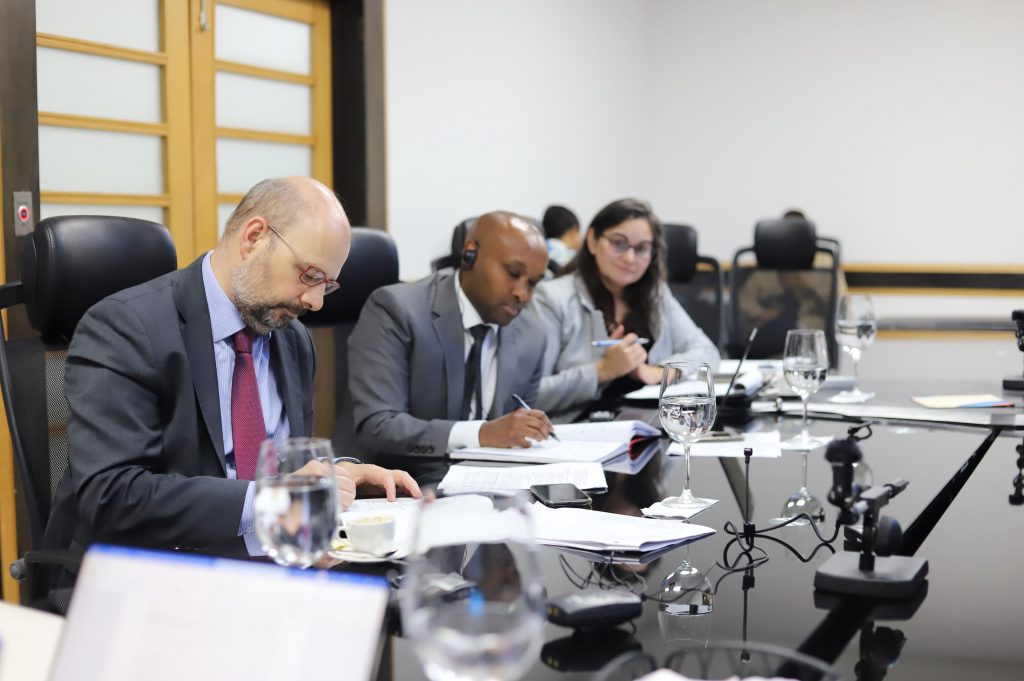
José Rijo Presbot, along with a team of technicians from the Budget Directorate (Digepres), reviewed the achievements and goals of the Budget; they highlighted government measures to mitigate the effects of international conflicts. The Director General of the Budget, José Rijo Presbot, and the Deputy Director, Iván Ramírez, led a meeting with the International Monetary Fund (IMF) mission currently in the country to monitor the performance of the Dominican economy. The visit of the delegation, comprised of Emilio Fernández, head of mission; Pamela Madrid, fiscal specialist; and Hassan Adan, fiscal specialist assigned to the Dominican Republic, served to address some of the IMF's concerns regarding institutional operations. Rijo Presbot briefed the IMF team on the work related to the Organic Budget Law for the Public Sector and outlined the measures taken by President Luis Abinader's administration to ensure that the increase in fuel prices, due to imported inflation, does not directly impact Dominican families. On the other hand, he also detailed the actions taken to respond to those affected by Hurricane Fiona throughout the country. In this regard, the Budget Director stated that, “all this effort by the Government to find money for social subsidies has only one purpose: to protect people and ensure their well-being.” During the meeting, it was emphasized that in the first two years of President Abinader's term, the focus has been on transparency and social oversight, which has allowed the Dominican Republic to rank 9th out of 120 countries in terms of budget transparency and 3rd in Latin America. In his remarks, the Budget Director highlighted achievements in the area of public spending and the prohibition of recognizing administrative debts without first having the resources allocated in the General State Budget Law. “Thanks to the joint effort of the entire public administration, no administrative debts were generated in the country's finances during 2021,” explained Rijo Presbot. For his part, Emilio Fernández, head of the IMF mission, expressed interest in the work being carried out by the Budget Office with the Inter-American Development Bank (IDB). In this regard, Griselda Gómez, Director of Quality and Evaluation of Public Spending, highlighted the new functional classifications for gender and climate change included in the 2023 Budget Bill. These classifications promote a sensitive approach and will strengthen the knowledge of technical staff in public institutions within the budgetary sector, both on gender and climate change issues. At the meeting, Rijo also emphasized the work being done in strict adherence to the Organic Budget Law, as well as the improvements within state institutions to prevent violations of Law No. 10-04 of the Chamber of Accounts of the Dominican Republic and Law No. 10-07, which establishes the National System of Internal Control and the Comptroller General's Office, within their bidding and procurement processes. “Previously, no local government conducted its transactions through the procurement portal. With the new measure, everyone is registered in the system. That's progress,” Rijo Presbot emphasized in her remarks. Regarding changes and improvements to the Dominican budget system, Patricia Castillo, Head of Planning and Development, stated, “We are working on the transformations of SIGEF (Integrated Financial Management System) to identify areas for improvement in the set of regulations, systems, bodies, and processes that enable the collection of public resources through this tool.” For his part, Juan Portalatín, Head of Financial Management for Budget Formulation and Execution, highlighted the Multi-Year Budget and the costing methodology in the 2023 General State Budget. Along the same lines, Rijo also explained how public spending is managed based on results to achieve a positive impact on society with the allocated resources. Also accompanying the Budget Director were Sorangel González, Odilys Hidalgo, and Rolando Reyes, who explained the challenges and goals in various aspects of the budget. The IMF mission thanked the Budget team for the report presented on the performance of the Dominican economy and its forecasts for 2023. This meeting is part of a regular visit that the International Monetary Fund mission conducts with key public finance stakeholders to review the performance of the national economy and future projections.