

 EN
EN  ES
ES Study records increase in public investment directed at children and adolescents in the Dominican Republic
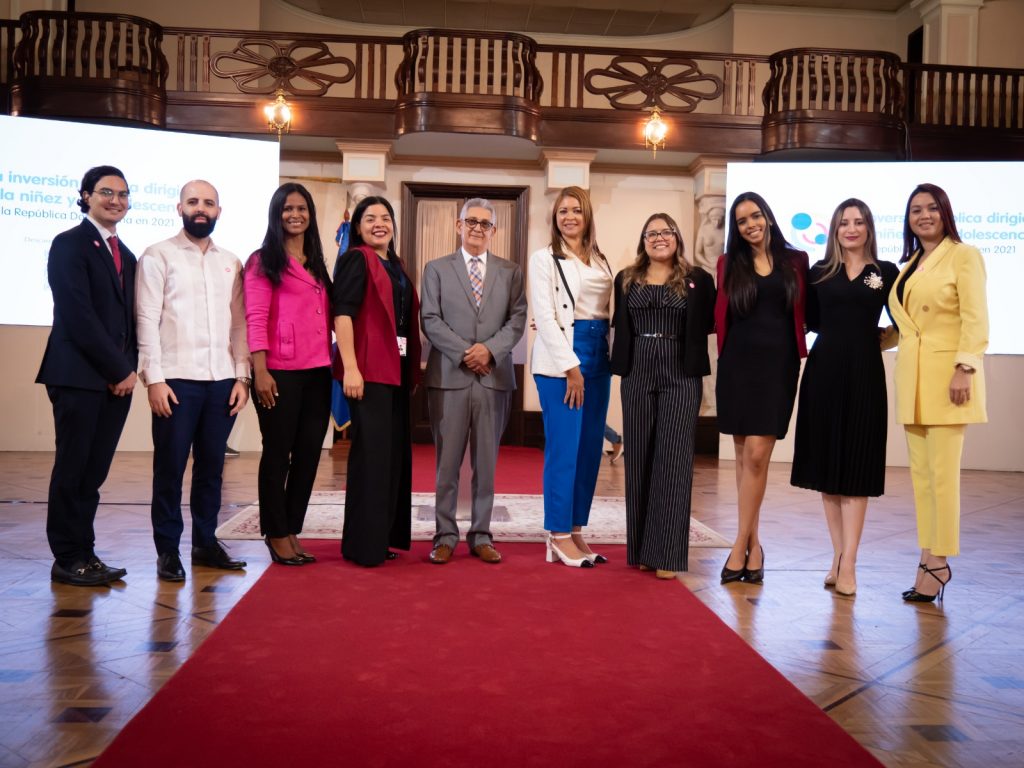
The study, presented by Digepres, Conani, MEPyD, and UNICEF, indicates an increase from 5.11% of GDP in 2016 to 5.71% of GDP in 2021. 901% of the funds are the result of internal savings and increased efficiency in public spending. The General Directorate of Budget (DIGEPRES), together with the Ministry of Economy, Planning and Development (MEPyD), the National Council for Children and Adolescents (CONANI), and the United Nations Children's Fund (UNICEF), launched the study "Public Investment Directed at Children and Adolescents in the Dominican Republic in 2021," sponsored by the Children and Adolescents Cabinet (GANA-RD), chaired by First Lady Raquel Arbaje. The launch, held at the National Palace, was led by the First Lady and the Director General of Budget, José Rijo Presbot. Luisa Ysabel Ovando de Sánchez, Executive President of the National Council for Children and Adolescents (CONANI); Mauricio Ramírez, United Nations Resident Coordinator in the Dominican Republic; and Rosa Elcarte, UNICEF Representative in the country, were present. The study aims to quantify the public investment allocated to children and adolescents in the Dominican Republic in 2021, both directly and indirectly. It also analyzes and monitors the financial efforts undertaken by the State to guarantee the fulfillment of the rights of children and adolescents. In her keynote address, the First Lady stated that “this percentage of investment places us well above the regional average for countries in Latin America and the Caribbean” and clearly demonstrates that children and adolescents are a priority for the government of President Luis Abinader. The First Lady also highlighted the work of the General Directorate of Budget (Digepres) and the measures implemented that aim at internal savings and more efficient spending through the General State Budget. “I want to thank José Rijo, from the Budget Directorate (Digepres), because 901% of the resources used in this investment come from our savings, from the people's public funds, for the people,” Arbaje stated. For his part, Rijo Presbot acknowledged the Government's efforts, which, even in the face of a wartime economy, have been able to prioritize investment in such a vulnerable sector, in addition to the creation of the Cabinet for Children and Adolescents, as a clear indicator of this administration's political will. “At Digepres, we remain committed to efficiency and quality management of public spending, and to that end, we are developing a project that, starting in 2024, will allow for multi-year, results-based budgeting,” the Budget Director announced. During the event, it was emphasized that research is a tool for fiscal policy to promote a more tailored administration of financial resources that takes into account needs and policies aimed at children and adolescents. This analysis provides objective and up-to-date financial information to improve coordination among decision-makers: those responsible for designing public policies and programs. Rosa Elcarte, UNICEF Representative in the country, highlighted that the increase in investment in children and adolescents demonstrates the country's progress and commitment to this public policy. "The study also included, for the first time, a novel perspective on institutional responses to disability within the population, which is an advance in the cross-cutting identification of responses to disability. This is a significant step for the country and the region to ensure that no one is left behind," Elcarte said. Education, social protection, and health are among the most relevant investments. The study's findings indicate that public investment directed toward children and adolescents in 2021 represented 5.7% of the Gross Domestic Product (GDP). This represents a 0.6 percentage point increase compared to 2016 and a sustained increase from 2011 to 2021. Furthermore, by life cycle, the study indicates that 33.2% of the investment was directly allocated to early childhood (ages 0-5); 39.1% to childhood (ages 6-12); and the remaining 27.7% to adolescence (ages 13-17). According to the study, the most significant investment in 2021 was directed towards education, representing 54.6% of the total. Social protection came in second with 16.8%, and investment in health programs for children and adolescents ranked third with 12.6%. The study presented by UNICEF, Digepres and MEPyD recommends continuing to prioritize investment in early childhood, increasing investment in care for children with disabilities; and, in particular, increasing public investment in protection against violence in childhood and adolescence.
Rijo Presbot: “The Budget seeks to fulfill the mandate of guaranteeing the general well-being of the people”
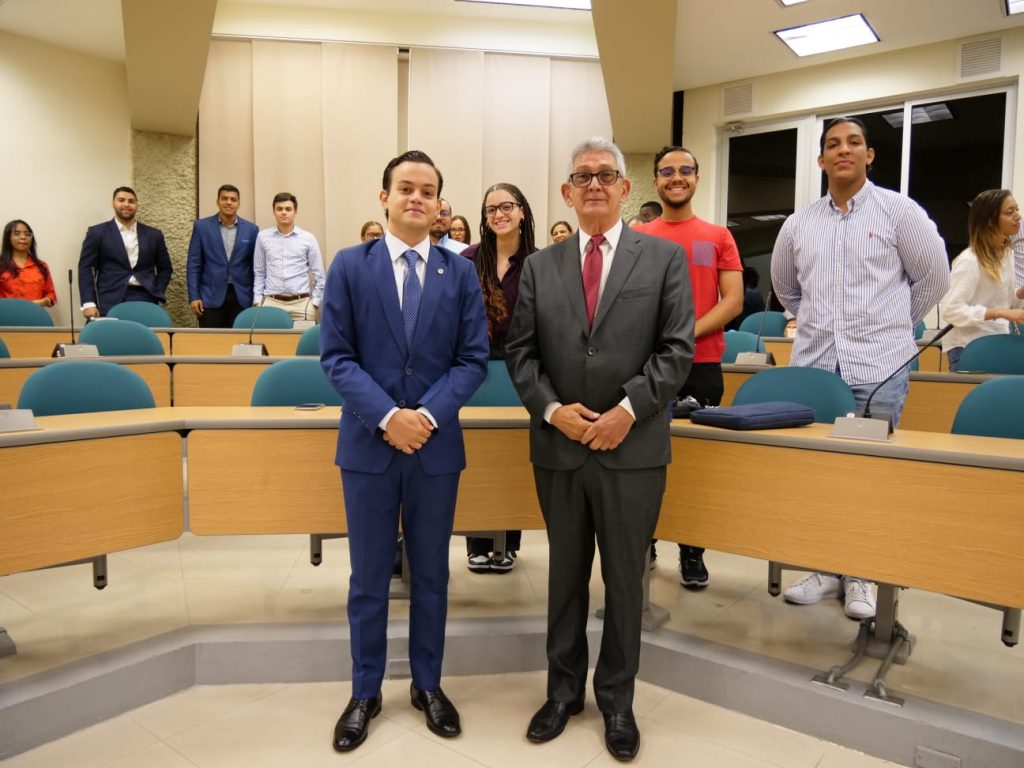
The Director General of the Budget presented the General State Budget at a Citizen Forum with the Political Ideas Association of the Pontifical Catholic University Madre y Maestra (PUCMM) in Santiago. – The Director General of the Budget, José Rijo Presbot, gave a presentation to members of the Political Ideas Association of the Pontifical Catholic University Madre y Maestra (PUCMM) in Santiago, addressing the “Budget as an instrument of public policy,” within the framework of a Citizen Forum on the Budget. This Citizen Forum was coordinated by the Political Ideas Association, made up of law students from PUCMM and created as a space for the free discussion of different ideologies and the resolution of conflicts. In his introduction, Rijo Presbot explained the legal framework of the Budget and its connection to Law No. 01-12, on the National Development Strategy 2030, the Sustainable Development Goals, and its interaction with economic and social factors. “The budget, as defined by state policy, encompasses economic, operational, and social aspects, because it must respond to these needs, address the problems society demands, and contribute to its human development,” stated Rijo Presbot. The Budget Director, in his presentation, indicated that the essential function of the State is the effective protection of individual rights, and therefore, the General State Budget (PGE) seeks to fulfill this mandate by aiming for the general welfare of the people. He also discussed the changes being implemented in the Integrated State Financial Management System (SIAFE), the multi-year budget, and the elimination of administrative debt. “No official, during 2021, contracted, executed, or accrued expenses without proper budgetary protection, and we included a provision stipulating that anyone who did so would be personally liable for it,” Presbot stated. He affirmed that the efficient and rational use of public spending allows President Luis Abinader's government to carry out projects, control imported inflation, and has prevented a decline in people's quality of life despite existing international conflicts. Economic and Social Impact of the Budget. Budget Director José Rijo Presbot emphasized that the General State Budget (PGE) has an impact on the economy, development, and standard of living of citizens, and that this is reflected in social spending, which is nothing more than the distribution of wealth, with the aim of promoting and facilitating the satisfaction of the population's basic needs and the development of the territories. "In this country, we were led to believe that we had to solve individually what should be solved collectively, stripping us of the concept of rights," Rijo Presbot stated. He asserted that, for a proper redistribution, public spending must provide all of society with quality goods and services. Benefits of Wealth Distribution: Rijo Presbot explained that social investment increases a country's progressive development, and if tax collection systems are fair, the necessary funds can be collected efficiently and sustainably to provide more goods and services to the population. "The State and governments, as part of their primary function, must promote income redistribution and the fight against poverty, where the public budget plays a fundamental role," the budget director emphasized. He was accompanied by Ana Miguelina Terrero, head of the Performance Evaluation Department, and Airon Fernández, Economic Studies and Financial Monitoring Specialist at Digepres. The event was moderated by Marcos Guzmán, president of AIP, and held at PUCMM in Santiago.
Budget and MEPyD present tool to prioritize public investment projects
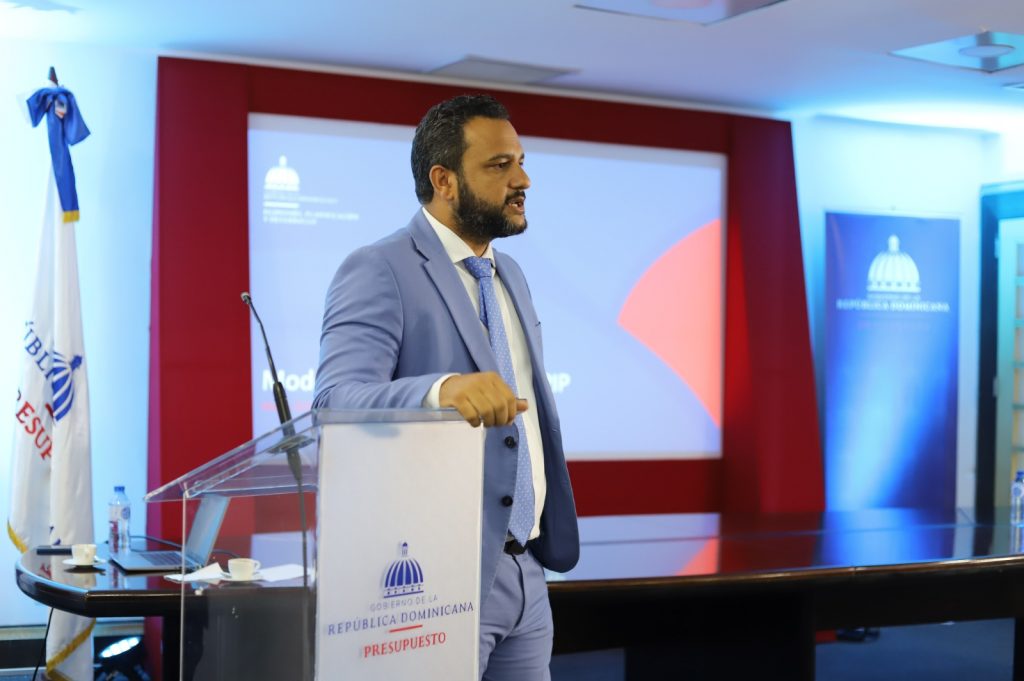
The initiative also promotes the use of a common framework for infrastructure planning across the country by state institutions. The Ministry of Economy, Planning and Development (MEPyD) and the General Directorate of Budget (Digepres) held a meeting to share a methodology among public entities that establishes criteria for prioritizing public investment projects. The meeting also aimed to provide information to improve the quality of state investment, ensuring its execution with adequate levels of efficiency and effectiveness, and prioritizing community needs. The discussion was led by Pavel Isa Contreras, Minister of Economy, Planning and Development; Iván Ramírez, Deputy Director of Budget; and representatives from other government institutions. The welcoming remarks were delivered by Luis Madera, Vice Minister of MEPyD, who gave the main presentation entitled “Model for Prioritizing Public Investment Projects.” For his part, Pavel Isa Contreras, Minister of Economy, Planning and Development (MEPyD), explained that the tool provides technical criteria and options so that institutions can identify which projects to select from the set of infrastructure projects included in their planning. “We offer a mechanism that indicates priorities and influences decision-making, allowing for a degree of certainty, effectiveness, and a common framework among government institutions,” Contreras explained. Luis Madera, Vice Minister of MEPyD, explained in his presentation that the project aims to ensure that development is directed where people live, an explicit mandate of President Luis Abinader's government vision. He also highlighted that among the project's advantages are its prioritization of the poorest provinces with the lowest historical investment, territorial demands, and projects rather than institutions. Madera referred to the Public Planning and Investment Law, No. 498-06, as the strategic guide that identifies the complementarity and synergy that should prevail in the portfolio of evaluated and prioritized projects, and the budget. Prioritization Methodology. Luis Madera also explained that the tool is based on hierarchical analytical processes, used in both the public and private sectors to address complex issues. Other members of the Budget technical team who participated included Odilys Hidalgo from the Budget Services Directorate; Griselda Gómez Santana from the Budget Management Quality and Evaluation Directorate; and María Victoria Ortíz, head of the Budget Standards and Methodologies Department, among other representatives from various areas of the General Directorate of Budget (Digepres). Martín Francos Rodríguez, Director General of Public Investments at the Ministry of Economy, Planning and Development (MEPyD), also attended. The event was held in the Juan Bosch Room at Digepres.
Sustainable Budget reforestation day manages to plant 2,000 trees in Villa Altagracia
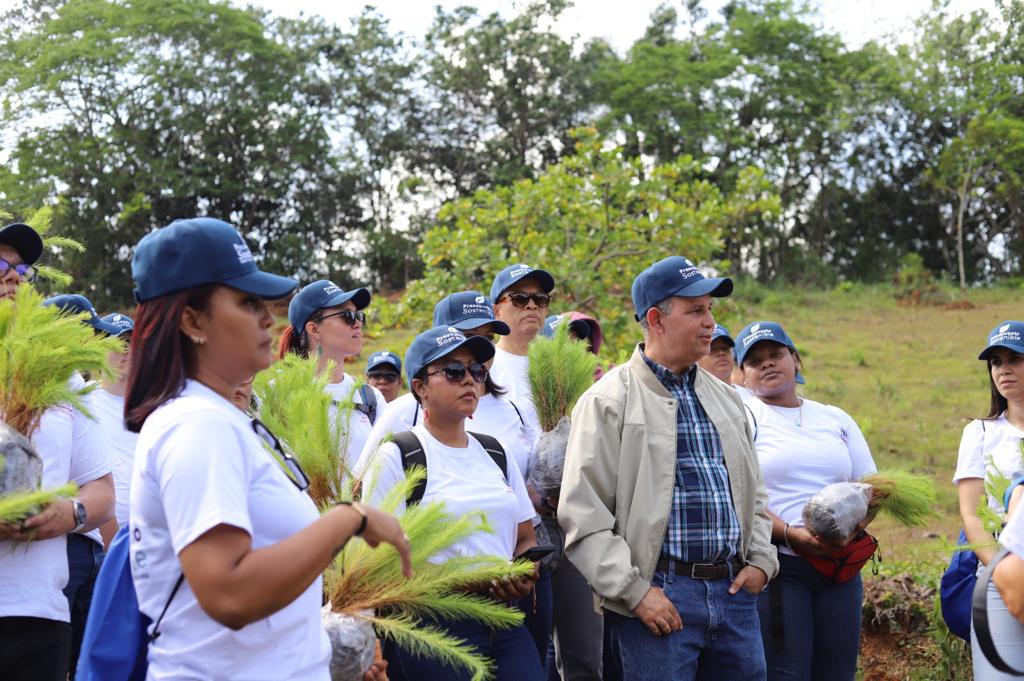
La iniciativa, parte del proyecto institucional Presupuesto Sostenible, congregó a más de 40 colaboradores de la institución. RD se cuenta entre países pioneros con un clasificador funcional de Cambio Climático en su Presupuesto. San José del Puerto, Villa Altagracia. – La Dirección General de Presupuesto (Digepres), en coordinación con el Ministerio de Medio Ambiente y Recursos Naturales, realizó una Jornada de reforestación en el distrito municipal de San José del Puerto en el municipio Villa Altagracia. La actividad de responsabilidad social buscó elevar las acciones que, desde la Digepres, se impulsan a través del proyecto institucional Presupuesto Sostenible, para minimizar la problemática ambiental que afecta la vida de las presentes y futuras generaciones. El subdirector de Presupuesto, Iván Ramírez, encabezó la comitiva de servidores públicos a quienes agradeció su participación en dicho encuentro y el aporte a favor de la preservación del medio ambiente. “Con esta iniciativa ayudamos a contrarrestar el impacto al medioambiente y se motiva a otras instituciones y ciudadanía a sumarse a estos esfuerzos, que contribuyen a la conservación del planeta”, dijo Ramírez. Asimismo, valoró el apoyo de los técnicos de Medio Ambiente por su acompañamiento e instrucciones sobre el procedimiento para una siembra adecuada. De su lado, Javier Gómez Iglesias, de la Dirección de Reforestación del viceministerio de Recursos Forestales del Ministerio de Medio Ambiente y Recursos Naturales, agradeció la colaboración de Presupuesto en promover acciones a favor de la naturaleza. “Día a día debemos concientizar más a nuestros hijos, vecinos y colaboradores en la importancia de cuidar el medioambiente, porque es cuidar la vida y el país”, destacó Gómez. En la Jornada de reforestación participaron más de 40 colaboradores de Presupuesto y se plantaron cerca de 2,000 plantas de pino caribaea. Proyecto Presupuesto Sostenible En febrero de este año, Digepres puso en marcha el proyecto Presupuesto Sostenible, iniciativa que busca elevar la conciencia ambiental entre los colaboradores y público en general a través de actividades programadas y la difusión de material educativo. Además, contempla la conformación de un voluntariado para respaldar las acciones llevadas a cabo en la vida del proyecto. Presupuesto Sostenible también se suma a las acciones que se ejecutan a través del nuevo clasificador funcional de Cambio Climático en el Presupuesto General del Estado, que busca identificar y destinar el gasto eficiente y medidas favorables para el medio ambiente. República Dominicana se cuenta entre los países pioneros con la implementación de este clasificador.
Budget Director presents Dominican Republic's budget management progress to IMF mission
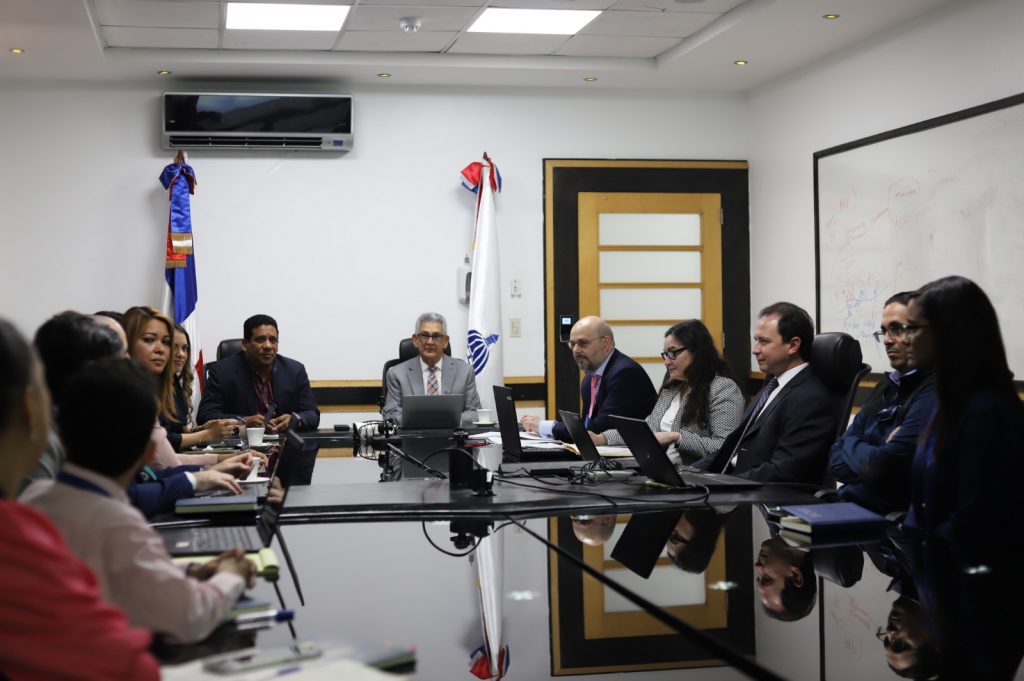
Carlos Pimentel, Director of Public Procurement, along with Rijo Presbot, led the meeting. They reiterated that indicator evaluations show the government's measures are effective in benefiting the most vulnerable. Representatives from the General Directorate of Budget (Digepres) and the International Monetary Fund (IMF) held a meeting to monitor the Dominican Republic's economic activity. José Rijo Presbot, Director General of Budget, and Carlos Pimentel, Director General of Public Procurement, jointly received the IMF mission, which included Emilio Fernández Corugedo and Pamela Madrid. During the meeting, Rijo Presbot provided a general overview of the country's economic performance and the short-term outlook for the Dominican economy, including challenges, tools, and reforms implemented by President Luis Abinader's administration to strengthen transparency and integrity and promote citizen participation. He detailed the government's response to the effects of Hurricane Fiona on the Dominican Republic and the fuel costs resulting from the conflict between Russia and Ukraine. “This scenario increased the deficit from 3% to 3.6%, however, we ended up below that latter figure, and we covered all the effects of Hurricane Fiona without resorting to debt, using only existing resources,” explained Rijo Presbot. Meanwhile, Fernández Corugedo from the IMF directed questions toward the distribution of spending, social investment, budget management, fiscal matters, the multi-year budget, and the prevention and control of corruption. The Budget Director referred to administrative debt, an outdated practice eliminated by this administration. “An article in the Budget Law states that no official can enter into a transactional agreement that generates administrative debt, and anyone who does so must pay it with their own assets,” reiterated Rijo Presbot. He also added that, in the Transactional Portal for Purchases and Contracts, when a project, good, or service is awarded, the money is already reserved precisely to avoid generating administrative debt. Rijo Presbot also outlined the government's subsidy measures for the electricity, transportation, agricultural, and other social sectors to address fuel prices and prevent them from impacting Dominican families. He stated that the evaluation of indicators shows these measures have benefited the country's most vulnerable populations. Pimentel, for his part, explained the work carried out by his institution related to the Financial Management Information System (SIGEF). "The Ministry of Finance, through resolution number 157-2022, announced the automatic integration of the Expenditure Module of the Financial Management Information System (SIGEF) with the Electronic Public Procurement System (SECP), to improve the procurement process in public institutions," Pimentel emphasized. Rijo Presbot referred to the Budget Management Index (IGP), explaining that this tool measures quarterly the degree to which institutions carry out effective, efficient, and transparent budget management. He highlighted work aimed at local governments in the areas of the environment and gender. Finally, he stated that DIGEPRES has encouraged citizen participation and social oversight with initiatives such as Citizen Budget, which offers a more streamlined explanation of the General State Budget, and Citizen Meetings, which facilitate engagement with organized civil society. IMF: Positive Government Measures The International Monetary Fund (IMF), in its May 2022 report, presented the conclusions of the 2022 Article IV Consultation, assessing the measures taken by the Dominican government to protect the population from external inflationary pressures as positive. Also participating in the event on behalf of DIGEPRES were Odilys Hidalgo, Sorangel González Díaz, Juan Portalatin, and Luis Antonio Rodríguez. In addition, Ruth Henríquez, Katherine Gutierrez, Aldo García and Mabel Infante from Public Procurement.
Rijo Presbot dicta conferencia a graduados de Estudios Militares sobre el Presupuesto público
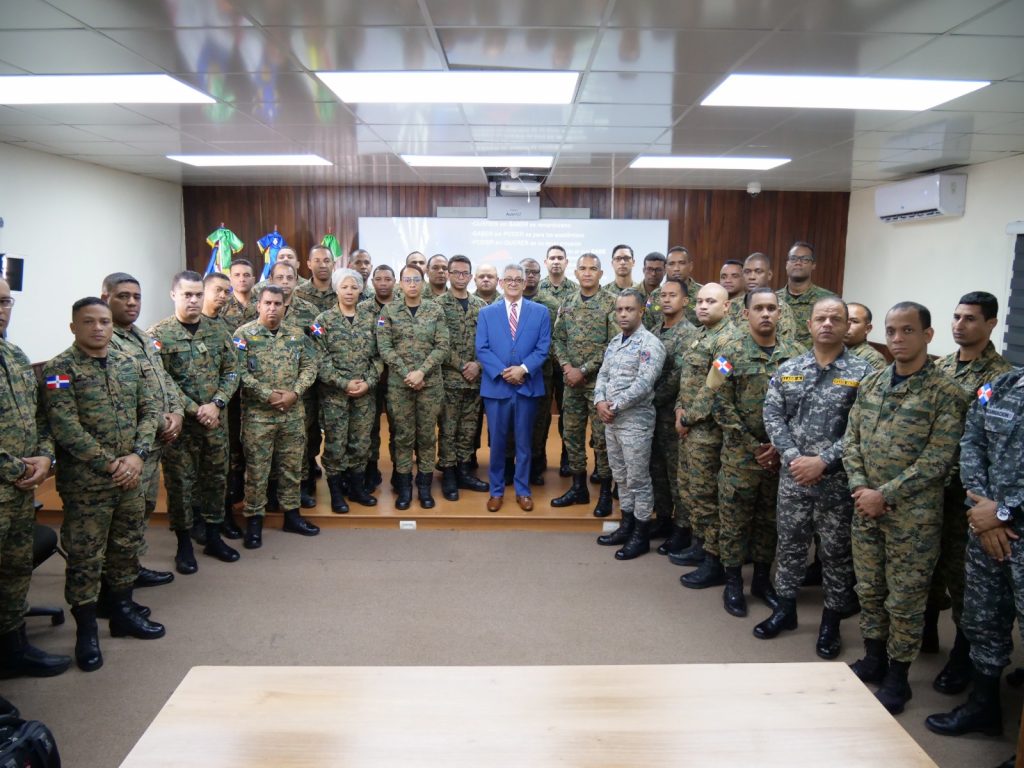
La actividad, como parte de la iniciativa Encuentro Ciudadano, buscó ampliar los conocimientos del cuerpo militar, docentes y personal administrativo de la escuela en materia de política pública y Presupuesto La Dirección General de Presupuesto (Digepres) realizó un Encuentro Ciudadano dirigido a la Escuela de Graduandos de Estudios Militares del Ejército de la República Dominicana (EGEMERD), para dar a conocer aspectos que componen el Presupuesto General del Estado. Las palabras de bienvenida estuvieron a cargo del coronel Jorge Luis Vásques Suárez, ERD (DEM), quien destacó que con este conversatorio buscan proporcionar mayor conocimiento sobre las acciones vinculadas con las políticas públicas del Gobierno a través del Presupuesto. El director general de Presupuesto, José Rijo Presbot, durante la presentación del tema valoró estos Encuentros como espacios que permiten a los ciudadanos conocer las interacciones económicas, sociales, ejecución y planificación del Presupuesto General del Estado. En su ponencia, Rijo Presbot explicó que “el Presupuesto es una herramienta de planeación que expresa en términos financieros el mecanismo que utilizamos para distribuir de manera adecuada la riqueza del país”. Agregó, además, que contempla marcos legales, gastos, ingresos, controles internos y una lógica democrática. Resaltó también, que está estructurado bajo principios de justicia e igualdad, presentando avances y acciones del Gobierno del presidente Luis Abinader, que apuntan a transparentar las instituciones públicas y eliminar la desigualdad entre los ciudadanos. “Lo importante es mejorar la vida de la gente. Un ejemplo de ello, el aumento gradual de sueldos que dispuso el presidente Luis Abinader, para oficiales, alistados del Ejército, la Armada y Fuerza Aérea de República Dominicana, desde el pasado mes de marzo”, resaltó Rijo Presbot, al tiempo de indicar la importancia de colocar los Derechos Humanos en el centro de las políticas económicas y sociales del Estado. Entre los asistentes estuvieron el general de brigada, Ambiorix de Jesús Cepeda Hernández, ERD, director de la Escuela de Graduandos en Derechos Humanos; coronel Freddy Antonio Marte Acosta, ERD, MA, director de la Escuela de Graduandos de Doctrina Conjunta MDE; coronel Melbin Guzmán Polanco, ERD (DEM), subdirector de extensión y educación continua de la Escuela de Graduandos; teniente coronel Betancourt Cambumba, FARD, subdirector financiero de la Escuela de Graduandos; Armidis Galán, coordinadora y asesora en materia de relaciones internacionales; además, docentes y personal administrativo de la escuela. Rijo Presbot describió también aspectos teóricos y prácticos del ciclo presupuestario y programas de Gobierno para responder a las necesidades básicas de la población y el desarrollo de los territorios. Capacitaciones y Encuentros Ciudadanos Se recuerda que la Dirección General de Presupuesto (Digepres) ofrece a las instituciones públicas capacitación a instituciones en temas presupuestarios, para fortalecer los conocimientos en materia de gestión eficiente del sistema presupuestario; mientras, con los Encuentros Ciudadanos se busca reafirmar el compromiso con la transparencia, la cercanía con la ciudadanía y garantizar, por primera vez desde el Gobierno, la participación social en la formulación del Presupuesto General del Estado. La actividad fue realizada en la facultad de Ciencias Militares del Ejército Nacional Dominicano.
Budget Director presents budget execution progress to university economics academics
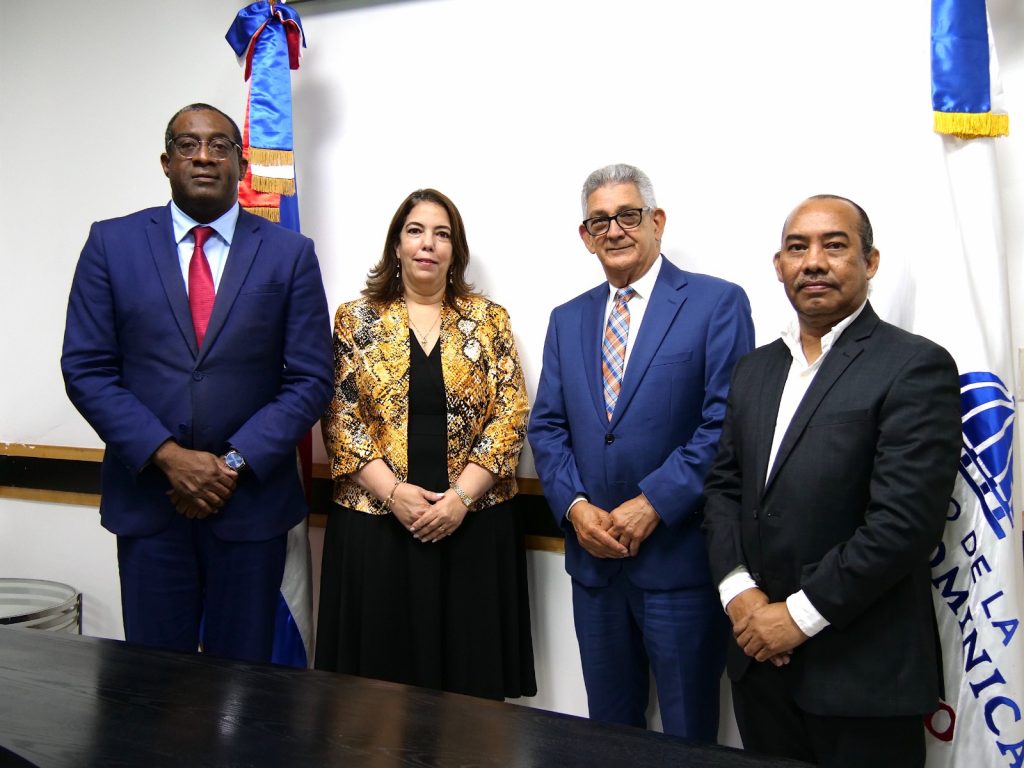
The activity promotes a strategic alliance to bring Economics students closer to the execution of the General State Budget. The General Directorate of Budget (Digepres) held a Citizen Meeting with academics from Economics faculties to discuss the central government's budget execution for the first quarter of 2023. The event also aimed to establish the foundations and strategic alliances to bring university Economics students closer to the execution of the General State Budget. The presentation was given by the Director General of Budget, José Rijo Presbot, during the Citizen Meeting, where he emphasized the institution's interest in promoting citizen participation in public budget management. "To improve the quality of public policies, it is crucial that citizen participation be early and timely, that is, that it involves monitoring the design and formulation, planning, execution, follow-up, and evaluation," stated Rijo Presbot. The Budget Director, while explaining the budget execution for the first three months of 2023, also highlighted the progress made by President Luis Abinader's administration. “The government eliminated the practice of administrative debt. Expenditures that are not properly documented cannot be executed without appropriation certification.” Among other actions, he mentioned substantial improvements to the police, health, and pension sectors. Those present at the meeting included Antonio Ciriaco Cruz, Dean of the Faculty of Economic and Social Sciences at the Autonomous University of Santo Domingo (UASD); Rita Mena, Director of the School of Economics at the Pontifical Catholic University Madre y Maestra (PUCMM); and Manuel Santana, Finance Coordinator at the Technological Institute of Santo Domingo (INTEC). Rijo Presbot explained to the professors the budget variables, tax revenues, functional distribution of spending, debt behavior and interest rates, the budget allocation established by law, and budget results. The Budget Director also addressed the impact of the international crisis stemming from the war between Russia and Ukraine on the Dominican economy, explaining that the government has resorted to subsidies as an effective transitional tool to alleviate the effects of imported inflation following the conflict. Rijo Presbot provided details on the central government's public investment in the provinces during the first quarter of the year. "Approximately RD$20,343 million has been invested in Santo Domingo, Santiago de los Caballeros, Duarte, the National District, and Azua." He also highlighted ongoing initiatives to meet the public's social demands in the areas of water, infrastructure, social programs, and subsidies for the electricity and fuel sectors. Furthermore, he encouraged those present to monitor the weekly Budget Execution report published by Digepres, which details even the smallest level of government spending, as a key factor in assessing transparency. Finally, participants had the opportunity to express their concerns regarding improvements related to the quality of spending, public policies, and tax reforms. The Budget Director was accompanied by a team of collaborators including Jenny Batista from the Social Services Department; Juan Portalatin, Sorangel González, and Airon Fernández from the Economic Studies Department; Ana Miguelina Terrero from Budget Performance Evaluation; and Odilys Hidalgo from the Budget Services Directorate. Citizen Encounter is an initiative of the Budget Directorate (Digepres) to reaffirm its commitment to transparency and, for the first time by the government, guarantee public participation in the budget formulation process.
Dominican delegation present at United Nations conference against corruption in Central America
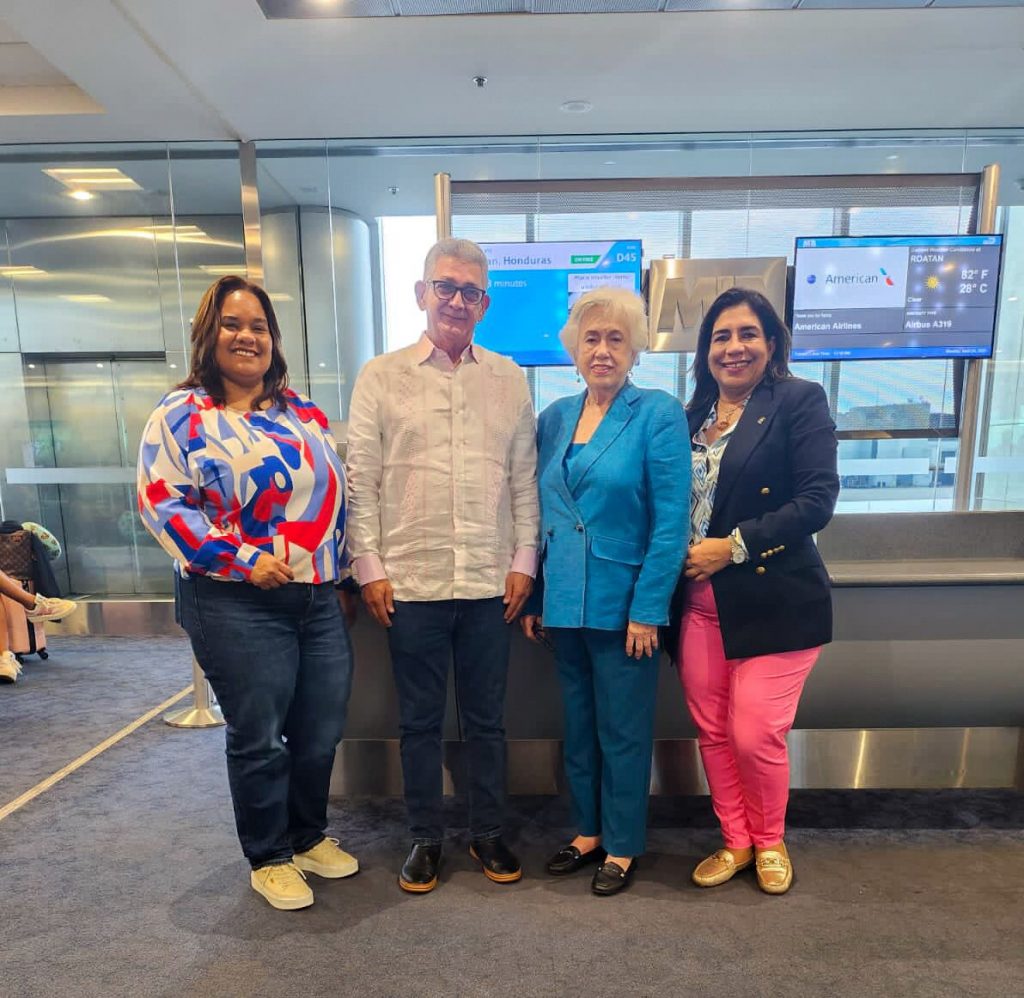
Rijo Presbot junto a Ortíz Bosch encabezan la comisión dominicana. La conferencia cuenta con el respaldo del gobierno de Honduras y el apoyo de la Oficina Internacional de Asistencia Antinarcóticos y Procuración de Justicia (INL) de Estados Unidos Isla Roatán, Honduras. – El director general de Presupuesto, José Rijo Presbot, junto a la doctora Milagros Ortíz Bosch, directora general de Ética e Integridad Gubernamental, participarán como parte de la delegación de República Dominicana en la Conferencia de Lanzamiento de la Plataforma para Acelerar la Implementación de la Convención de las Naciones Unidas contra la Corrupción (UNCAC) en Centroamérica, que se llevará a cabo en Isla Roatán, Honduras, del 25 al 27 de abril. Junto a Rijo Presbot y Ortíz Bosch, Yovanny Díaz, director de la Dirección de Ética e Integridad Gubernamental; Delta Paniagua, directora jurídica de la Dirección de Ética e Integridad Gubernamental y Ruth Henríquez Manzueta, subdirectora general de la Dirección General de Contrataciones Públicas, conforman la delegación dominicana. La plataforma se constituirá como un foro para que los Estados parte y los socios para el desarrollo creen y fomenten alianzas, y diseñen acciones para para implementar la UNCAC. Los trabajos de la conferencia se centrarán en cinco áreas temáticas prioritarias, identificadas a partir de los resultados de los exámenes de la aplicación de la UNCAC y del Mecanismo de Seguimiento de la Implementación de la Convención Interamericana contra la Corrupción (MESICIC); entre las que se destacan los sistemas de integridad en el sector público, transparencia e integridad en contratación pública, prevención de la corrupción en el sector privado, denuncias de corrupción y protección a denunciantes, investigación, enjuiciamiento y cooperación internacional en casos de corrupción. En el encuentro, que tomará como base las capacidades y los conocimientos regionales para identificar prioridades de reforma factibles y prácticas, también se abordarán temas sobre perspectiva de Derechos Humanos e igualdad de género, el uso de tecnologías para fomentar transparencia, acceso a la información y rendición de cuentas. Además, se llevarán a cabo reuniones técnicas para propiciar intercambio de buenas prácticas, reforzar el dialogo, revisar y adecuar propuestas resultantes de las sesiones llevadas a cabo por representantes de los Estados participantes. La participación de República Dominicana en la Conferencia de Lanzamiento de la Plataforma para Acelerar la Implementación de la Convención de las Naciones Unidas contra la Corrupción (UNCAC) en Centroamérica, se suma a los esfuerzos del Gobierno del presidente Luis Abinader por elevar los niveles de transparencia en el desempeño gubernamental y la lucha anticorrupción, especialmente a través de mecanismos de control social y veeduría ciudadana.
Meetings with local governments in the northern region conclude successfully in Santiago Rodríguez
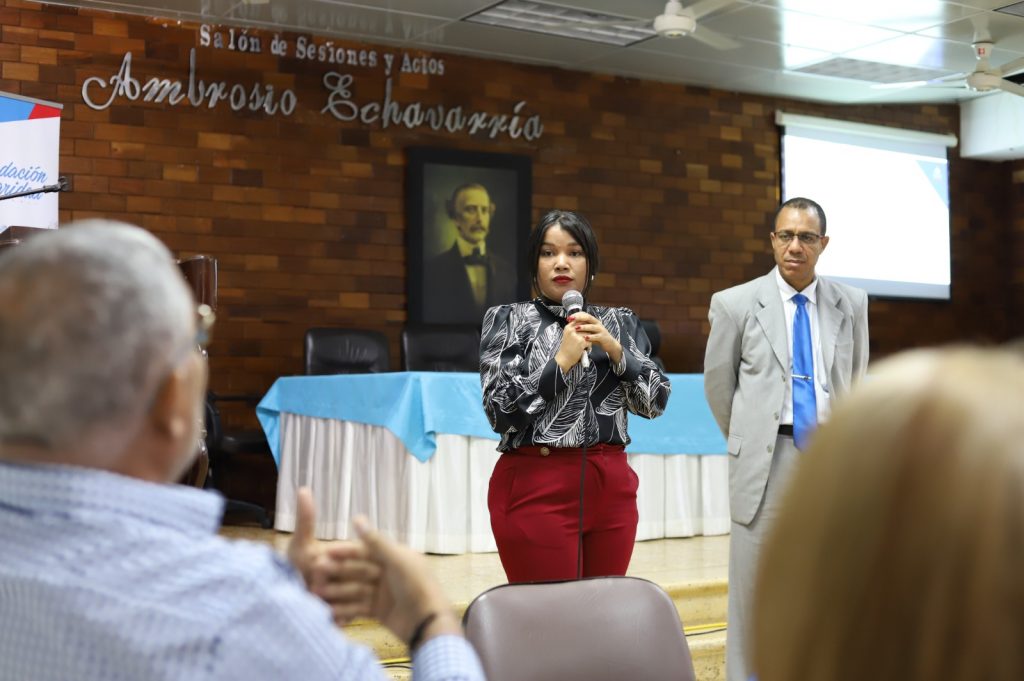
Al menos 120 representantes de entidades municipales, sociedad civil, ayuntamientos y juntas participaron en estos encuentros que apuestan al desarrollo social y el fortalecimiento de las municipalidades a través del Presupuesto Sabaneta, Santiago Rodríguez. – La Dirección General de Presupuesto y la Fundación Solidaridad culminan con éxito los encuentros con representantes de ayuntamientos, juntas municipales, distritos y sociedad civil de la región del Cibao en los que se dieron a conocer las mejoras y avances en la estructura programática de los gobiernos locales. La actividad propició también promover la transparencia, la participación ciudadana, la colaboración multisectorial y el fortalecimiento de los gobiernos locales para el desarrollo del territorio y mejora de servicios dirigidos a la ciudadanía. Esta serie de encuentros finalizó en Sabaneta, municipio cabecera de Santiago Rodríguez, con un acto que sirvió para dar a conocer los avances del proyecto. Ana Miguelina Terrero, encargada de Evaluación de la Gestión Presupuestaria de la Dirección General de Presupuesto, en representación del director general, José Rijo Presbot, dio las palabras de bienvenida. Terrero en su intervención manifestó que el encuentro forma parte de las líneas a las que apunta Presupuesto con miras al fortalecimiento de los ayuntamientos para lograr mayor bienestar para la gente, lo que considera una prioridad del actual Gobierno. “La forma más cercana para que los servicios lleguen a la gente es a través de los gobiernos locales, por eso, desde Presupuesto en alianza con la Fundación Solidaridad y otras instituciones nos comprometemos a cumplir el objetivo del Gobierno central”, destacó Terrero. La mesa principal estuvo integrada por Félix Marte, alcalde de Sabaneta; Rusi Reyes, coordinadora técnica de la oficina regional Cibao noroeste, de la Federación Dominicana de Municipios (Fedomu); Joelica Jáquez, coordinadora Cibao norte de la Liga Municipal; Juan Castillo, director ejecutivo de la Fundación Solidaridad y Samuel Toribio, presidente de la regional Cibao noroeste de la Federación de Municipios (Fedomu) y alcalde de Guayubín. El alcalde de Sabaneta, Félix Marte, indicó la importancia de los espacios y mecanismos de participación con miras al desarrollo local, aseverando que, desde su gestión apoyará dichas iniciativas. De su lado, la coordinadora técnica de la oficina regional Cibao noroeste, de la Federación Dominicana de Municipios (Fedomu), Rusi Reyes, aseguró que seguirán acompañando a los ayuntamientos para el fomento de herramientas e instrumentos tendientes a fortalecer la gestión municipal. “Hoy día los gobiernos locales están llamados a ser más abiertos, transparentes y participativos para favorecer cada vez más una eficaz gestión pública”, apuntó Reyes. Joelica Jáquez, coordinadora Cibao norte de la Liga Municipal y Juan Castillo de la Fundación Solidaridad, por separado expresaron la importancia y contribución de diferentes actores en este proceso con miras a mejorar la calidad de vida y generar mayor bienestar de los habitantes y sus comunidades en los territorios. Los recorridos realizados han concentrado la participación de al menos 120 representantes de la sociedad civil, ayuntamientos y juntas municipales de San Francisco de Macorís, Villa Tapia, El Factor, Pimentel, Castillo, Tenares, Salcedo, Villa Riva, Cenoví, La Peña, Las Guáranas, Hostos, Santiago, La Vega, Puerto Plata y Sabaneta. Las ponencias del evento estuvieron a cargo de Katia Lambis, investigadora de la Fundación Solidaridad, con el tema Presupuesto Ciudadano; de un equipo técnico del departamento de Gobiernos Locales de Presupuesto compuesto por Yuridis Rodríguez, Alberto Villanueva y Huáscar Ventura, quienes presentaron las mejoras y avances del plan ejecutado en las estructuras programáticas de los cabildos, importancia de los mecanismos de participación de la ciudadanía, las iniciativas presupuestarias para los gobiernos locales, procesos de implementación, resultados y próximos pasos. Asimismo, Leivan Díaz, encargado de participación social de la Federación Dominicana de Municipios (Fedomu) hizo un abordaje detallado de la importancia de los planes operativos dentro de los ayuntamientos. La actividad contó con el apoyo de la Federación Dominicana de Municipios (Fedomu), Federación Dominicana de Distritos Municipales (Fedodim), la Liga Municipal Dominicana y el acompañamiento de representantes de la sociedad civil. Gobiernos locales y desarrollo Se recuerda que el departamento de Gobiernos Locales de Presupuesto inició una serie de encuentros con las municipalidades y ciudadanía, este proyecto contempla una alianza entre Digepres y la Fundación Solidaridad con el objetivo de analizar y realizar acciones para la mejora de las prácticas municipales y desarrollo local. La actividad fue realizada en el ayuntamiento de Sabaneta, Santiago Rodríguez.
Budget and Solidarity Foundation meet with representatives of local governments in Puerto Plata
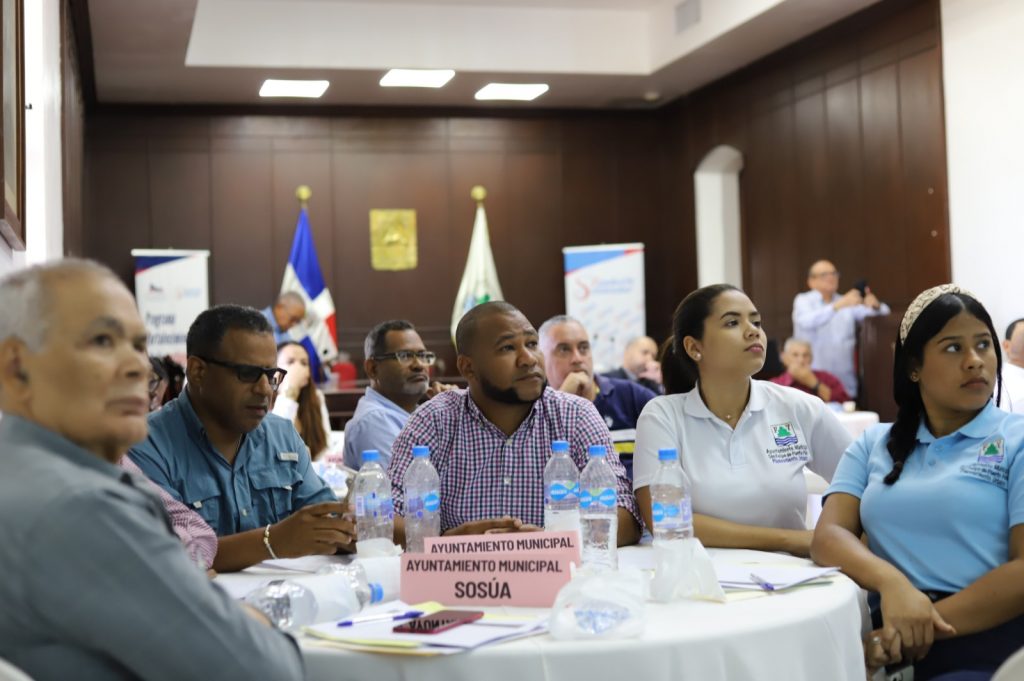
Este encuentro se suma a una serie de actividades realizadas en Santiago, La Vega y San Francisco de Macorís con representantes municipales que buscan fortalecer la gestión de los ayuntamientos Puerto Plata. – la Dirección General de Presupuesto y la Fundación Solidaridad reúnen nueva vez a representantes de ayuntamientos, juntas municipales y sociedad civil para dar a conocer mejoras y avances en la Estructura Programática de los gobiernos locales. El encuentro, busca reflexionar sobre el accionar, fortalecimiento y función de la gestión municipal en beneficio de la ciudadanía y el territorio. La apertura formal de la actividad estuvo a cargo del director general de Presupuesto, José Rijo Presbot, quien resaltó la importancia de esta alianza estratégica con la Fundación Solidaridad; además el apoyo de la Liga Municipal Dominicana, la Federación Dominicana de Municipios (Fedomu) y la Federación Dominicana de Distritos Municipales (Fedodim) para el desarrollo de los gobiernos locales y las comunidades. “Con estas organizaciones que trabajan y luchan por el desarrollo local hemos establecido un diálogo necesario para crear juntos una nueva cultura y forma de pensar en torno al Presupuesto General del Estado y Presupuesto municipal para lograr que los ciudadanos tengan una vida digna en su ámbito local”, destacó Rijo Presbot. Rijo Presbot encabezó la mesa principal junto a Ángel Mercedes, en representación de Víctor D’ Aza, presidente de la Liga Municipal Dominicana; Diomedes Castillo, alcalde de Puerto Plata; Rosa Caraballo, representante de Fedomu y Juan Castillo, de Fundación Solidaridad. En el evento, Ángel Mercedes indicó que, desde la Liga, apoyan la iniciativa liderada por Presupuesto y la Fundación Solidaridad porque busca el fortalecimiento y mejora del desempeño de los ayuntamientos. "Este esfuerzo tiene un solo objetivo que cada día hagamos las cosas mejor desde los gobiernos locales, mayor trasparencia y mejores políticas públicas para beneficio de nuestros munícipes y del país”, expresó Mercedes en su intervención. De su lado, Diomedes Castillo, alcalde de Puerto Plata, entiende que los promotores de esta alianza municipal fortalecen y dan respuesta a las necesidades de la ciudadanía. Rosa Caraballo, representante de Fedomu, dijo que los trabajos que se vienen desarrollando en el ámbito municipal también ofrecen herramientas para que los ciudadanos se involucren en el mejoramiento y desarrollo local. La agenda de la actividad contó con ponencias sobre Presupuesto Ciudadano Municipal a cargo de Katia Lambis, investigadora de Fundación Solidaridad; también del equipo del departamento de Gobiernos Locales de Presupuesto, integrado por Johanna Santos, Alberto Villanueva y Huáscar Ventura, quienes presentaron mejoras y avances del plan ejecutado en la Estructura Programática de los cabildos, importancia de los mecanismos de participación de la ciudadanía, las iniciativas presupuestarias para los gobiernos locales, procesos de implementación, resultados y próximos pasos. De la Federación Dominicana de Municipios (Fedomu) la presentación de los planes operativos estuvo a cargo de Angela Malagón, quien enumeró la importancia de objetivos y directrices para mejora de procesos. En la actividad participaron entidades municipales pertenecientes a San Felipe de Puerto Plata, de las juntas municipales de Veragua y Maimón; de los ayuntamientos de los Hidalgos, Villa Isabela, Sosúa, Imbert y Villa Montellano. Estrategia de desarrollo local Recordamos que, tanto Digepres como la Fundación Solidaridad, trabajan desde hace años en el diseño y difusión de Presupuesto Ciudadano y Presupuesto Ciudadano Municipal y coordinan en conjunto encuentros con las municipalidades y ciudadanía, para dar a conocer los avances alcanzados en la implementación de cambios y mejoras a la Estructura Programática de los ayuntamientos. La actividad tuvo lugar en las instalaciones de la Alcaldía de Puerto Plata y se suma a una serie de encuentros con gobiernos locales que se han realizado en la región norte del país.