EN
 ES
Entidades públicas coordinan esfuerzos para impulsar proyectos financiados por el BID

El encuentro con 13 instituciones del Estado fue coordinado por Digepres para socializar ejecuciones presupuestarias y portafolio de la agencia de cooperación del BID La Dirección General de Presupuesto (Digepres), en coordinación con el Banco Interamericano de Desarrollo (BID), realizó un encuentro con representantes de instituciones del Estado que llevan proyectos financiados por la agencia de cooperación. La iniciativa busca fortalecer los lazos entre las instituciones, sentar las bases de una mayor coordinación y presentar el portafolio de financiamiento del BID dirigido a organizaciones gubernamentales. La reunión, fue encabezada por el director general de Presupuesto, José Rijo Presbot; Iván Ramírez, subdirector general de Presupuesto; María José Martínez, viceministra de Crédito Público y Gilles Damais, jefe de Operaciones del BID. Rijo Presbot, en sus palabras de bienvenida, manifestó la importancia de la actividad como una manera de fiscalizar y conocer la ejecución financiera y metas físicas de los proyectos de inversión llevados a cabo por instituciones públicas con recursos externos. “Presupuesto, como órgano rector, busca saber con mayor detalle la relación entre los proyectos, su ejecución y cómo lo incorporarnos de una forma óptima en el proceso,” explicó Rijo Presbot. Indicó, además, que Presupuesto cuenta con una unidad de Evaluación y Seguimiento que permite saber el impacto del proyecto en la sociedad. El director de Presupuesto también motivó a las instituciones a ejecutar planes de trabajo sólidos, ejecución efectiva y un adecuado uso de los recursos económico debido al rezago monetario que persiste en el país ante al panorama bélico producto de la guerra entre Rusia y Ucrania. Abordó, además, proyecciones vinculadas al Producto Interno Bruto (PIB) y datos sobre la distribución del Presupuesto General del Estado. De su lado, Gilles Damais, representante del BID, agradeció la participación de los ejecutores de los proyectos, y enfocó su discurso también en la importancia de la calidad del gasto. “Sabemos que es fundamental la inversión de perfil externo porque genera beneficios a la población, crea rentabilidad y favorece la disminución del déficit”, indicó Damais y enfatizó que la reunión facilitará coordinaciones y encuentros futuros. Durante la actividad Yocauris García, asociada de operaciones del BID, presentó en líneas generales los proyectos en carpeta, operaciones ejecutadas, pendientes y desembolsos a la fecha. Explicó que los fondos aportados por su institución están dirigidos al ámbito de la salud, transporte, educación, medioambiente, agua y saneamiento, ciencia y tecnología, desarrollo y viviendas urbanas, modernización del Estado y otros temas relevantes. La moderación del evento estuvo a cargo de Patricia Castillo, encargada del departamento de Planificación y Desarrollo de Presupuesto, quien expuso el proceso de transformación del Sistema de Información de la Gestión Financiera (SIGEF). Durante el encuentro, María Victoria Ortíz, encargada del departamento de Normas y Metodologías de Digepres, dio a conocer detalles sobre el Ciclo Presupuestario y las actividades que se contemplan en el Calendario Presupuestario, disponible en el portal Digepres.gob.do. Entre las organizaciones participantes se cuentan el Ministerio de Hacienda; Instituto Dominicano de las Telecomunicaciones (Indotel); Unidad Técnica Ejecutora de Proyectos de Desarrollo Agroforestal de la Presidencia (Utepda); Ministerio de Obras Públicas y Comunicaciones (MOPC); Ministerio de Agricultura; Ministerio de Turismo (Mitur); Dirección General de Impuestos Internos (DGII); Ministerio de Administración Pública (MAP); Supérate; Gabinete Social; Instituto Nacional De Aguas Potables Y Alcantarillados (Inapa) y Crédito Público. Los representantes de las instituciones convocadas presentaron generales de sus proyectos, las buenas prácticas en la ejecución y oportunidades de mejoras. La actividad fue realizada en el salón Juan Bosch de Presupuesto.
Presupuesto pondera plataforma digital para fortalecer capacidades de colaboradores

La Sociedad Alemana para la Cooperación Internacional presentó la plataforma Atingi que ofrece cursos digitales de fácil acceso y que responde al interés institucional de fortalecer capacidades y reducir brecha digital La Dirección General de Presupuesto presentó a sus colaboradores una plataforma digital que ofrece cursos y capacitaciones gratuitas y de fácil acceso, con el fin de fortalecer el desarrollo de capacidades y reducir la brecha digital. La presentación de la herramienta Atingi fue realizada por la Sociedad Alemana para la Cooperación Internacional (GIZ) en un evento que estuvo encabezado por el director general de Presupuesto, José Rijo Presbot, e Ivan Ramírez, subdirector general de Presupuesto, junto a los encargados de departamentos, divisiones y colaboradores de la entidad. Sara Irene Hércules, representante de la Sociedad Alemana de Cooperación Internacional, socializó los detalles referentes a la herramienta digital Atingi y explicó que el instrumento facilita el acceso al contenido de alta calidad, que es gratuito y se encuentra disponible en cualquier momento y lugar. Hércules indicó, además, que el contenido que ofrece es diverso y orientado a fortalecer los procesos de capacitación y cursos de acuerdo con las necesidades requeridas por el solicitante. “Esta herramienta cuanta con más de 600 mil estudiantes y tiene un alcance global en dos continentes y Latinoamérica”, apuntó. La representante de GIZ aseguró que dentro de las ventajas de la plataforma digital esta la protección de datos, el desarrollo de capacidades, roles y permisos y accesibilidad. Asimismo, que, cumple con estándares de calidad, accesible en cualquier navegador de escritorio, teléfono inteligente o tableta debido a su diseño receptivo y compatible con los formatos de aprendizajes básicos. “Por su composición y su diseño abierto permite crear sinergias e incorporar proyectos dentro de la plataforma”, expuso, Sara Irene Hércules ante los participantes. Este acercamiento responde al interés de la institución en la formación constante y la educación continua de quienes conformar y lideran la Dirección General de Presupuesto, además de promover el desarrollo de capacidades e ir disminuyendo la brecha digital en la sociedad con este tipo de recurso de alcance masivo. Atingi: cursos y capacitaciones de fácil acceso Esta herramienta digital, Atingi, proporciona un aprendizaje digital inclusivo, accesible, relevante y seguro a los estudiantes o los países socios de la cooperación alemana para el desarrollo. Permite el acceso de forma fácil a los cursos que ofrece la plataforma, cuenta con más de 600 mil estudiantes y tiene presencia global. La presentación por parte de la Sociedad Alemana para la Cooperación Internacional (GIZ) se trata de una propuesta que será ponderada por la Digepres y fue realizada en el salón Juan Bosch de la Dirección General de Presupuesto.
The fourth session of the Decentralization Cabinet was held to present reports and address local government issues.

During the meeting, the institutions comprising the Cabinet focused their discussions on citizen security and strengthening the capacities of municipalities. The fourth session of the Decentralization Cabinet was held, with the participation of the various institutions and entities that make up the body, to continue sharing strategies and actions to strengthen local governments. The Minister of Public Administration, Darío Castillo Lugo, the Director General of the Budget, José Rijo Presbot, and Milagros Ortiz Bosch, Director General of Ethics and Governmental Integrity, led the meeting along with representatives of the state institutions that make up the Cabinet. At the meeting, the technical team presented a report and also shared general aspects of the Municipal SISMAP guide and actions at the local level aimed at strengthening citizen security. During the meeting, the institutions comprising the Cabinet reiterated the need to create strategies and actions to stimulate the economic development of municipalities and ensure better funding for their public policies aimed at promoting and improving services in their territories. The meeting agenda also included a review of criteria for the selection and inclusion of local governments in the Transfer System; a budget analysis of competencies related to citizen security; the competencies and resources of local governments in matters of citizen security and community relations; milestones and stages in the training and awareness-raising process for authorities and technical teams; a timeline for activating indicators of the Public Administration Monitoring System (SISMAP); and a summary of the results of the Congress on “Citizen Security Policy from Local Governments” held during Municipal Week by the Dominican Municipal League (LMD). Additionally, the agenda addressed aspects that would enhance the institutional capacities of municipal governments to provide a timely and efficient response to the demands of their populations, highlighting the growing citizen demand for improved security standards in their territories through targeted prevention programs. Regarding the Decentralization Cabinet, President Luis Abinader, through the Ministry of Public Administration (MAP) and the Dominican Municipal League (LMD), launched the Decentralization Cabinet with the goal of strengthening the capabilities, professionalization, and resources of local governments throughout the country. Also participating in the event were Hadelyne Martínez, Manuel Parra, Hugo Guzmán, and Ángelo Martínez from the Ministry of Public Administration (MAP); Domingo Matías and Horacio Medrano from the Ministry of Economy, Planning, and Development (MEPyD); Berenice Barinas from the General Directorate of Ethics and Governmental Integrity (DIGEIG); Freddy Mesa and Leonardo Martínez from the Comptroller General's Office; Rolkin Lorenzo from the Legal Counsel's Office of the Executive Branch; Manuel Marte and Beatriz Fernández from the Dominican Municipal League; Cinthia Aquino from the Dominican Federation of Municipalities (FEDOMU); Juan Castillo, director of the Solidarity Foundation; and Carlos Villaverde from the Institutionalism and Justice Foundation (Finjus). Also present were Arnold Almánzar and Johnny Ciprian from the Department of Local Governments of the General Directorate of Budget. The event was held in the Juan Bosch Room of the Budget Office.
Study records increase in public investment directed at children and adolescents in the Dominican Republic
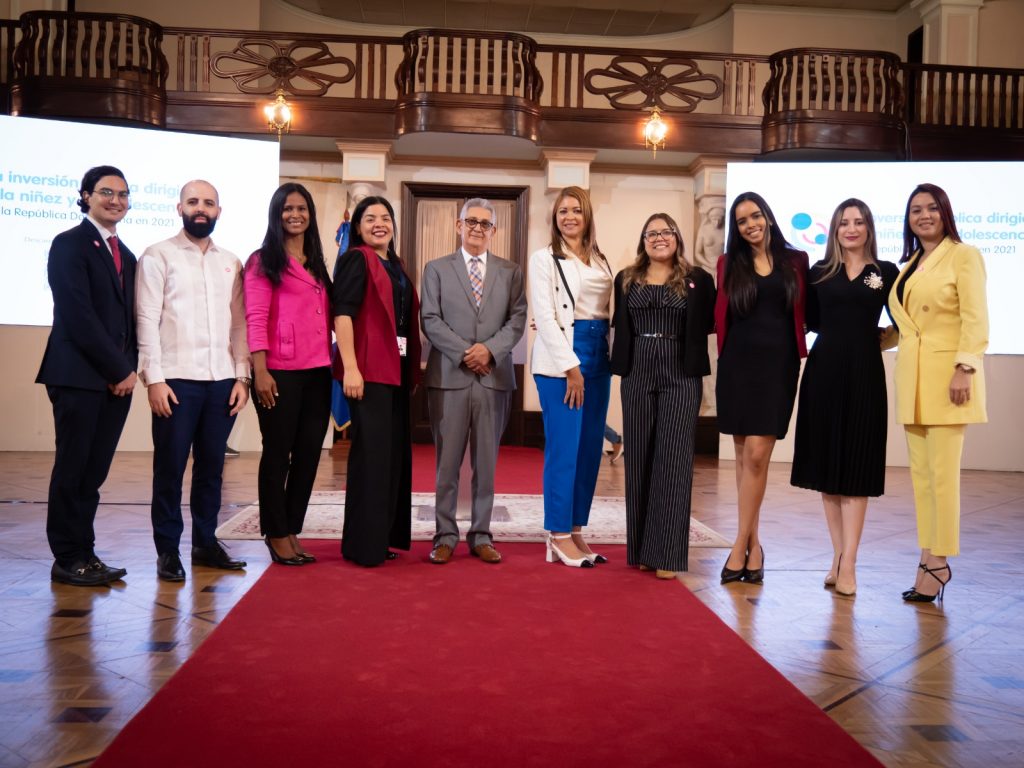
The study, presented by Digepres, Conani, MEPyD, and UNICEF, indicates an increase from 5.11% of GDP in 2016 to 5.71% of GDP in 2021. 901% of the funds are the result of internal savings and increased efficiency in public spending. The General Directorate of Budget (DIGEPRES), together with the Ministry of Economy, Planning and Development (MEPyD), the National Council for Children and Adolescents (CONANI), and the United Nations Children's Fund (UNICEF), launched the study "Public Investment Directed at Children and Adolescents in the Dominican Republic in 2021," sponsored by the Children and Adolescents Cabinet (GANA-RD), chaired by First Lady Raquel Arbaje. The launch, held at the National Palace, was led by the First Lady and the Director General of Budget, José Rijo Presbot. Luisa Ysabel Ovando de Sánchez, Executive President of the National Council for Children and Adolescents (CONANI); Mauricio Ramírez, United Nations Resident Coordinator in the Dominican Republic; and Rosa Elcarte, UNICEF Representative in the country, were present. The study aims to quantify the public investment allocated to children and adolescents in the Dominican Republic in 2021, both directly and indirectly. It also analyzes and monitors the financial efforts undertaken by the State to guarantee the fulfillment of the rights of children and adolescents. In her keynote address, the First Lady stated that “this percentage of investment places us well above the regional average for countries in Latin America and the Caribbean” and clearly demonstrates that children and adolescents are a priority for the government of President Luis Abinader. The First Lady also highlighted the work of the General Directorate of Budget (Digepres) and the measures implemented that aim at internal savings and more efficient spending through the General State Budget. “I want to thank José Rijo, from the Budget Directorate (Digepres), because 901% of the resources used in this investment come from our savings, from the people's public funds, for the people,” Arbaje stated. For his part, Rijo Presbot acknowledged the Government's efforts, which, even in the face of a wartime economy, have been able to prioritize investment in such a vulnerable sector, in addition to the creation of the Cabinet for Children and Adolescents, as a clear indicator of this administration's political will. “At Digepres, we remain committed to efficiency and quality management of public spending, and to that end, we are developing a project that, starting in 2024, will allow for multi-year, results-based budgeting,” the Budget Director announced. During the event, it was emphasized that research is a tool for fiscal policy to promote a more tailored administration of financial resources that takes into account needs and policies aimed at children and adolescents. This analysis provides objective and up-to-date financial information to improve coordination among decision-makers: those responsible for designing public policies and programs. Rosa Elcarte, UNICEF Representative in the country, highlighted that the increase in investment in children and adolescents demonstrates the country's progress and commitment to this public policy. "The study also included, for the first time, a novel perspective on institutional responses to disability within the population, which is an advance in the cross-cutting identification of responses to disability. This is a significant step for the country and the region to ensure that no one is left behind," Elcarte said. Education, social protection, and health are among the most relevant investments. The study's findings indicate that public investment directed toward children and adolescents in 2021 represented 5.7% of the Gross Domestic Product (GDP). This represents a 0.6 percentage point increase compared to 2016 and a sustained increase from 2011 to 2021. Furthermore, by life cycle, the study indicates that 33.2% of the investment was directly allocated to early childhood (ages 0-5); 39.1% to childhood (ages 6-12); and the remaining 27.7% to adolescence (ages 13-17). According to the study, the most significant investment in 2021 was directed towards education, representing 54.6% of the total. Social protection came in second with 16.8%, and investment in health programs for children and adolescents ranked third with 12.6%. The study presented by UNICEF, Digepres and MEPyD recommends continuing to prioritize investment in early childhood, increasing investment in care for children with disabilities; and, in particular, increasing public investment in protection against violence in childhood and adolescence.
Rijo Presbot: “The Budget seeks to fulfill the mandate of guaranteeing the general well-being of the people”
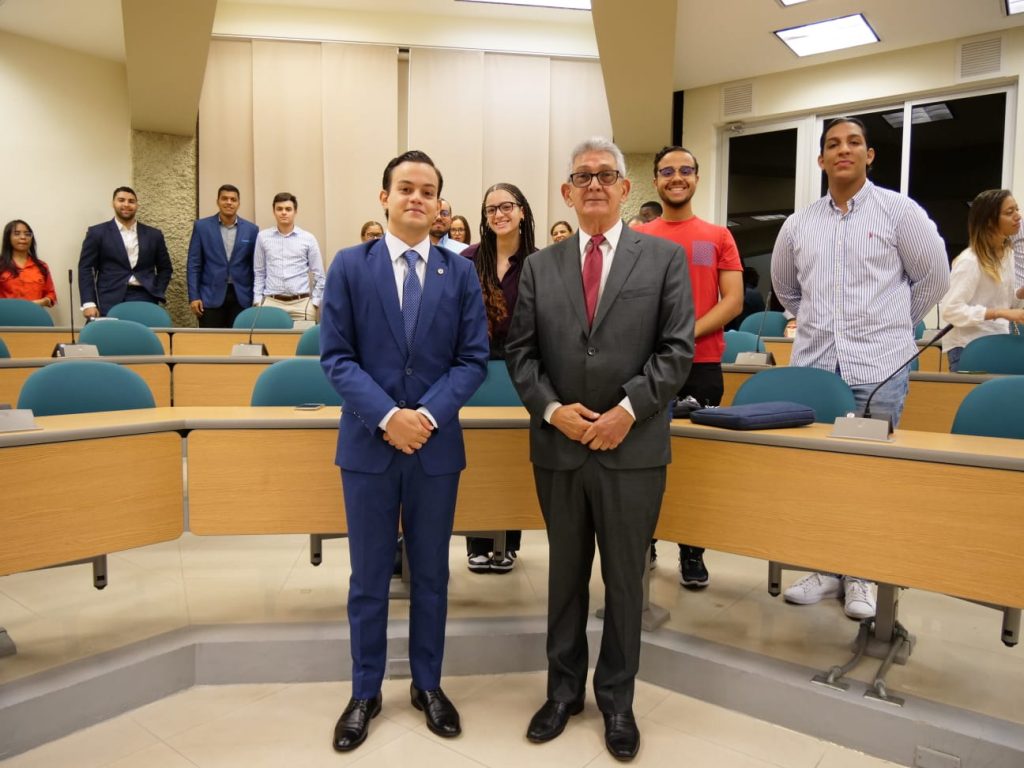
The Director General of the Budget presented the General State Budget at a Citizen Forum with the Political Ideas Association of the Pontifical Catholic University Madre y Maestra (PUCMM) in Santiago. – The Director General of the Budget, José Rijo Presbot, gave a presentation to members of the Political Ideas Association of the Pontifical Catholic University Madre y Maestra (PUCMM) in Santiago, addressing the “Budget as an instrument of public policy,” within the framework of a Citizen Forum on the Budget. This Citizen Forum was coordinated by the Political Ideas Association, made up of law students from PUCMM and created as a space for the free discussion of different ideologies and the resolution of conflicts. In his introduction, Rijo Presbot explained the legal framework of the Budget and its connection to Law No. 01-12, on the National Development Strategy 2030, the Sustainable Development Goals, and its interaction with economic and social factors. “The budget, as defined by state policy, encompasses economic, operational, and social aspects, because it must respond to these needs, address the problems society demands, and contribute to its human development,” stated Rijo Presbot. The Budget Director, in his presentation, indicated that the essential function of the State is the effective protection of individual rights, and therefore, the General State Budget (PGE) seeks to fulfill this mandate by aiming for the general welfare of the people. He also discussed the changes being implemented in the Integrated State Financial Management System (SIAFE), the multi-year budget, and the elimination of administrative debt. “No official, during 2021, contracted, executed, or accrued expenses without proper budgetary protection, and we included a provision stipulating that anyone who did so would be personally liable for it,” Presbot stated. He affirmed that the efficient and rational use of public spending allows President Luis Abinader's government to carry out projects, control imported inflation, and has prevented a decline in people's quality of life despite existing international conflicts. Economic and Social Impact of the Budget. Budget Director José Rijo Presbot emphasized that the General State Budget (PGE) has an impact on the economy, development, and standard of living of citizens, and that this is reflected in social spending, which is nothing more than the distribution of wealth, with the aim of promoting and facilitating the satisfaction of the population's basic needs and the development of the territories. "In this country, we were led to believe that we had to solve individually what should be solved collectively, stripping us of the concept of rights," Rijo Presbot stated. He asserted that, for a proper redistribution, public spending must provide all of society with quality goods and services. Benefits of Wealth Distribution: Rijo Presbot explained that social investment increases a country's progressive development, and if tax collection systems are fair, the necessary funds can be collected efficiently and sustainably to provide more goods and services to the population. "The State and governments, as part of their primary function, must promote income redistribution and the fight against poverty, where the public budget plays a fundamental role," the budget director emphasized. He was accompanied by Ana Miguelina Terrero, head of the Performance Evaluation Department, and Airon Fernández, Economic Studies and Financial Monitoring Specialist at Digepres. The event was moderated by Marcos Guzmán, president of AIP, and held at PUCMM in Santiago.
Budget and MEPyD present tool to prioritize public investment projects
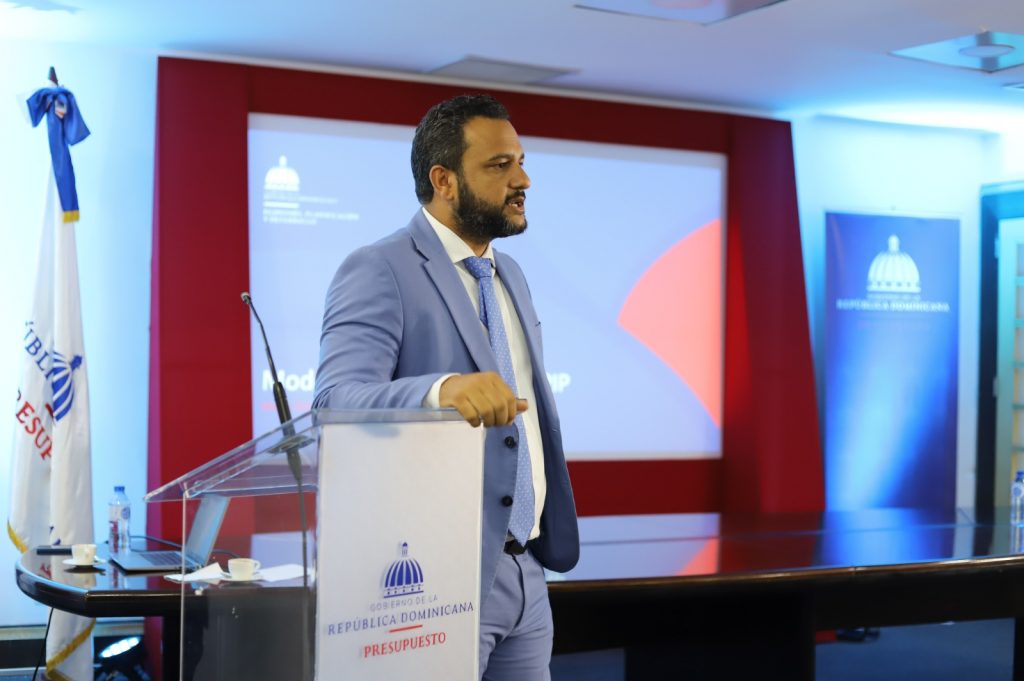
The initiative also promotes the use of a common framework for infrastructure planning across the country by state institutions. The Ministry of Economy, Planning and Development (MEPyD) and the General Directorate of Budget (Digepres) held a meeting to share a methodology among public entities that establishes criteria for prioritizing public investment projects. The meeting also aimed to provide information to improve the quality of state investment, ensuring its execution with adequate levels of efficiency and effectiveness, and prioritizing community needs. The discussion was led by Pavel Isa Contreras, Minister of Economy, Planning and Development; Iván Ramírez, Deputy Director of Budget; and representatives from other government institutions. The welcoming remarks were delivered by Luis Madera, Vice Minister of MEPyD, who gave the main presentation entitled “Model for Prioritizing Public Investment Projects.” For his part, Pavel Isa Contreras, Minister of Economy, Planning and Development (MEPyD), explained that the tool provides technical criteria and options so that institutions can identify which projects to select from the set of infrastructure projects included in their planning. “We offer a mechanism that indicates priorities and influences decision-making, allowing for a degree of certainty, effectiveness, and a common framework among government institutions,” Contreras explained. Luis Madera, Vice Minister of MEPyD, explained in his presentation that the project aims to ensure that development is directed where people live, an explicit mandate of President Luis Abinader's government vision. He also highlighted that among the project's advantages are its prioritization of the poorest provinces with the lowest historical investment, territorial demands, and projects rather than institutions. Madera referred to the Public Planning and Investment Law, No. 498-06, as the strategic guide that identifies the complementarity and synergy that should prevail in the portfolio of evaluated and prioritized projects, and the budget. Prioritization Methodology. Luis Madera also explained that the tool is based on hierarchical analytical processes, used in both the public and private sectors to address complex issues. Other members of the Budget technical team who participated included Odilys Hidalgo from the Budget Services Directorate; Griselda Gómez Santana from the Budget Management Quality and Evaluation Directorate; and María Victoria Ortíz, head of the Budget Standards and Methodologies Department, among other representatives from various areas of the General Directorate of Budget (Digepres). Martín Francos Rodríguez, Director General of Public Investments at the Ministry of Economy, Planning and Development (MEPyD), also attended. The event was held in the Juan Bosch Room at Digepres.
Sustainable Budget reforestation day manages to plant 2,000 trees in Villa Altagracia
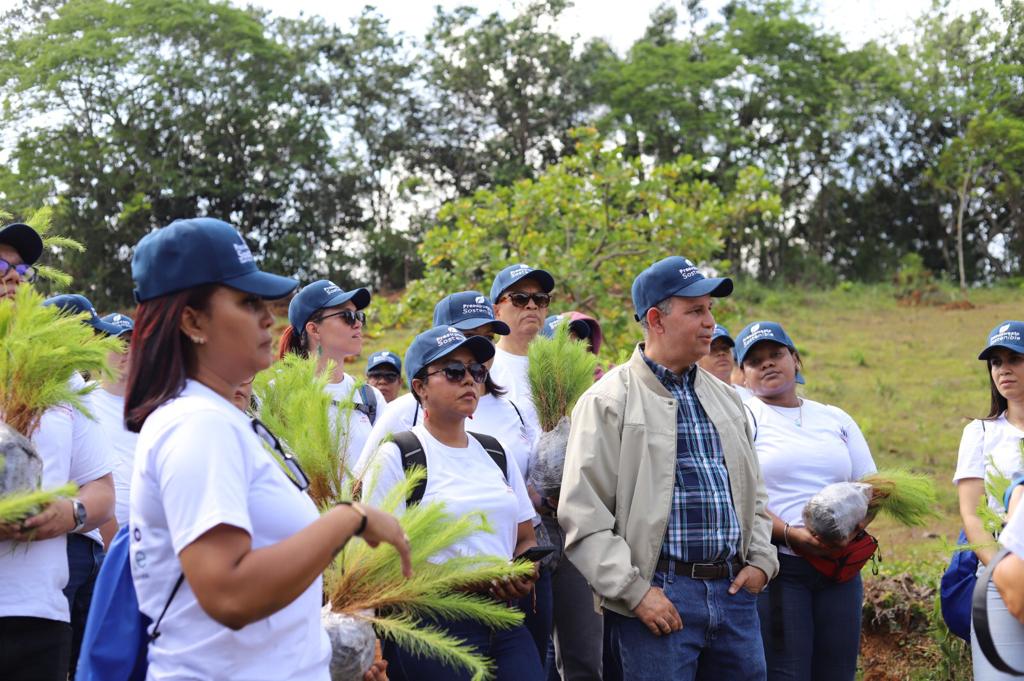
La iniciativa, parte del proyecto institucional Presupuesto Sostenible, congregó a más de 40 colaboradores de la institución. RD se cuenta entre países pioneros con un clasificador funcional de Cambio Climático en su Presupuesto. San José del Puerto, Villa Altagracia. – La Dirección General de Presupuesto (Digepres), en coordinación con el Ministerio de Medio Ambiente y Recursos Naturales, realizó una Jornada de reforestación en el distrito municipal de San José del Puerto en el municipio Villa Altagracia. La actividad de responsabilidad social buscó elevar las acciones que, desde la Digepres, se impulsan a través del proyecto institucional Presupuesto Sostenible, para minimizar la problemática ambiental que afecta la vida de las presentes y futuras generaciones. El subdirector de Presupuesto, Iván Ramírez, encabezó la comitiva de servidores públicos a quienes agradeció su participación en dicho encuentro y el aporte a favor de la preservación del medio ambiente. “Con esta iniciativa ayudamos a contrarrestar el impacto al medioambiente y se motiva a otras instituciones y ciudadanía a sumarse a estos esfuerzos, que contribuyen a la conservación del planeta”, dijo Ramírez. Asimismo, valoró el apoyo de los técnicos de Medio Ambiente por su acompañamiento e instrucciones sobre el procedimiento para una siembra adecuada. De su lado, Javier Gómez Iglesias, de la Dirección de Reforestación del viceministerio de Recursos Forestales del Ministerio de Medio Ambiente y Recursos Naturales, agradeció la colaboración de Presupuesto en promover acciones a favor de la naturaleza. “Día a día debemos concientizar más a nuestros hijos, vecinos y colaboradores en la importancia de cuidar el medioambiente, porque es cuidar la vida y el país”, destacó Gómez. En la Jornada de reforestación participaron más de 40 colaboradores de Presupuesto y se plantaron cerca de 2,000 plantas de pino caribaea. Proyecto Presupuesto Sostenible En febrero de este año, Digepres puso en marcha el proyecto Presupuesto Sostenible, iniciativa que busca elevar la conciencia ambiental entre los colaboradores y público en general a través de actividades programadas y la difusión de material educativo. Además, contempla la conformación de un voluntariado para respaldar las acciones llevadas a cabo en la vida del proyecto. Presupuesto Sostenible también se suma a las acciones que se ejecutan a través del nuevo clasificador funcional de Cambio Climático en el Presupuesto General del Estado, que busca identificar y destinar el gasto eficiente y medidas favorables para el medio ambiente. República Dominicana se cuenta entre los países pioneros con la implementación de este clasificador.
Budget Director presents Dominican Republic's budget management progress to IMF mission
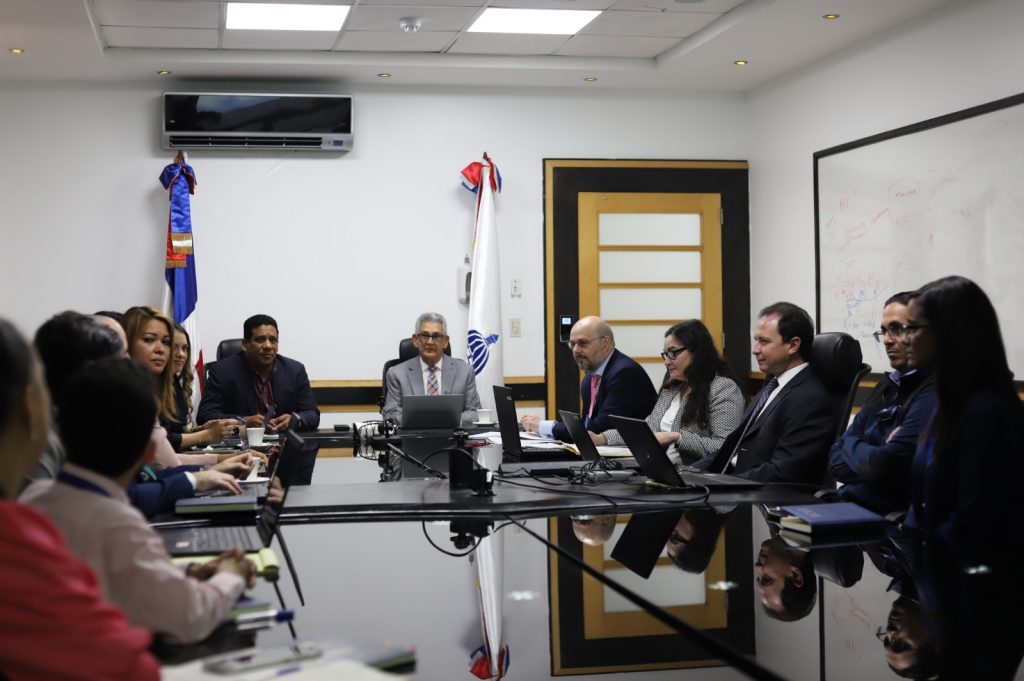
Carlos Pimentel, Director of Public Procurement, along with Rijo Presbot, led the meeting. They reiterated that indicator evaluations show the government's measures are effective in benefiting the most vulnerable. Representatives from the General Directorate of Budget (Digepres) and the International Monetary Fund (IMF) held a meeting to monitor the Dominican Republic's economic activity. José Rijo Presbot, Director General of Budget, and Carlos Pimentel, Director General of Public Procurement, jointly received the IMF mission, which included Emilio Fernández Corugedo and Pamela Madrid. During the meeting, Rijo Presbot provided a general overview of the country's economic performance and the short-term outlook for the Dominican economy, including challenges, tools, and reforms implemented by President Luis Abinader's administration to strengthen transparency and integrity and promote citizen participation. He detailed the government's response to the effects of Hurricane Fiona on the Dominican Republic and the fuel costs resulting from the conflict between Russia and Ukraine. “This scenario increased the deficit from 3% to 3.6%, however, we ended up below that latter figure, and we covered all the effects of Hurricane Fiona without resorting to debt, using only existing resources,” explained Rijo Presbot. Meanwhile, Fernández Corugedo from the IMF directed questions toward the distribution of spending, social investment, budget management, fiscal matters, the multi-year budget, and the prevention and control of corruption. The Budget Director referred to administrative debt, an outdated practice eliminated by this administration. “An article in the Budget Law states that no official can enter into a transactional agreement that generates administrative debt, and anyone who does so must pay it with their own assets,” reiterated Rijo Presbot. He also added that, in the Transactional Portal for Purchases and Contracts, when a project, good, or service is awarded, the money is already reserved precisely to avoid generating administrative debt. Rijo Presbot also outlined the government's subsidy measures for the electricity, transportation, agricultural, and other social sectors to address fuel prices and prevent them from impacting Dominican families. He stated that the evaluation of indicators shows these measures have benefited the country's most vulnerable populations. Pimentel, for his part, explained the work carried out by his institution related to the Financial Management Information System (SIGEF). "The Ministry of Finance, through resolution number 157-2022, announced the automatic integration of the Expenditure Module of the Financial Management Information System (SIGEF) with the Electronic Public Procurement System (SECP), to improve the procurement process in public institutions," Pimentel emphasized. Rijo Presbot referred to the Budget Management Index (IGP), explaining that this tool measures quarterly the degree to which institutions carry out effective, efficient, and transparent budget management. He highlighted work aimed at local governments in the areas of the environment and gender. Finally, he stated that DIGEPRES has encouraged citizen participation and social oversight with initiatives such as Citizen Budget, which offers a more streamlined explanation of the General State Budget, and Citizen Meetings, which facilitate engagement with organized civil society. IMF: Positive Government Measures The International Monetary Fund (IMF), in its May 2022 report, presented the conclusions of the 2022 Article IV Consultation, assessing the measures taken by the Dominican government to protect the population from external inflationary pressures as positive. Also participating in the event on behalf of DIGEPRES were Odilys Hidalgo, Sorangel González Díaz, Juan Portalatin, and Luis Antonio Rodríguez. In addition, Ruth Henríquez, Katherine Gutierrez, Aldo García and Mabel Infante from Public Procurement.
Rijo Presbot dicta conferencia a graduados de Estudios Militares sobre el Presupuesto público
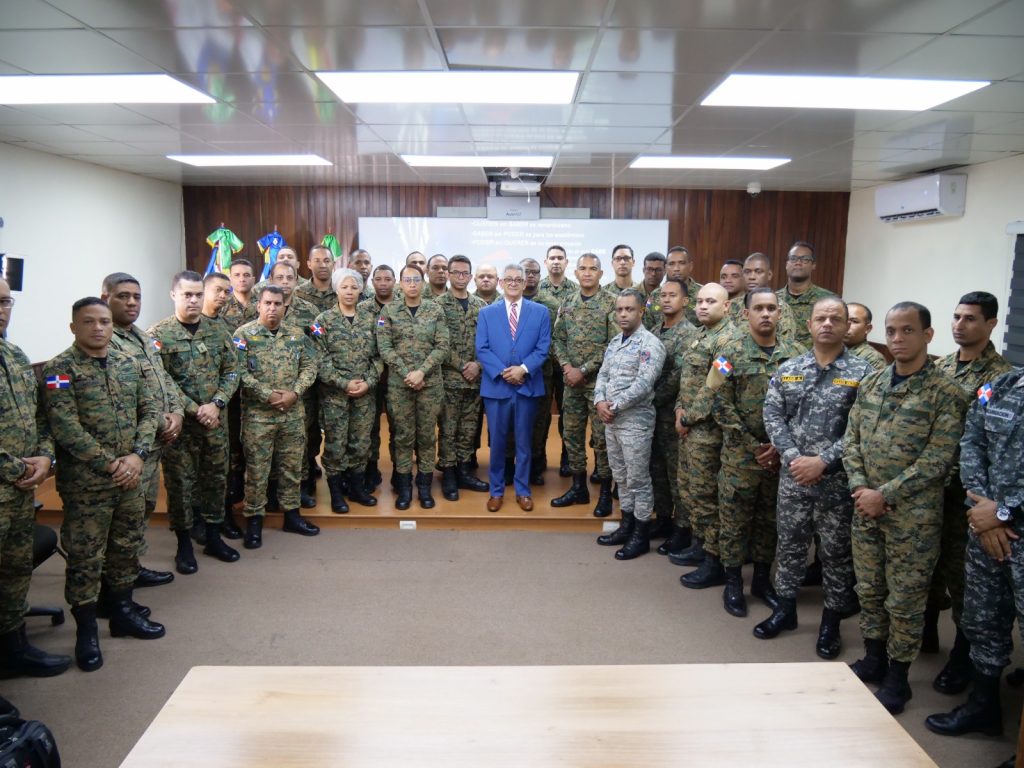
La actividad, como parte de la iniciativa Encuentro Ciudadano, buscó ampliar los conocimientos del cuerpo militar, docentes y personal administrativo de la escuela en materia de política pública y Presupuesto La Dirección General de Presupuesto (Digepres) realizó un Encuentro Ciudadano dirigido a la Escuela de Graduandos de Estudios Militares del Ejército de la República Dominicana (EGEMERD), para dar a conocer aspectos que componen el Presupuesto General del Estado. Las palabras de bienvenida estuvieron a cargo del coronel Jorge Luis Vásques Suárez, ERD (DEM), quien destacó que con este conversatorio buscan proporcionar mayor conocimiento sobre las acciones vinculadas con las políticas públicas del Gobierno a través del Presupuesto. El director general de Presupuesto, José Rijo Presbot, durante la presentación del tema valoró estos Encuentros como espacios que permiten a los ciudadanos conocer las interacciones económicas, sociales, ejecución y planificación del Presupuesto General del Estado. En su ponencia, Rijo Presbot explicó que “el Presupuesto es una herramienta de planeación que expresa en términos financieros el mecanismo que utilizamos para distribuir de manera adecuada la riqueza del país”. Agregó, además, que contempla marcos legales, gastos, ingresos, controles internos y una lógica democrática. Resaltó también, que está estructurado bajo principios de justicia e igualdad, presentando avances y acciones del Gobierno del presidente Luis Abinader, que apuntan a transparentar las instituciones públicas y eliminar la desigualdad entre los ciudadanos. “Lo importante es mejorar la vida de la gente. Un ejemplo de ello, el aumento gradual de sueldos que dispuso el presidente Luis Abinader, para oficiales, alistados del Ejército, la Armada y Fuerza Aérea de República Dominicana, desde el pasado mes de marzo”, resaltó Rijo Presbot, al tiempo de indicar la importancia de colocar los Derechos Humanos en el centro de las políticas económicas y sociales del Estado. Entre los asistentes estuvieron el general de brigada, Ambiorix de Jesús Cepeda Hernández, ERD, director de la Escuela de Graduandos en Derechos Humanos; coronel Freddy Antonio Marte Acosta, ERD, MA, director de la Escuela de Graduandos de Doctrina Conjunta MDE; coronel Melbin Guzmán Polanco, ERD (DEM), subdirector de extensión y educación continua de la Escuela de Graduandos; teniente coronel Betancourt Cambumba, FARD, subdirector financiero de la Escuela de Graduandos; Armidis Galán, coordinadora y asesora en materia de relaciones internacionales; además, docentes y personal administrativo de la escuela. Rijo Presbot describió también aspectos teóricos y prácticos del ciclo presupuestario y programas de Gobierno para responder a las necesidades básicas de la población y el desarrollo de los territorios. Capacitaciones y Encuentros Ciudadanos Se recuerda que la Dirección General de Presupuesto (Digepres) ofrece a las instituciones públicas capacitación a instituciones en temas presupuestarios, para fortalecer los conocimientos en materia de gestión eficiente del sistema presupuestario; mientras, con los Encuentros Ciudadanos se busca reafirmar el compromiso con la transparencia, la cercanía con la ciudadanía y garantizar, por primera vez desde el Gobierno, la participación social en la formulación del Presupuesto General del Estado. La actividad fue realizada en la facultad de Ciencias Militares del Ejército Nacional Dominicano.
Budget Director presents budget execution progress to university economics academics
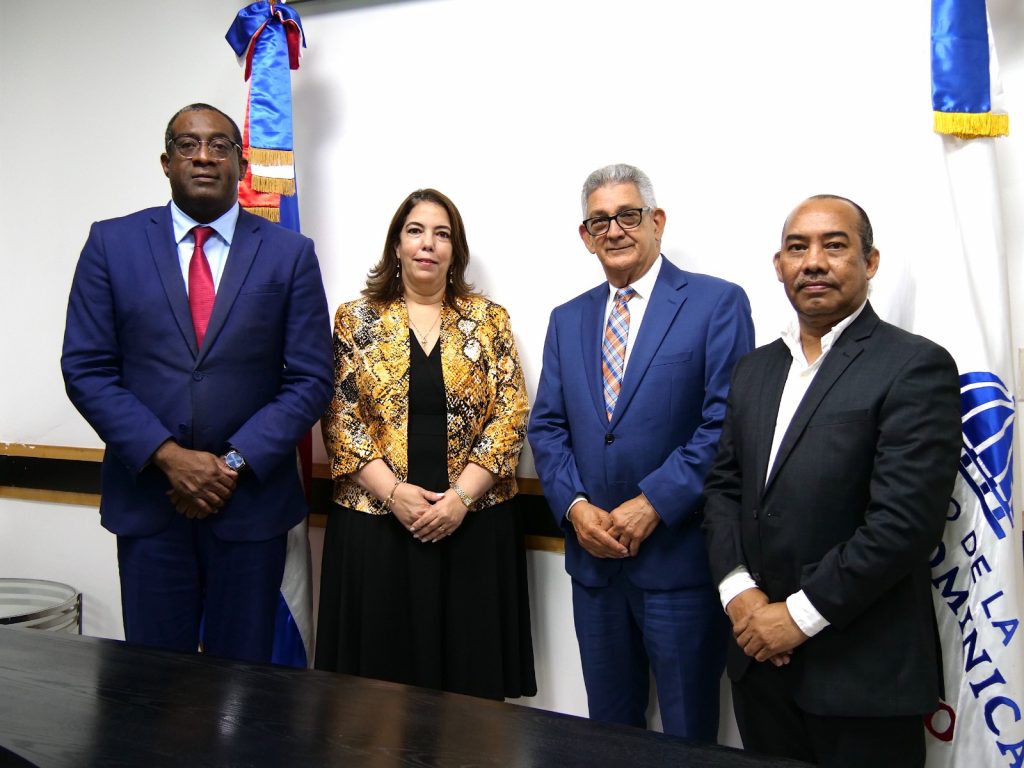
The activity promotes a strategic alliance to bring Economics students closer to the execution of the General State Budget. The General Directorate of Budget (Digepres) held a Citizen Meeting with academics from Economics faculties to discuss the central government's budget execution for the first quarter of 2023. The event also aimed to establish the foundations and strategic alliances to bring university Economics students closer to the execution of the General State Budget. The presentation was given by the Director General of Budget, José Rijo Presbot, during the Citizen Meeting, where he emphasized the institution's interest in promoting citizen participation in public budget management. "To improve the quality of public policies, it is crucial that citizen participation be early and timely, that is, that it involves monitoring the design and formulation, planning, execution, follow-up, and evaluation," stated Rijo Presbot. The Budget Director, while explaining the budget execution for the first three months of 2023, also highlighted the progress made by President Luis Abinader's administration. “The government eliminated the practice of administrative debt. Expenditures that are not properly documented cannot be executed without appropriation certification.” Among other actions, he mentioned substantial improvements to the police, health, and pension sectors. Those present at the meeting included Antonio Ciriaco Cruz, Dean of the Faculty of Economic and Social Sciences at the Autonomous University of Santo Domingo (UASD); Rita Mena, Director of the School of Economics at the Pontifical Catholic University Madre y Maestra (PUCMM); and Manuel Santana, Finance Coordinator at the Technological Institute of Santo Domingo (INTEC). Rijo Presbot explained to the professors the budget variables, tax revenues, functional distribution of spending, debt behavior and interest rates, the budget allocation established by law, and budget results. The Budget Director also addressed the impact of the international crisis stemming from the war between Russia and Ukraine on the Dominican economy, explaining that the government has resorted to subsidies as an effective transitional tool to alleviate the effects of imported inflation following the conflict. Rijo Presbot provided details on the central government's public investment in the provinces during the first quarter of the year. "Approximately RD$20,343 million has been invested in Santo Domingo, Santiago de los Caballeros, Duarte, the National District, and Azua." He also highlighted ongoing initiatives to meet the public's social demands in the areas of water, infrastructure, social programs, and subsidies for the electricity and fuel sectors. Furthermore, he encouraged those present to monitor the weekly Budget Execution report published by Digepres, which details even the smallest level of government spending, as a key factor in assessing transparency. Finally, participants had the opportunity to express their concerns regarding improvements related to the quality of spending, public policies, and tax reforms. The Budget Director was accompanied by a team of collaborators including Jenny Batista from the Social Services Department; Juan Portalatin, Sorangel González, and Airon Fernández from the Economic Studies Department; Ana Miguelina Terrero from Budget Performance Evaluation; and Odilys Hidalgo from the Budget Services Directorate. Citizen Encounter is an initiative of the Budget Directorate (Digepres) to reaffirm its commitment to transparency and, for the first time by the government, guarantee public participation in the budget formulation process.