


 EN
EN  ES
ES Digepres concludes Water Week with a talk on its importance and sustainable management
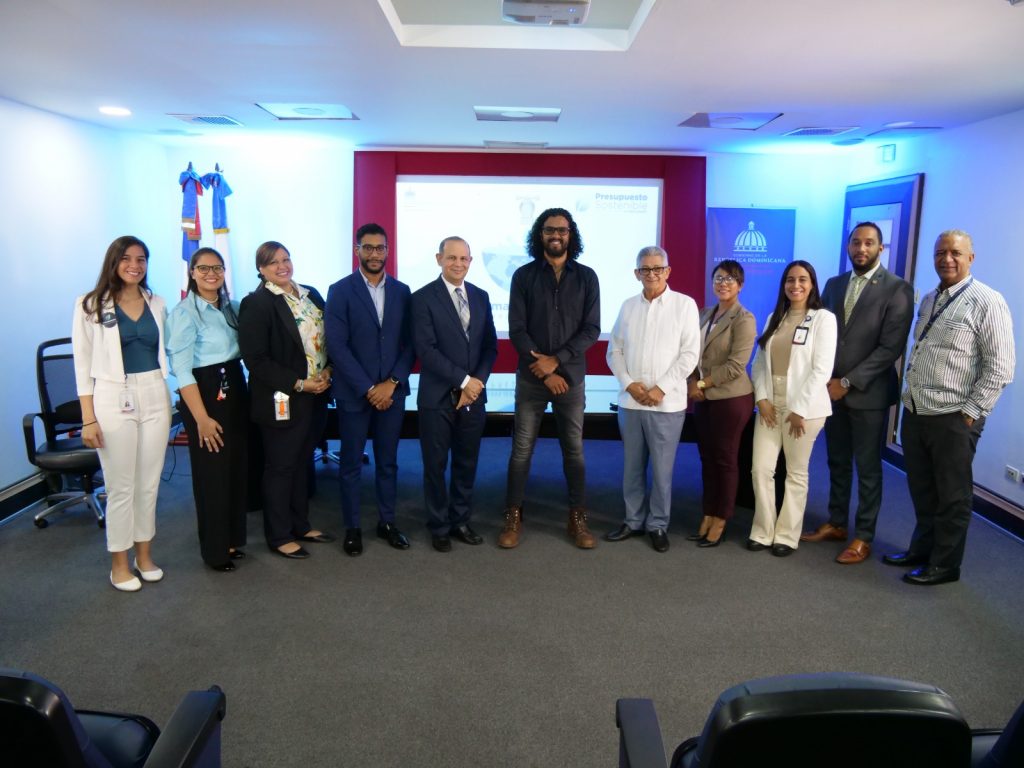
Through its Sustainable Budget project, the institution seeks to raise awareness about the importance of water resources, their availability, and recommendations for their conservation. With the aim of raising awareness about the protection of water in all its diversity, the General Directorate of Budget held a talk entitled "Water, Sustainability, Resilience, and the Role of Citizens," aimed at the institution's staff. The activity sought to discuss and reflect on the socio-environmental problems that arise from failing to promote its conservation and care. The welcoming remarks were delivered by the Director General of Budget, José Rijo Presbot, who thanked the speaker and attendees for their presence. He also stated that the institution is promoting efforts to implement an environmental sustainability policy both internally and externally through the Sustainable Budget project. During his speech, Rijo Presbot emphasized the importance of water preservation and conservation, highlighting its fundamental role as a resource for life and the actions taken by President Luis Abinader's administration to ensure that water reaches every Dominican. “From a budgetary standpoint, we have compared water investments in 2018 and 2019 with those of 2021 and 2022, and there has been a 104 percent increase; this means that 2.2 million Dominicans now have access to tap water,” said Rijo Presbot. He added that communities that had lacked access to this precious resource for over 30 years now have access to aqueducts. He also highlighted the incorporation of the National Institute of Drinking Water and Sewerage (INAPA), the Santiago Water and Sewerage Corporation (CORAASAN), and the Santo Domingo Water and Sewerage Corporation (CAASD), among others, into the Financial Management Information System (SIGEF) as another achievement in the water sector; this will ensure transparency and institutional integrity in the management of water resources. The talk, entitled “Water, Sustainability, Resilience, and the Role of Citizens,” was given by architect, environmentalist, and social activist Ico Abreu, who began his presentation by establishing criteria on the topic of sustainability and its importance. He then addressed the issue of water, highlighting how it is obtained and disposed of, and its contamination by discharges from human and industrial activity. “Addressing the issue of conservation and protection of drinking water and rivers is a civic and state responsibility for their sustainability,” Abreu stated. He explained in detail the water treatment process, sanitary criteria and quality parameters for human consumption, and the use, management, and handling of wastewater, including black and grey water. Abreu also highlighted other environmental issues related to international agreements concerning water resources and their management, gas emissions, climate change, the global green movement, and ways to contribute individually and collectively to environmental sustainability. Sustainable Budgeting: It is worth recalling that the General Directorate of Budget (Digepres) presented the Sustainable Budgeting project in February with the aim of raising awareness among the institution's employees and the general public about the importance of protecting the environment. The event, held in the Juan Bosch Room at the Budget Office, was also attended by the Deputy Director of Budget, Iván José Ramírez Vargas; Francisco Manuel Abreu Páez, Head of the Human Resources Department; project managers; and other staff members.
Banco Mundial presenta programa a Digepres y MEPyD para mejoras al sector agua
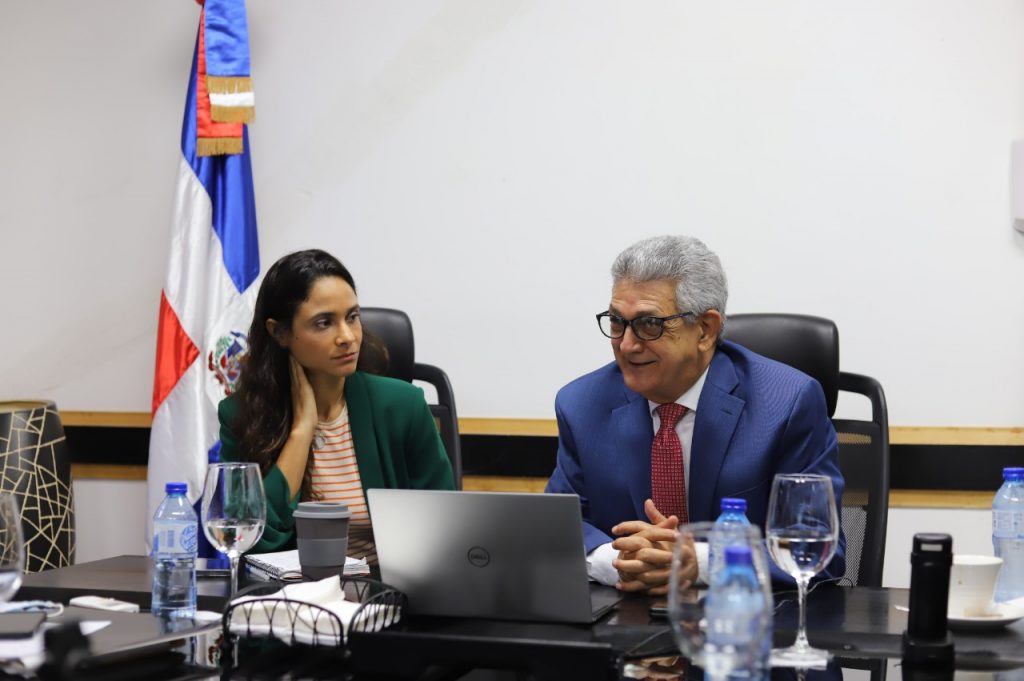
El programa pautado para iniciar como plan piloto en febrero de 2023 busca apoyar e incentivar inversiones para mejorar la eficiencia y calidad de los servicios hídricos El Banco Mundial presentó a la Dirección General de Presupuesto (Digepres) y al Ministerio de Economía Planificación y Desarrollo (MEPyD) un programa para la modernización del sector agua que impactará diferentes provincias del país. El proyecto, que inicia como un plan piloto, busca tener como resultado apoyar e incentivar inversiones para mejorar la eficiencia y calidad de los servicios, reducir presiones fiscales, el aumento de los ingresos, la reducción de los costos y mejorar las pérdidas en materia hídrica. Las asignaciones de los montos del programa están dirigidos al Gobierno central, Instituto Nacional De Aguas Potables Y Alcantarillados (INAPA), Corporación del Acueducto y Alcantarillado de Santiago (CORAASAN) y a la Corporación de Acueducto y Alcantarillado de La Vega (CORAAVEGA). José Rijo Presbot, director general de Presupuesto; Martín Rodríguez y Alberto Veloz, del MEPyD, recibieron a Carmen Amaro-Bergés, representante de Banco Mundial en el país. De manera virtual, Craig Kullman, Omar Jiménez, Ismaila Ceesay y Nelson Suárez. Kullmann, especialista en abastecimiento de agua y saneamiento del Banco Mundial, quien estuvo a cargo de la presentación del programa, manifestó que la iniciativa está pautada para iniciar en febrero de 2023 y que ayudará a incrementar el acceso, la calidad de los servicios y el saneamiento del agua potable. “El proyecto contempla una inversión total de 250 millones de dólares distribuidos en diferentes partidas entre las instituciones involucradas”, agregó. De su lado, Rijo Presbot agradeció la participación de los presentes e indicó que, “el tema del agua es una prioridad nacional para el presidente Luis Abinader, y todo lo que va dirigido al sector agua buscamos que se cumpla”. En ese mismo orden, el director de Presupuesto dijo que estudiarán la propuesta y se acordó crear una mesa técnica para la elaboración de la estructura programática del proyecto y ver si puede ser incluido en el Presupuesto del año 2023. Rijo agregó que, en materia de agua existen desafíos en el país, sin embargo, en los dos primeros años del Gobierno se exhiben logros significativos en beneficio de la población. En este encuentro también participaron Odilys Hidalgo, Griselda Gómez, Rolando Reyes, Ana Lucía Burgos, Isabel Martínez y Ana Terrero, como parte del equipo técnico de Digepres con el fin de socializar aspectos del sector agua y conocer de forma integral la propuesta de Banco Mundial, su factibilidad, marcos legales, asistencia técnica, desembolsos, metodología y mejoras de servicios implícitos en el proceso para la reforma del sector agua en el país. Agua, como prioridad del Gobierno del Cambio Las políticas públicas dirigidas al agua potable y saneamiento revisten importancia en el Gobierno del presidente Luis Abinader. Algunas de las acciones llevadas a cabo se enmarcan en el Compromiso Nacional por el Agua, cuyo objetivo es la creación del Pacto Nacional por el Agua 2021-2036. Actualmente en el sector, se está ejecutando la construcción de los acueductos de San José De Ocoa – Sabana Larga; Cabo Rojo-Pedernales; Miches – zona hotelera, Haina y Villa Altagracia, así como los alcantarillados de Mao; Juan Dolio -Guayacanes; Villa Riva; Castillo; Pimentel y Las Matas de Farfán, entre otros, beneficiando a más de 1 millón 800 mil dominicanos. Además, de otras acciones contempladas a mediano y largo plazo, para mejorar el acceso al agua como derecho humano.