

 EN
EN  ES
ES Budget recognizes outstanding performance of 25 institutions in the process of preparing and delivering the Self-Assessment Report
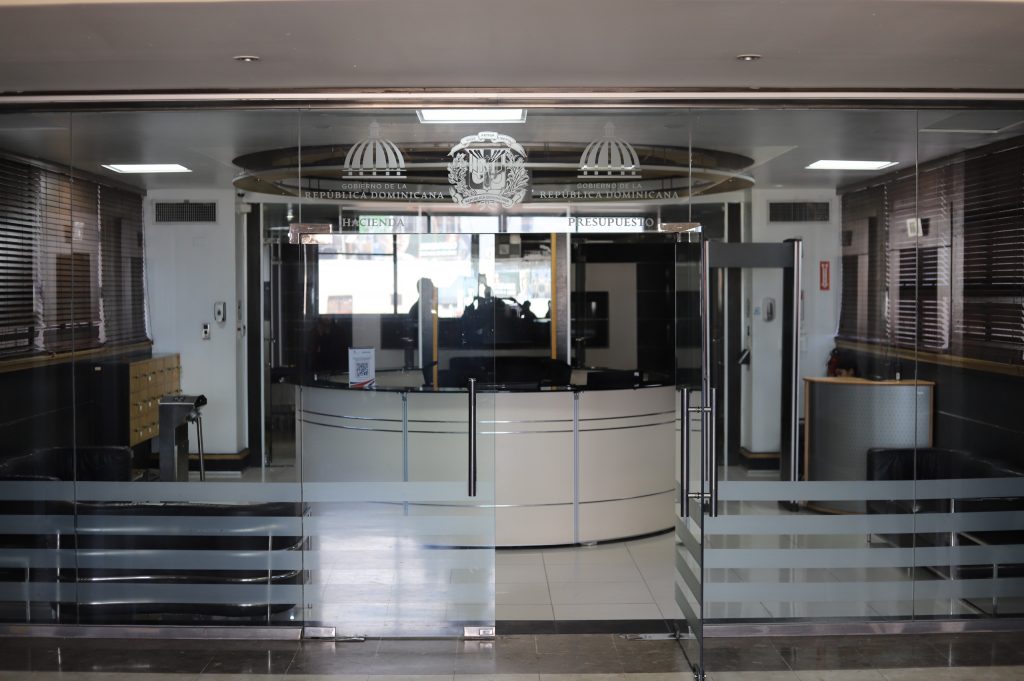
The compliance ranking aims to incentivize good institutional performance, recognize quality and accountability in processes, promote best practices in public management, and strengthen public trust. The General Directorate of Budget (Digepres) recognized the outstanding work of 25 public institutions in the process of preparing and submitting the Self-Assessment Report on Physical and Financial Performance for fiscal year 2025. This report demonstrates the real impact of budget management, highlights the efficient use of public resources, and reflects, in physical terms, how these resources translate into better services for citizens. To this end, the General Directorate of Budget designed a compliance ranking that allows institutions to be positioned according to their performance and the efficiency of their work in preparing and submitting the Self-Assessment Report. The institutions included in this ranking demonstrated high standards in the quality of the information presented, as well as in the timeliness of its submission, contributing to strengthening the quality of public spending and promoting more efficient, transparent, and results-oriented management. Among the institutions participating in the ranking are the Ministry of Industry, Commerce, and MSMEs; the Ministry of Higher Education, Science, and Technology; the General Directorate for the Beautification of Highways and Ring Roads; Civil Defense; the General Directorate of Public Credit; the National Commission for the Defense of Competition; the Social Subsidies Administration; the General Directorate of Government Accounting; the Dominican Institute for Quality; and the Social Security Treasury. Also highlighted in the ranking are the performance of the General Directorate of Migration; the Central Hospital of the Armed Forces; the National Statistics Office; the Dominican Institute of Civil Aviation; the National Emergency and Security System 911; the Dr. Nelson Astacio General Hospital of Specialties; the Comptroller General of the Republic; the General Juan Pablo Duarte National Defense University; and the Dr. Vinicio Calventi General Hospital. Furthermore, the General Directorate of the Presidency (Digepres) recognized the outstanding performance of the Council of the Judiciary; the Ministry of Housing, Habitat, and Buildings; and the Ombudsman's Office. The Chamber of Deputies and the Chamber of Accounts of the Dominican Republic. This initiative is part of a broader effort to promote continuous improvement, transparency, and the strengthening of public management, fostering a culture of responsible and high-quality compliance in institutional evaluation processes. The Budget Performance Self-Assessment Report, more than just a formal requirement, is an opportunity to demonstrate the impact of public resources and strengthen public trust. Regarding the Self-Assessment Report and the Compliance Ranking: With the implementation of this evaluation and ranking, the General Directorate of Budget (Digepres) seeks to incentivize good institutional performance, recognize quality and responsibility in processes, promote best practices in public management, and highlight results that generate public value. Digepres values the commitment of the technical and management teams responsible for these achievements, emphasizing their contribution to the development of best practices in the planning, execution, and evaluation of the public budget. Furthermore, it reiterates its willingness to continue providing support and technical assistance to public sector entities, with the purpose of consolidating the progress achieved and continuing to strengthen institutional processes for the benefit of citizens.
Digepres and the Ministry of Women promote institutional strengthening of the gender approach in the General State Budget
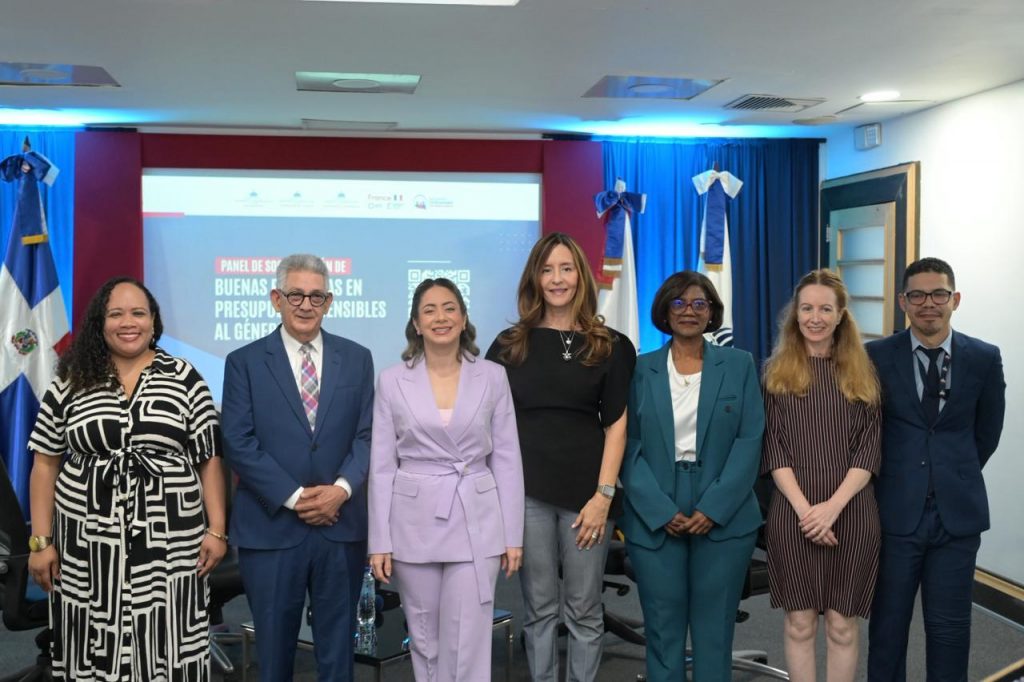
The event, which included a panel discussion coordinated by the Ministry of Women and DIGEPRES, was linked to the activities planned for March in commemoration of International Women's Day and was supported by the French Development Agency and Expertise France. The General Directorate of Budget (DIGEPRES), in coordination with the Ministry of Women and the French Development Agency (AFD) in the Dominican Republic, held the panel discussion "Gender-Responsive Budgeting in the Dominican Republic" as part of a Citizen Forum. This event was part of the Sustainable and Inclusive Public Finance project, which aims to integrate gender, climate change, and disaster risk management perspectives into public administration in the country. The panel sought to strengthen the conceptual and practical understanding of Gender-Responsive Budgeting (GRB) and its technical integration into the budget cycle in the Dominican Republic. This activity is the first of the year with civil society organizations following the publication of the 2027 budget formulation calendar. The event was led by the Director General of the Budget, José Rijo Presbot; the Minister of Women, Gloria Reyes; Sandra Lara, representing Olaya Dotel, Vice Minister of International Cooperation of the Ministry of the Presidency; Rosa Matos, Director of Mainstreaming Equality at the Ministry of Women; Virginie Díaz, Director of the French Development Agency (AFD) in the Dominican Republic; María Victoria Ortiz, Head of the Standards and Methodologies Department at DIGEPRES; Ana Miguelina Terrero, Head of Budget Performance Evaluation; and María Dolores Almeida, consultant for the agency Expertise France. The welcoming remarks were delivered by the Director of the Budget Office, who, after greeting those present, highlighted the importance of the project and the training on Gender Equality and Sustainability (GES), stating that the budget should be an instrument that brings public policies closer to the people and a transformative force in practice. He added that the General Directorate of Budget (DIGEPRES) has been working on gender labeling to strengthen best practices in public institutions on this issue. “Institutions must prepare their budgets with gender equality and equity in mind to eliminate gender gaps in the Dominican Republic,” Rijo Presbot pointed out. He also emphasized that President Luis Abinader's administration is committed to achieving equality between men and women through the implementation of government programs, projects, and strategies. For her part, Gloria Reyes, Minister of Women, indicated that the project directly impacts justice and democracy and constitutes a fundamental tool for transforming lives. She also emphasized that the budget is the tool that defines the direction the country is taking. “A gender-responsive budget is not a special budget for women, but rather one that incorporates the gender dimension into all its aspects, promoting an active and participatory commitment from all sectors of the country,” the minister emphasized. Virginie Díaz, director of the AFD (Development Finance Agency), positively assessed the level of coordination and alignment demonstrated between DIGEPRES (General Directorate of Budget and Expenditure) and the Ministry of Women, as well as the efforts and progress achieved within the framework of the Sustainable and Inclusive Public Finance project. She also highlighted the importance of continuing to fight to eradicate the types of violence perpetrated against women and girls in the country, adding that these actions help reduce challenges and gaps related to this issue. The panel, composed of Rosa Matos, María Victoria Ortiz, Ana Miguelina Terrero, and María Dolores Almeida, addressed topics related to fiscal policy and gender, gender policies in the Dominican Republic, progress in the implementation of the Gender-Responsive Budget in the country, and the monitoring and evaluation of public spending on gender. The presentations highlighted the distinct needs of men and women, national and international statistics and regulatory frameworks for achieving gender equality, and initiatives developed by the Dominican government to mitigate the problem and guarantee women's human rights. They also addressed the methodology for monitoring and evaluating public spending on gender; a tool that allows the Dominican Republic to analyze not only the amount of spending but also its impact on reducing the gender gap, positioning the country as a leader in Latin America. This event complements the training activities on gender-related public spending (GRPS) within the public administration prior to the formulation of the 2027 General State Budget. The training of 30 GRPS trainers has concluded, enabling them to support the Ministry of Women and the General Directorate of Budget (DIGEPRES) in strengthening the capacities of the country's institutions, with the support of a training kit developed for this purpose. The activity was aimed at officials from DIGEPRES (General Directorate of Budget), the Ministry of Women, planning and finance units, and gender equality units of public entities, as well as professionals related to the PSG (Gender and Social Policy) and civil society organizations. Among the latter, representatives from the PROLIDER International Council, Fundación Solidaridad (Solidarity Foundation), the Center for Solidarity for Women's Development (Ce-Mujer), Fundación Mujer Pro-Solidaridad con Amor (Women Pro-Solidarity with Love Foundation), and the Center for Research for Women's Action (CIPAF) were present. The activity concluded with an open mic session where the aforementioned civil society organizations expressed their opinions and observations on the topics discussed in the panel, while also requesting that the training be extended to other organizations in the social sector. Sustainable and Inclusive Public Finances: It is worth noting that the General Directorate of Budget (DIGEPRES) incorporated the Gender Functional Classifier for the National General Budget in 2023, and it forms part of the technical tools for identifying expenditures with a gender impact. Likewise, the labeling of public spending to identify investments aimed at climate change mitigation and adaptation is a tool that seeks to increase transparency and evaluate the efficiency of spending on this issue. Within the framework of the project, DIGEPRES and the Ministry of Women will publish a document that systematizes the Dominican Republic's experience since [date missing].
New tool for labeling public spending allows progress towards achieving the 2030 SDGs: Ministry of Finance and UNDP present details to the Budget
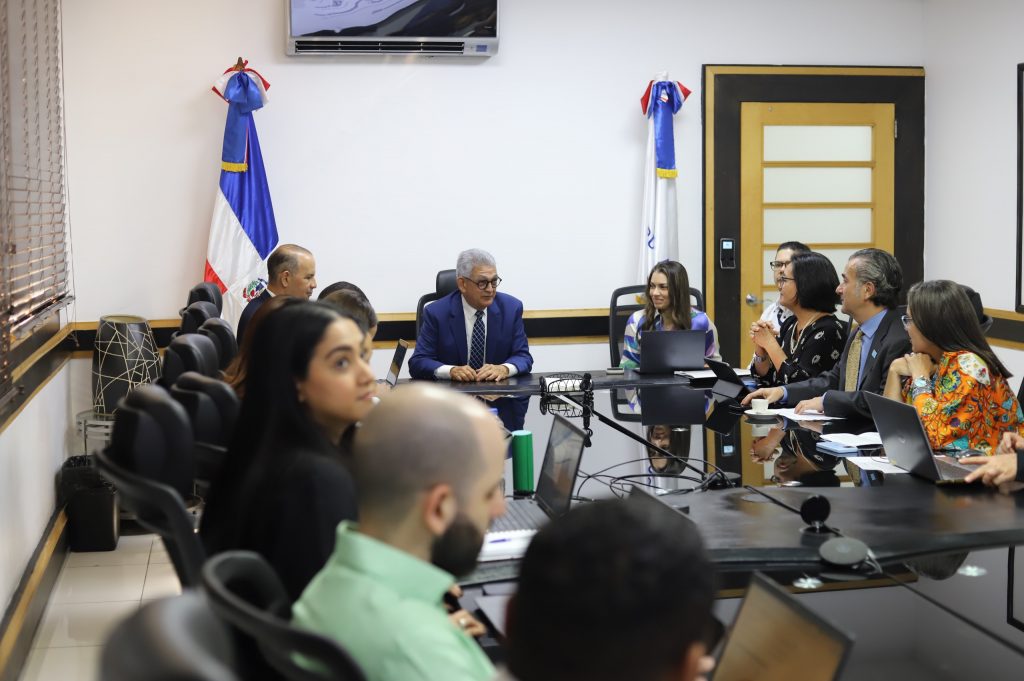
The Dominican government and the United Nations Development Programme will present the Dominican Republic's success story in using a new Artificial Intelligence tool for budgeting at the Annual Sustainable Economy Forum in April 2026 in Chile. The General Directorate of Budget (DIGEPRES), along with the United Nations Development Programme (UNDP) and the Ministry of Finance and Economy, held a meeting to present the project for labeling public spending aligned with the Sustainable Development Goals (SDGs) using artificial intelligence. This initiative seeks to strengthen and contribute to the achievement of the 2030 Agenda for Sustainable Development. During the meeting, they highlighted the Dominican Republic's work and leadership in seeking actions, tools, and implementation to support the fulfillment of this agenda. They also explained that the public spending labeling project uses a technological platform based on artificial intelligence to improve the monitoring and analysis of public spending and government investments. The event was led by the Director General of Budget, José Rijo Presbot, along with a technical team from DIGEPRES, including Iván Ramírez, Deputy Director of Budget; Odilys Hidalgo, Director of Budgetary Services; Rafael Jovine, Director of Economic Studies; Ana Miguelina Terrero, Head of Budgetary Performance Evaluation; Karla Ureña, Head of Planning and Development; Juan Portalatín, Head of Financial Management for Formulation and Execution; María Victoria Ortíz, Head of Standards and Methodologies; Alexander Hilario, Head of Information Technology; and Lowenski Matos, Head of the ICT Systems Development and Implementation Division. Representatives from the Ministry of Finance and Economy and the United Nations System also participated. Rijo Presbot thanked those present for their participation and acknowledged the support that the participating entities have provided to consolidate initiatives aimed at strengthening processes and public management. “This support has allowed us to move forward with implementing actions that promote more efficient and sustainable management,” he noted. Nelson Chávez, Director General of Economic and Social Development at the Ministry of Finance and Economy, representing Martín Franco, Vice Minister of Planning and Public Investment, thanked the UNDP for promoting tools that allow the country to improve sustainable development and institutional frameworks. Chávez added that these efforts are framed within a broader vision of long-term development and planning, aligned with major national objectives and collaborative work. Julia Sánchez, Resident Coordinator of the United Nations System in the Dominican Republic, explained that the process being developed with the government and private institutions seeks to advance the remaining goals related to the 2030 Sustainable Development Goals (SDGs). She also reported that the work developed to date on budgeting and planning using artificial intelligence will be presented by the Dominican Government and UNDP at the Annual Sustainable Economy Forum in April 2026 in Chile. “This is an opportunity to demonstrate how budget planning and execution can contribute to the country’s development,” Sánchez said in her remarks. The UNDP representative added that the collaborative work they are developing with the institutions will have a significant impact in the future. Sánchez also stated that financing is crucial for achieving the 2030 Sustainable Development Goals and that this tool will help in this regard.
Rijo Presbot launches "Budget in the Classrooms" education initiative in Hato Mayor
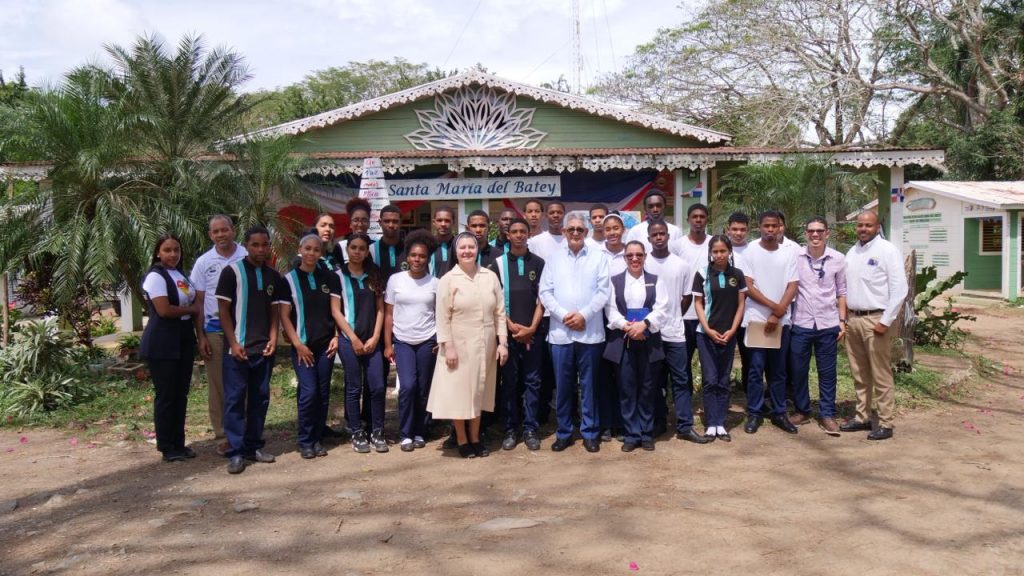
This is a budget education program aimed at high school and university students to promote student participation in the budget cycle, as well as to familiarize them with the tools citizens use to monitor the General State Budget. Mata Palacio, Hato Mayor – The General Directorate of Budget (Digepres) formally launched the “Budget in the Classroom” program with its first activity at the Santa María del Batey School in the Mata Palacio municipal district of Hato Mayor province. “Budget in the Classroom” is part of the institutional strategy aimed at consolidating open, accessible, and educational budget management, aligned with the principles of good governance, the right to know, and social participation. The first installment of “Budget in the Classroom” was led by the Director General of the Budget, José Rijo Presbot, who shared a presentation with students entitled “Understanding and Participating in the Budget.” The presentation focused on explaining the main components of the 2026 General State Budget, with a direct emphasis on its impact on national development and on the province of Hato Mayor. During his presentation, Rijo Presbot stressed the importance of new generations understanding how the General State Budget is formulated, approved, and executed, as well as the role that public institutions play in the efficient management of resources. He also emphasized that budget education is a key tool for strengthening democracy and accountability. The Director of the Budget encouraged the students to prepare themselves and strengthen their knowledge as a foundation for success in life and reminded them, as a native of Hato Mayor, that he himself had left the classrooms of that same province to pursue his university studies. On the other hand, Rafael Jovine, Director of Economic Studies and Financial Monitoring for the Budget Office, addressed topics related to spending, spending rigidities, functional classifications, and the impact of the Budget on the province of Hato Mayor. He also explained in detail each of the budgetary tools that the Budget Office (Digepres) makes available to the public to monitor and participate in the Budget process. Paola Chaljub, Head of Communications, provided details of the “Budget in the Classroom” initiative, which aims to familiarize high school and university students with the workings of the Dominican State, promoting a culture of transparency, citizen participation, and a responsible understanding of the use of public resources. Sister Sandra Milena Vélez, Director of the center; Ana María Sánchez, Technical Coordinator of the polytechnic center; and José Manuel Mesa, a professor, welcomed the Budget Office's technical team and expressed their gratitude for being chosen to launch “Budget in the Classroom.” The Santa María del Batey School has an enrollment of over 400 students from Mata Palacio, Hato Mayor, Morquecho, Elupina Cordero, Yerbabuena, and surrounding areas. The school, which offers education from preschool through high school, is hosting its first graduating class of students trained in Administrative and Tax Management at its polytechnic institute this year. Budget in the Classroom: Greater Youth Participation. The “Budget in the Classroom” program includes talks and training sessions in schools across various provinces of the country, accompanied by audiovisual materials, educational presentations, and digital resources designed to facilitate the understanding of budgetary concepts in a clear and accessible way. With this initiative, the Budget Office reaffirms its commitment to government transparency and civic education, striving for a more informed, critical, and participatory citizenry in budgetary matters.