EN
 ES
Digepres celebrates 200 weeks of Budget Execution Reporting and presents new citizen tools
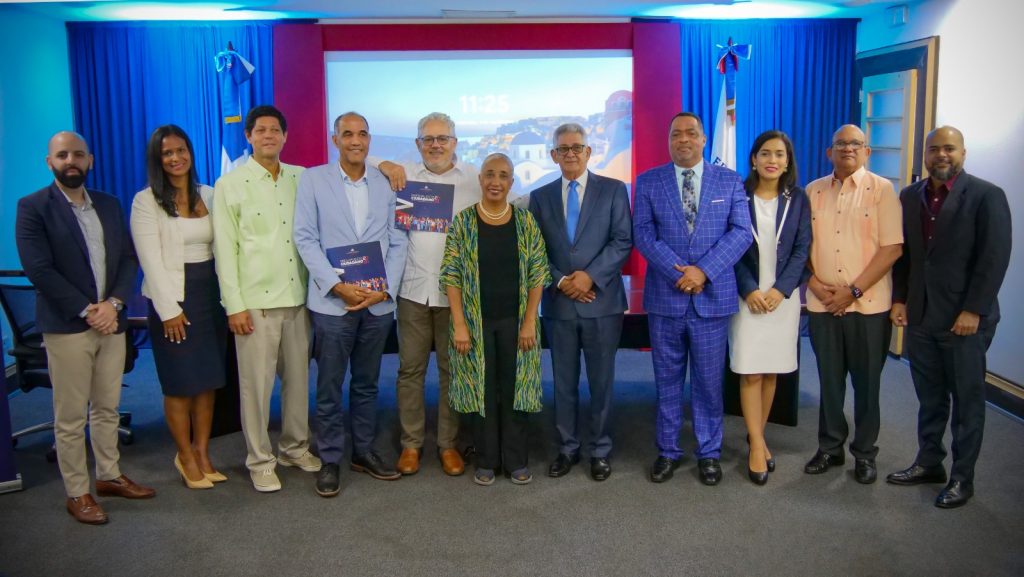
The Citizen Meeting brought together civil society and journalists to learn about the new Budget Simulator and encourage the use of citizen tools available from Digepres as a way to continue promoting transparency and public participation. The General Directorate of Budget (Digepres) held a Citizen Meeting for civil society organizations and journalists to share and celebrate the 200th edition of the Weekly Budget Execution Report, a citizen tool published every Tuesday that contains detailed information on the country's economic and financial activities. The Citizen Meeting, titled "Weekly Report 200: Contributing to the Public's Right to Know," also provided an opportunity to present to the audience, both in person and virtually, the tools that Digepres makes available to the public to increase transparency in the public budget and promote social participation within the budget cycle. The event was led by the Director General of Budget, José Rijo Presbot. Iván Ramírez, Deputy Director of the Budget Office; Manuel Robles, Chief of Staff of the Ministry of Economy, Planning and Development (MEPyD); Berenice Barinas, Executive Director of the General Directorate of Ethics and Governmental Integrity (DIGEIG); Juan Castillo, from the Solidarity Foundation, among other social organizations and journalists, were present. Rijo Presbot, Director of the Budget Office, addressed the attendees, explaining the importance of these meetings for disseminating detailed data and information on the General State Budget. He also presented, as an example, the range of perceptions, criteria, habits, and attitudes that society holds regarding the country's taxation. Rafael Jovine, Director of Economic Studies and Financial Monitoring, welcomed the participants and presented the set of tools shared, which can be accessed on the Budget Office's website and digital platforms. “Law No. 200-04 on Free Access to Public Information establishes the State's duty to provide information to citizens. This, coupled with numerous citizen demands for transparency in the public budget, motivates us in the Government to maintain this ongoing flow and exchange of information, which also enriches our work,” explained Jovine. Katherine Peguero, Coordinator of Economic Analysis and Studies, presented the content and importance of the weekly budget execution report, this time its 200th edition, outlining the analyses and statistics related to the central government's budget planning and execution. Juan Portalatin, Head of the Financial Management Department, and Sorangel González, Head of the Economic Analysis and Studies Department, spoke separately about other tools available to strengthen transparency and actively involve citizens in the decision-making, discussion, and social oversight of the public budget. Representatives from various organizations, including the Juan XXIII Center, the National Union of Press Workers (SNTP), Foro Ciudadano, Ciudad Alternativa, and Budget Directors and technicians, also participated in the event. As part of the citizen toolkit presented at the meeting, Airon Fernández, Economic Studies Specialist at the Budget Office, presented and demonstrated the Budget Simulator, available on the Digepres.gob.do website. The simulator's primary purpose is to serve as a learning and awareness tool, explaining how the budget process works by presenting expenditure scenarios to the public and the potential consequences of different decisions. Participants completed the exercise using the simulator, and the meeting concluded with a question-and-answer session related to the topics presented by the Digepres technicians. The Citizen Meeting on Budgeting fosters direct dialogue between Digepres and the public. This initiative, launched by this administration, seeks to foster citizen participation at every stage of the budget cycle, reaffirming its commitment to the true right to know. The event took place in the Juan Bosch Budget Room.